AI News
02 Dec 2025
Read 9 min
How to Choose the Best AI Music Tools for Film and TV
Best AI music tools for film and TV score faster, streamline edits and deliver bold cinematic impact
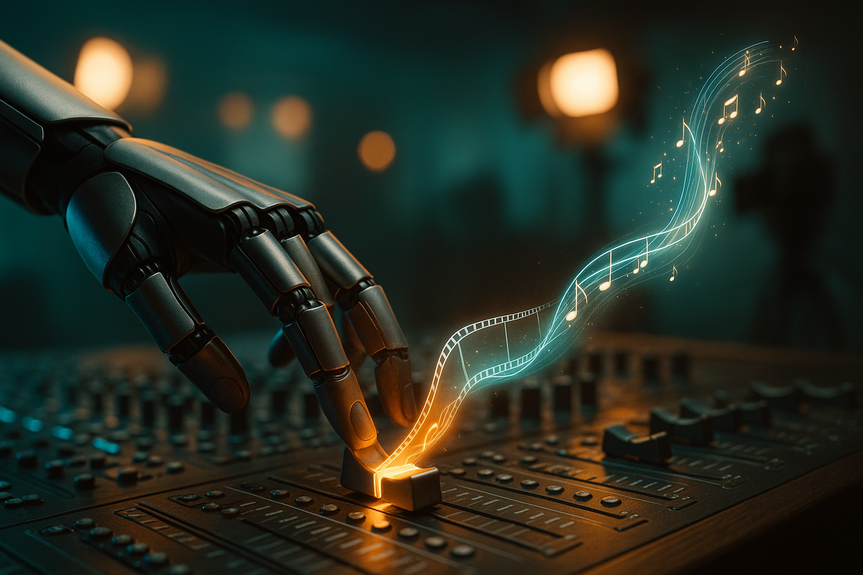
Choosing the best AI music tools for film and TV comes down to quality, control, licensing, and speed. Start with your creative brief, then test tools for sound, stems, and sync. Check training data, rights, and watermarking. Aim for features that fit your DAW and budget without slowing your workflow.
You do not need every feature. You need the right ones that help you write, cut, and clear music fast while staying safe on rights and talent rules.
Story goal: build mood, drive action, or support dialogue
Genre and palette: orchestral, synthwave, trap, ambient, hybrid
Reference tracks: tempo, structure, and energy curve
Duration and edit plan: cutdowns, loops, alt mixes
Ideation: sketch themes and temp tracks for pitches
Production: generate cues to guide pacing on set
Post: final cues, alts, and stems for the locked cut
Structure: can you set intro, build, drop, and endings?
Stems: export drums, bass, leads, vocals, FX as clean stems
Editing: bar-aligned sections that loop and re-sequence cleanly
Mix: loudness presets (e.g., -23/-24 LUFS broadcast, -16 LUFS streaming)
Formats: WAV 48kHz/24-bit, 5.1/7.1, and optional spatial mixes
DAW integration: plugins or drag-and-drop to Pro Tools, Premiere, Resolve, or Logic
Timecode: generate to exact durations and hit points
Batching: create multiple alts, cutdowns, and stems in one pass
Version control: session IDs, notes, and recallable prompts
Training data: clear disclosure; opt-out support; no use of unlicensed catalogs
Usage scope: TV, film, streaming, social, promo, and paid ads
Ownership: who owns the output? Is it royalty-free or buyout?
Cue sheets: export composer/publisher info or “AI-generated” metadata for delivery
Union rules: no unauthorized voice or artist likeness; consent for vocals
Watermarks: embedded IDs to help downstream audits and claims
Shareable links or project hubs for producers, editors, and music supervisors
Comments and approvals tracked per version
Secure workspaces for clients with NDAs
Subscription vs. per-minute or per-cue pricing
Commercial tiers for broadcast vs. internal edits
Charges for extended stems, spatial audio, or high concurrency
Human finishing: mixing, mastering, and re-recording time
Legal review: provenance checks and likeness permissions
Compute and storage: large stem sets and multichannel files
Consent for any voice or artist emulation
Clear training sources and opt-out mechanisms
Style transfer that avoids direct mimicry of living artists
Digital watermarks and content credentials
Audit logs of prompts and outputs for each project
Private or on-prem options for unreleased footage
No ingestion of your media into public training sets
SOC 2/ISO 27001 or similar security posture
Text-to-music and reference-matching (tempo, key, energy)
Editable structure: markers for intro, verse, chorus, bridge, sting
Precise duration controls with musical endings
Stem exports (drums, bass, instruments, vocals, FX, atmos)
Hit point snapping and riser/downer tools
Loudness presets and true-peak limits for broadcast/streaming
Spatial/stereo downmix consistency
Sound-alike safeguards and blocked prompts for restricted styles
Cue sheet generator and metadata embedding (ISRC/ISWC-like IDs)
DAW plugin or timeline extension with bar grid alignment
Create three thematic directions per scene with stems
Share links with the director for fast yes/no decisions
Generate cues to timecode with editable sections
Swap energy levels without losing tempo or key
Deliver broadcast-safe mixes and clean stems
Export cue sheets and archive all versions
Great demos, weak stems: always test stem cleanliness
Locked structures: beware tools that cannot hit exact durations
Unclear rights: skip vendors that dodge training data questions
No watermarking: harder to prove provenance later
Poor collaboration: approvals lost in email threads
When you compare sound quality, editing control, licensing clarity, and workflow fit, your final picks will stand up to notes, deadlines, and legal review. With this approach, you can choose the best AI music tools for film and TV and deliver cues that feel composed for the cut.
(p.s. If you are scoring a series, run a pilot test across two episodes to confirm consistency before full rollout. It saves headaches later.)
Clarify the Job Your Music Must Do
Map the creative brief
Define the use case
How to compare the best AI music tools for film and TV
Judge sound quality and control
Speed and workflow fit
Rights, licensing, and provenance
Collaboration and handoff
Pricing that makes sense under deadline
Understand the cost model
Spot hidden costs
Ethics and compliance you can defend
Respect creators
Traceability
Data security
Feature checklist for studio-ready delivery
Real-world workflows that save hours
Pre-production
Picture edit
Final mix
Building your shortlist
Test before you buy. Use the same scene across three tools and compare sound, control, and delivery. Note which one hits your timings with fewer fixes. The winner will feel invisible in your process. That is how you identify the best AI music tools for film and TV without guesswork.Common pitfalls to avoid
For more news: Click Here
FAQ
Q: What criteria should I use to evaluate AI music tools for film and TV?
A: When choosing the best AI music tools for film and TV, focus on sound quality, control, licensing clarity, and speed. Start with a creative brief and test for sound, stems, and sync while checking training data, rights, and watermarking.
Q: How should I map a creative brief to guide AI-generated music?
A: Map the brief by defining the story goal (build mood, drive action, or support dialogue), genre and palette, reference tracks for tempo, structure, and energy, and the duration and edit plan for cutdowns, loops, and alt mixes. Use that brief to determine whether a tool is for ideation, production, or post.
Q: Which technical audio features should I check before adopting a tool?
A: Confirm the tool supports editable musical structure (intro, build, drop, endings), clean stem exports (drums, bass, leads, vocals, FX), and bar-aligned sections that loop and re-sequence cleanly. Also verify loudness presets (for example -23/-24 LUFS broadcast and -16 LUFS streaming) and delivery formats like WAV 48kHz/24-bit, 5.1/7.1, or spatial mixes.
Q: How can I ensure an AI tool fits my DAW and editing workflow?
A: Look for DAW integration via plugins or drag-and-drop to Pro Tools, Premiere, Resolve, or Logic and timecode generation to hit exact durations and cues. Check for batching to create multiple alts and stems in one pass and version control features such as session IDs, notes, and recallable prompts.
Q: What licensing and provenance checks are essential for AI-generated music?
A: Require clear disclosure of training data, opt-out support, and assurances against use of unlicensed catalogs, and verify the stated usage scope for TV, film, streaming, social, promo, and paid ads. Confirm ownership terms (royalty-free or buyout), the ability to export cue sheets or AI-generated metadata, and safeguards for union rules, consent for vocals, and embedded watermarks for audits.
Q: How should I budget for tool costs and hidden fees under deadline?
A: Compare subscription versus per-minute or per-cue pricing, commercial tiers for broadcast versus internal edits, and potential charges for extended stems, spatial audio, or high concurrency. Also budget for human finishing (mixing, mastering, re-recording), legal review for provenance and likeness permissions, and compute and storage for large stem sets.
Q: What ethical and security safeguards should I require from AI music vendors?
A: Insist on consent for any voice or artist emulation, clear training sources with opt-out mechanisms, and style-transfer safeguards that avoid direct mimicry of living artists. Require traceability such as digital watermarks and audit logs, and data security options like private or on-prem processing with SOC 2/ISO 27001 or similar security posture.
Q: What’s a practical workflow to shortlist and test AI music tools effectively?
A: Test the same scene across three tools and compare sound quality, control, delivery, and how many fixes are needed to hit timings, noting which tool integrates invisibly into your process. If scoring a series, run a pilot across two episodes to confirm consistency before full rollout.
Contents