Crypto
06 Dec 2025
Read 12 min
Malaysia illegal bitcoin mining crackdown explained *
Malaysia illegal bitcoin mining crackdown deploys drones and raids to stop $1.1B in power theft now
Malaysia illegal bitcoin mining crackdown uses drones and ground police to hunt about 14,000 rigs tied to massive power theft. Authorities say illegal miners have taken $1.1 billion in electricity since 2020. The task force scans heat and suspicious loads, then shuts sites to protect a stressed grid, Bloomberg reported.
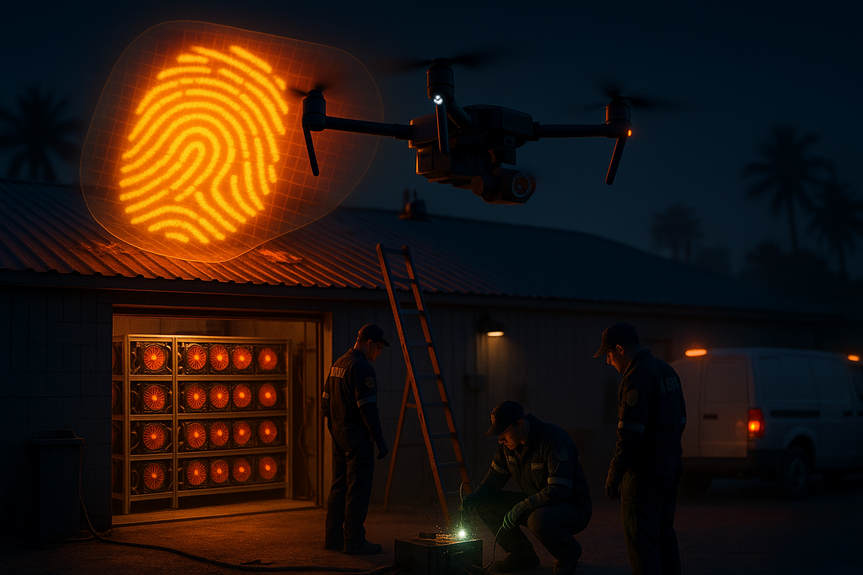
Malaysia’s latest push against illegal bitcoin mining is not just a tech story. It is a power and public safety story. A joint task force now flies drones over rooftops to spot heat from hidden mining farms while police scan neighborhoods for unusual spikes in electricity use. Neighbors complain about loud fans. Officers follow the noise and the data. The goal is simple: cut off theft that hurts the grid and the public.
State utility Tenaga Nasional Berhad (TNB) recently said illegal miners have stolen about $1.1 billion in electricity since 2020. That is a huge hit to the system. It can overload cables, damage substations, and raise costs for honest users. A deputy minister warned that theft is not the only risk. Illegal rigs can “break our facilities” and become a system challenge. The Malaysia illegal bitcoin mining crackdown is the government’s answer to that risk.
What Sparked the Malaysia illegal bitcoin mining crackdown
A wave of power theft
TNB reported more than $1.1 billion in stolen power linked to illegal mining farms since 2020. That level of theft is not a small leak. It is a flood. It makes planning harder. It strains equipment. It pushes repairs and drives up operating costs.
The human and grid cost in plain numbers
That $1.1 billion could have covered basic food for more than 567,000 people in Malaysia for a full year, using an average of about $1,940 spent per person on food in 2023. It could also supply a year of electricity for around 373,000 average households, according to a university estimate. These comparisons make the loss easy to grasp. Stolen power is not “free.” Someone pays—either taxpayers, ratepayers, or both.
Why enforcement intensified
Officials say the problem is now a direct threat to the grid. Illegal setups bypass meters, overload circuits, and operate in unsafe spaces. Fire risk increases. Equipment life drops. As the deputy minister for energy transition warned, the damage can ripple across facilities. That is why the government formed a joint task force and scaled up action.
How the task force hunts illegal miners
Air and ground coordination
The new team uses a two-layer method. Drones scan from above. Officers inspect from below. The approach is targeted and fast.
- Drones search for heat signatures that match mining rigs packed in tight spaces.
- Ground teams use sensors to detect unusual electricity use or illegal connections.
- Officers follow noise complaints from neighbors about constant fan sounds or humming at odd hours.
- Coordinated raids shut down sites, seize rigs, and cut illegal lines to reduce immediate load on the grid.
This system solves a common problem: mining rigs hide in plain sight. They sit in houses, small shops, or warehouses with closed doors and covered windows. From the street, you may see nothing. From the air, heat tells the truth.
Lessons from earlier raids and the scale of the challenge
Past crackdowns set the stage
This is not the first sweep. By May, authorities had reported a 300% rise in electricity theft from 2018 through the end of 2024. Nearly 2,400 illegal mining operations were shut down during that period. Those actions showed two things. First, enforcement works. Second, the problem adapts and grows unless pressure stays on.
Why this campaign is bigger
The current target is close to 14,000 rigs. That is a large number of machines pulling power every minute of the day. Even efficient rigs draw a lot of energy. Thousands together can hit local networks hard. The Malaysia illegal bitcoin mining crackdown aims to remove enough load to protect substations and reduce outages, especially in dense areas.
What illegal mining does to the grid
Power quality and safety
Illegal lines are not built to code. They often skip breakers, proper grounding, and cooling. That raises the chance of fires and equipment failure. It also hurts power quality. Voltage can swing. Lights can flicker. Motors can fail. These effects spread to nearby homes and businesses.
Maintenance and cost
Overloads and heat shorten the life of cables, transformers, and switchgear. Crews then replace parts sooner and more often. That raises maintenance budgets. Honest users end up bearing the cost through rates or taxes. It is another reason the task force is moving fast.
Impact on miners, utilities, and the market
For illegal miners
Shutoffs, seizures, and legal action are real risks. Operators can lose all hardware in a single raid. They can face fines or charges linked to power theft. The days of hiding in a strip mall with a few dozen rigs are fading as detection improves.
For utilities like TNB
Cutting theft improves grid reliability and planning. Load forecasts get more accurate. Budgets get cleaner. Crews can focus on planned upgrades instead of chasing blown transformers. TNB did not respond to a request for comment in the report, but its loss figure shows why it supports action.
For the broader crypto market
Local enforcement may not move bitcoin’s global price by itself. But it can push activity toward legal, metered power and clearer rules. Over time, that can reduce headline risks tied to energy theft. It can also push miners to invest in efficient hardware and better cooling to lower costs legally.
Legal mining vs. illegal: what compliance looks like
Pay for power and follow the rules
Legal operations connect to the grid with approved meters. They pay the set tariffs. They disclose their load to the utility so engineers can plan capacity. They also follow building codes for wiring and ventilation. Those steps protect the site and the neighborhood.
Why transparent power matters
Mining is an energy business. Clear, lawful access to power is the base. When miners follow the rules, the grid can support them. When they do not, the grid fights back. Authorities have shown they will prioritize safety and service for the wider public.
How technology changed enforcement
Drones and thermal imaging
Thermal scans make it hard to hide heat from racks of machines. Even with blocked windows, heat flows up and out. Drones cover large areas fast and flag suspect sites for ground checks.
Data and neighborhood signals
Ground sensors can spot unusual load patterns on shared lines. Complaints about strange noise and 24/7 fan sounds add human signals. Put together, these clues form a clear map for officers to act.
What comes next
Continued pressure and smarter operations
Expect more raids and stricter checks in high-risk zones. Expect illegal operators to try to spread out or move more often. But the task force now has tools to keep pace. The likely end state is a smaller illegal market and a larger share of legal, metered mining.
Opportunities for responsible miners
For firms that want to operate long-term, transparency is a competitive edge. Efficient rigs, proper cooling, and demand planning can lower costs and ease approval. Clear ties to lawful power sources can also help with community trust and investor interest.
The government’s message is clear: protect the grid, stop theft, and reduce risk. The Malaysia illegal bitcoin mining crackdown shows that energy crime will draw a fast, coordinated response. With drones, sensors, and steady raids, authorities aim to cut losses, improve safety, and keep power reliable for everyone.
For more news: Click Here
FAQ
A: The Malaysia illegal bitcoin mining crackdown is a joint task force that uses high-tech drones and police on the ground to find and shut nearly 14,000 illicit bitcoin mining rigs reported to be stealing power. The effort aims to protect the national grid and public safety by removing illegal loads and seizing equipment.
Q: Why did Malaysian authorities intensify enforcement against illegal bitcoin miners?
A: Authorities stepped up action after Tenaga Nasional Berhad (TNB) reported that illegal miners have stolen about $1.1 billion in electricity since 2020, and officials warned thefts can overload circuits and damage infrastructure. The government says the problem now poses a direct threat to the grid and public safety.
Q: How do drones and ground teams detect hidden mining farms?
A: Drones use thermal imaging to spot heat signatures from racks of machines while ground teams deploy sensors to detect unusual electricity use and follow neighbor complaints about constant fan noise. Those combined signals let officers target inspections and raids to shut illegal connections.
Q: How large is the scale of the problem and what did past crackdowns achieve?
A: The latest campaign targets nearly 14,000 rigs, while earlier enforcement through May shut down almost 2,400 illegal mining operations after a roughly 300% rise in electricity theft between 2018 and end-2024. Past raids demonstrated that enforcement can reduce illegal activity, but the issue can grow again without sustained pressure.
Q: What risks do illegal mining operations pose to the power grid and local communities?
A: Illegal setups often bypass meters, overload circuits and skip proper wiring and cooling, which increases fire risk, shortens equipment life and degrades power quality for nearby homes and businesses. These failures raise maintenance costs and shift the financial burden to honest users through higher rates or taxes.
Q: What consequences face operators when sites are discovered during the Malaysia illegal bitcoin mining crackdown?
A: Raids commonly result in sites being shut down, illegal lines cut and mining rigs seized, and operators can face fines or criminal charges linked to power theft. Those enforcement measures are intended to remove dangerous loads quickly and deter further illegal operations.
Q: How can bitcoin mining be done legally in Malaysia?
A: Legal miners connect to the grid with approved meters, pay tariffs, disclose their load to utilities and follow building and electrical codes for wiring and ventilation to protect sites and neighbors. Those steps let utilities plan capacity and reduce risks to the grid.
Q: What are the expected long-term effects of the crackdown on the mining industry and the grid?
A: Continued raids and monitoring are expected to reduce illegal loads, improve grid reliability and push activity toward metered, lawful operations, according to the report. Over time that may lower headline risks tied to energy theft and encourage miners to invest in more efficient, compliant setups.
* The information provided on this website is based solely on my personal experience, research and technical knowledge. This content should not be construed as investment advice or a recommendation. Any investment decision must be made on the basis of your own independent judgement.
Contents