Crypto
23 Dec 2025
Read 10 min
Bitcoin vs XRP: How to Decide Which to Buy *
Bitcoin vs XRP which to buy helps you weigh digital gold security against low-cost global payments.
Trying to decide Bitcoin vs XRP which to buy? Here’s the quick take: Bitcoin is a scarce, macro-driven store-of-value bet with deep liquidity; XRP is a payments-focused token tied to Ripple’s bank rails and stablecoin plans. Your choice depends on risk tolerance, time horizon, and belief in adoption across banks and international payments.
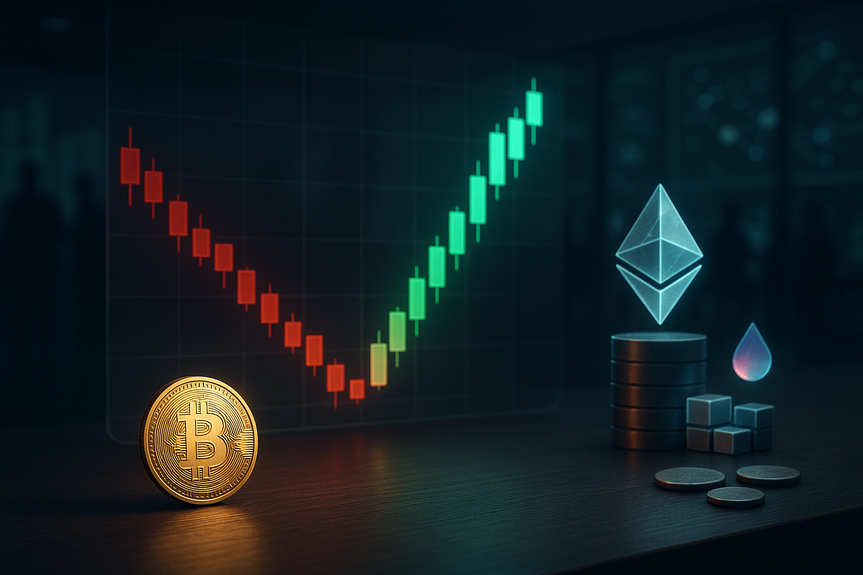
Crypto had a wild run after the 2024 U.S. election, then cooled as macro worries returned. Even with friendlier policy talk and some regulatory wins, prices pulled back. Bitcoin hit a record near $126,000, then slid more than 30% from its October peak and was down about 10% for the year as of Dec. 18. XRP fell more than 21% in the same period. Both still have strong long-term cases—but for different reasons.
Regulation: Friendlier rules can flip with new leadership or court rulings.
Adoption: Bitcoin needs steady institutional demand; XRP needs real bank volumes.
Competition: Other chains, stablecoins, and traditional rails push back.
Correlation: Bitcoin can trade like tech in risk-off markets; XRP can lag if bank deals stall.
Execution: Ripple must convert pilots to production and scale RLUSD usage.
More institutions adding BTC to balance sheets or funds.
Clear, supportive legislation and custodial standards.
Macroeconomic stress that boosts the “store-of-value” bid.
Large banks or payment firms publishing live volume and savings data.
Growth in RLUSD flows that use XRP for bridging.
Regulatory clarity across key markets that reduces onboarding friction.
For Bitcoin: institutional holdings, on-chain activity, correlation with equities, and policy updates.
For XRP: new bank integrations, measurable cross-border volumes, RLUSD usage, and fee savings vs. current rails.
You want the most established crypto with the widest liquidity.
You buy into a long-term scarcity and debasement hedge.
You prefer a simpler thesis with fewer moving parts.
You want targeted exposure to bank-grade payments technology.
You believe on-demand liquidity can unlock big cost savings.
You accept greater execution risk for potentially higher upside if adoption hits.
Bitcoin vs XRP which to buy: the short answer
If you want the more conservative crypto with the best odds of long-term survival, choose Bitcoin. If you want a targeted bet on faster, cheaper cross-border payments and bank adoption, consider XRP. Many investors split the difference with a core Bitcoin position and a smaller XRP allocation.What drives Bitcoin’s value today
Scarcity and the “digital gold” idea
Bitcoin runs on proof-of-work and caps supply at 21 million coins. Supporters see it as “digital gold” that can hold value over time. They view rising U.S. debt, large deficits, and money printing as risks to the dollar’s future buying power. This “debasement trade” is one reason investors buy Bitcoin, much like they buy gold.Volatility is normal, resilience matters
Bitcoin still trades like a risk asset at times and can move with tech stocks. It surged to new highs and then fell hard late in the year. Yet it has bounced back from steep drawdowns many times. That track record is a key part of the bull case. It signals staying power.Policy tailwinds and clearer rules
The policy backdrop has improved, according to crypto advocates. They point to supportive advisors and regulators, talk of a U.S. Strategic Bitcoin Reserve, and Congressional efforts to clarify rules. While regulation is not fully settled, the direction looks friendlier than in past years. For many investors, that reduces headline risk.How XRP aims to win global payments
Speed, cost, and on-demand liquidity
XRP processes up to about 1,500 transactions per second with low fees. Ripple’s technology uses XRP to move money across borders without pre-funding accounts. This “on-demand liquidity” frees capital for banks and payment firms. It can lower costs and speed up settlement.Ripple’s stack and RLUSD
Ripple is building more than payments rails. It offers custody, a multi-asset prime brokerage, and a stablecoin called RLUSD. The mix lets institutions move between fiat and crypto smoothly. The goal is simple: make cross-border payments and treasury flows fast, flexible, and cheap.A legal cloud lifts, but competition is intense
A longstanding SEC case against Ripple and its co-founders has been dropped under new leadership, per reports. That removes a major barrier. Still, the payments space is crowded. XRP competes with stablecoins, other blockchains, and mature bank networks that already serve giant volumes. Winning meaningful market share is the key test.Price action, risk, and timelines
Recent performance snapshot
– Bitcoin: Touched a record near $126,000, then pulled back over 30% from the October high; down around 10% year to date as of Dec. 18. – XRP: Down more than 21% in the same period. Short-term moves are noisy. What matters is whether each asset’s core use case gains traction over the next three to five years.Key risks to weigh
Catalysts that could move the needle
Bitcoin catalysts
XRP catalysts
Portfolio ideas if you are undecided
Core-satellite approach
Use Bitcoin as the core. Add XRP as a satellite bet on payments. A simple starting mix is 70% BTC and 30% XRP for a risk-tolerant investor; conservative buyers might choose 85% BTC and 15% XRP. Adjust over time as data on adoption and regulation improves.Dollar-cost averaging
Time the market? It’s hard. Many investors buy small amounts on a schedule. This spreads risk and reduces stress. You can DCA into both assets, then rebalance to your target mix once or twice a year.What to track each quarter
Who might favor each asset
Bitcoin may fit you if:
XRP may fit you if:
Valuation frames to keep in mind
Bitcoin vs. gold gap
Bitcoin’s market cap remains far below gold’s. If the “digital gold” story gains more acceptance, there could be room to run as allocation sizes increase. This is the main valuation lens many long-term holders use.XRP’s utility curve
XRP’s potential is tied to real payment flows. If more banks use XRP as a bridge asset and RLUSD as a settlement tool, demand for liquidity could climb. Watch for proof: case studies with numbers, public KPIs, and expanding corridors. Final thoughts: When you ask Bitcoin vs XRP which to buy, start with your goals and time horizon. Bitcoin offers a durable, liquidity-rich anchor for a crypto portfolio. XRP offers a focused bet on faster cross-border payments and bank adoption. Many investors hold both, size positions to risk, and let results—not headlines—guide future changes.(Source: https://www.nasdaq.com/articles/better-crypto-buy-bitcoin-vs-xrp-1)
For more news: Click Here
FAQ
Q: What are the main differences between Bitcoin and XRP?
A: Bitcoin is positioned as a scarce, proof-of-work, 21-million-cap “digital gold” store-of-value with deep liquidity, while XRP is payments-focused and tied to Ripple’s bank rails and stablecoin plans. XRP emphasizes faster, lower-cost cross-border settlements with features like on-demand liquidity and RLUSD.
Q: What drives Bitcoin’s value today?
A: Bitcoin’s value is driven by scarcity and the “digital gold” thesis tied to a 21 million coin cap and concerns about dollar debasement. It also behaves like a risk asset with notable volatility but has shown resilience after steep drawdowns and benefits from friendlier policy and regulatory tailwinds.
Q: How does XRP aim to win in global payments?
A: XRP processes roughly 1,500 transactions per second with low fees and supports Ripple’s on-demand liquidity model that moves money across borders without pre-funding accounts. Ripple is building custody, a multi-asset prime brokerage, and the RLUSD stablecoin to help institutions convert between fiat and crypto and lower costs.
Q: What were Bitcoin and XRP’s recent price performances?
A: Bitcoin touched a record near $126,000 and then slid more than 30% from its October high, leaving it down about 10% for the year as of Dec. 18. XRP fell more than 21% over the same period.
Q: What key risks should investors consider when comparing Bitcoin and XRP?
A: Key risks include regulatory uncertainty that can shift with new leadership or court rulings, adoption challenges for both assets, and competition from other blockchains, stablecoins, and traditional payment rails. Additionally, Bitcoin’s correlation with equities in risk-off markets and XRP’s execution risk in scaling pilots to production are important to weigh.
Q: Bitcoin vs XRP which to buy: how should I decide based on my goals?
A: Decide by your risk tolerance, time horizon, and belief in bank adoption; Bitcoin suits investors seeking a durable, liquidity-rich store-of-value while XRP is a targeted bet on faster, cheaper cross-border payments and bank integration. A common approach is a core-satellite mix such as 70% BTC/30% XRP for risk-tolerant buyers or 85% BTC/15% XRP for conservative buyers.
Q: What catalysts could move the needle for Bitcoin and for XRP?
A: Bitcoin catalysts include more institutions adding BTC to balance sheets or funds, clearer supportive legislation and custodial standards, and macroeconomic stress that boosts the store-of-value bid. XRP catalysts include large banks publishing live volume and savings data, growth in RLUSD flows that use XRP as a bridge, and regulatory clarity that reduces onboarding friction.
Q: If I’m undecided, what practical entry and monitoring strategies should I use?
A: Dollar-cost averaging into both assets and rebalancing to a target mix once or twice a year spreads timing risk and reduces stress. Track quarterly metrics such as institutional holdings, on-chain activity, and policy updates for Bitcoin, and bank integrations, measurable cross-border volumes, and RLUSD usage for XRP.
* The information provided on this website is based solely on my personal experience, research and technical knowledge. This content should not be construed as investment advice or a recommendation. Any investment decision must be made on the basis of your own independent judgement.
Contents