Crypto
28 Dec 2025
Read 12 min
should I buy bitcoin in 2026 Discover 3 smart rules *
should I buy bitcoin in 2026, use a plan to add small, risk-aware exposure and limit downside risk.
If you’re asking “should I buy bitcoin in 2026,” focus on what changed: ETFs, slower supply growth, and maturing price swings. Pair that with strict risk rules. Use small allocations, steady buying, and clear exit plans. Watch ETF flows, adoption, and miner health. This blend keeps upside while guarding your downside.
Bitcoin is not playing by its old rules. In past cycles, prices often surged after halvings. Today, the big drivers are exchange-traded funds, corporate treasuries, and even some governments. Supply growth is below 1% per year, and price swings are smaller than in early years. If your question is “should I buy bitcoin in 2026,” start by seeing how these new forces shift demand and risk. You do not need a perfect forecast. You need a clear playbook.
Should I buy bitcoin in 2026? 3 smart rules
Rule 1: Follow the new demand drivers, not the old four-year cycle
For years, investors watched the four-year halving like a clock. That clock still matters, but it no longer runs the show. Analysts at major firms say the market structure changed in 2024–2025. Here is what to watch instead:- ETF demand: Spot Bitcoin ETFs now hold a meaningful share of all coins. Flows from retirement accounts and advisors can support price in dull markets and accelerate rallies in strong ones.
- Balance sheets: Companies and some institutions keep adding coins or ETF shares. This “sticky capital” buys with multi-year timelines, not short-term charts.
- Supply math: Annual issuance is below 1%. Future halvings cut less, so the shock to supply is smaller. Price now leans more on demand growth than on supply drops.
- Volatility compression: Drawdowns have been milder than in early cycles. That is good for risk, but it may also cap the size of fast, face-melting rallies.
Rule 2: Respect risk. Size positions and add on weakness
Bitcoin is maturing, but it still moves more than stocks and gold. In stress events, it can fall harder and faster. The safest way to approach the “should I buy bitcoin in 2026” decision is to control what you can control: your process. Use these simple moves:- Set a max allocation: Many disciplined investors cap crypto at 5% to 10% of their portfolio. Pick a number that lets you sleep at night.
- Dollar-cost average (DCA): Buy a fixed amount on a set schedule. This beats trying to time peaks and dips.
- Rebalance: If Bitcoin rises and passes your target weight, trim back to the target. If it falls, top up back to target as long as your thesis stands.
- Keep cash and bonds: Hold an emergency fund and a cushion outside crypto. This stops panic selling when volatility hits.
- Write your rules: Put your buy, add, and trim rules on one page. Follow them, especially when feelings run hot.
Rule 3: Watch the network and miner incentives
Price needs both demand and a healthy network. In 2025, user growth looked mixed, and ownership seemed more concentrated among large holders. Miners also faced a new world: lower block rewards and rising energy demand from artificial intelligence work. Track these signals:- On-chain activity: More active addresses, steady transaction fees, and rising small-holder balances point to healthy, organic use.
- Miner health: Watch hash rate, miner revenue, and selling pressure. If miners must sell more coins to pay bills, that adds supply to the market.
- Fee market: As block rewards shrink, fees matter more. A stable fee market helps secure the network and supports long-term miner incentives.
- Diversion to AI: If miners shift large resources to AI computing, Bitcoin’s security or sell pressure could change. Balance is key.
The bull case for 2026
Institutional doors are open
Spot ETFs made Bitcoin simple to own. Advisors, family offices, and corporate treasurers can now add exposure using normal brokerage systems. Reports suggest ETFs already hold a notable slice of all coins, and that share can grow as more platforms approve recommendations and model portfolios.Patient capital is building
Well-known companies, including large miners and some public firms like MicroStrategy and Tesla, hold meaningful Bitcoin positions or strategies tied to it. Sovereign adoption remains small, but even small shifts matter when long-term holders do not sell into every rally.Macro hedge potential
Investors still look for hedges against rising debt, policy shocks, or currency stress. Gold drew strong interest recently and outpaced stocks for long stretches. If Bitcoin captures even a small slice of that “safe haven” pie, it can move the needle on price. The key is access, trust, and time in the market—ETFs help all three.The bear case you must price in
Safe-haven status is unproven
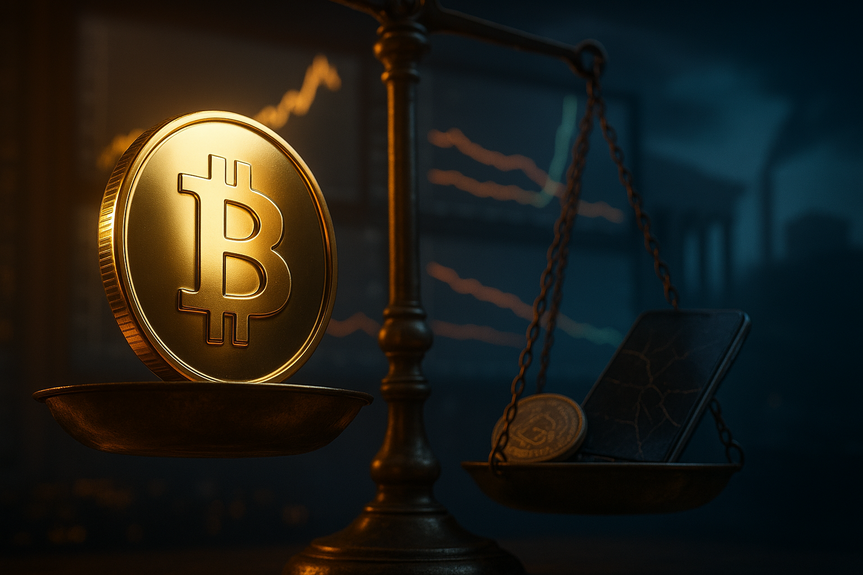
In big, scary sell-offs, Bitcoin has often fallen more than stocks and gold. That can change over time, but the record is mixed. If your plan assumes Bitcoin will hold up in every storm, you may be disappointed.Adoption is uneven and ownership is concentrated
User growth did not surge in 2025. More coins sit with ETFs and large holders. This supports price, but it weakens the original vision of peer-to-peer money. If network use stays flat, the long-term value case slows.Policy and market structure risks
New rules for ETFs, banks, or stablecoins could shift flows. Miner economics could force more selling in weak markets. If fees do not rise as block rewards shrink, the incentive structure could face pressure.How to act today if you’re asking “should I buy bitcoin in 2026?”
Build a simple, durable plan
You do not need to guess next month’s price. You do need a repeatable process that turns your view into action.- Pick your vehicle: Choose a reputable spot ETF or a well-rated exchange. Keep fees and custody risk in mind.
- Set your target weight: 1%–5% for conservative investors; up to 10% for higher risk tolerance.
- Automate DCA: Weekly or monthly buys remove timing stress.
- Schedule rebalancing: Quarterly or semiannual rebalancing keeps risk in line.
- Define add-on rules: Add when price is down 20%–30% from recent highs if your thesis is intact.
- Write an exit plan: If a key rule breaks (for example, a major policy change or network stress), cut exposure and reassess.
- Track key signals: ETF flows, advisor access, on-chain usage, miner selling, and macro conditions.
Connect thesis to signals
Tie each part of your thesis to one metric. For example:- Institutional demand: Positive net ETF inflows across several weeks.
- Network strength: Rising active addresses and consistent fee revenue.
- Risk control: Portfolio crypto weight at or under your target after each rebalance.
Bottom line
The market that drove past Bitcoin booms is not the same market you face now. ETFs, corporate treasuries, and slower supply growth guide the path in 2026. Use a simple plan: follow new demand drivers, size your risk, and watch network health. So, should I buy bitcoin in 2026? Yes—if you use small, steady buys, strict allocations, and clear rules. That way you keep the upside case alive while you protect your downside.(Source: https://www.fool.com/investing/2025/12/25/is-bitcoin-a-buy-sell-or-hold-in-2026/)
For more news: Click Here
FAQ
Q: What major market changes should I know about when asking should I buy bitcoin in 2026?
A: The market structure shifted in 2024–2025 as spot ETFs, corporate treasuries, and some governments became meaningful buyers while annual supply growth fell below 1%. Volatility has compressed compared with earlier cycles, so price swings are smaller even as institutional “sticky” capital supports the market.
Q: Which indicators should I watch before deciding to buy Bitcoin in 2026?
A: Monitor ETF net inflows and advisor access, on-chain signals like active addresses and fee revenue, and miner metrics such as hash rate, miner revenue, and selling pressure. These indicators help you judge whether demand is strengthening or whether network or sell-pressure risks are rising.
Q: How much of my portfolio does the article suggest allocating to Bitcoin in 2026?
A: The article suggests conservative target weights of about 1%–5% and allows up to roughly 10% for investors with higher risk tolerance. The author notes a personal allocation near 5% and emphasizes that disciplined caps help manage volatility and sleep at night.
Q: What buying and risk-management rules are recommended for 2026?
A: Use a clear process: set a maximum allocation, dollar-cost average regular buys, rebalance when Bitcoin exceeds your target weight, and keep an emergency fund outside crypto. The article also suggests adding on weakness—such as 20%–30% drops—only if your long-term thesis remains intact.
Q: Is Bitcoin a reliable hedge or safe-haven according to the article?
A: The article describes Bitcoin’s safe-haven status as unproven and notes it has often fallen more than stocks and gold in big sell-offs. For example, during the 2022 inflation episode the S&P 500 fell about 25%, gold roughly 20%, while Bitcoin dropped about 77%, which supports caution.
Q: How do miner incentives and the rise of AI computing affect the Bitcoin investment case in 2026?
A: Shrinking block rewards make miner revenue and a healthy fee market more important for network security and long-term incentives. If miners divert large resources to AI computing or must sell more coins to cover costs, that can increase supply and warrant more cautious buying.
Q: What are the main bull and bear cases for Bitcoin in 2026?
A: The bull case centers on easier access via spot ETFs, growing institutional and corporate positions, and potential macro-hedge demand if Bitcoin captures some safe-haven interest. The bear case includes concentrated ownership, uneven user growth, miner-economics pressures, and policy or market-structure changes that could reduce flows or increase selling.
Q: If I’m asking should I buy bitcoin in 2026, what practical checklist should I follow today?
A: Pick a vehicle such as a reputable spot ETF or trusted exchange, set a target weight and automated DCA schedule, and document add-on and exit rules tied to signals like ETF flows, on-chain usage, and miner health. Automate rebalancing and keep cash and bonds as a cushion so your process, not headlines, governs buys and sells.
* The information provided on this website is based solely on my personal experience, research and technical knowledge. This content should not be construed as investment advice or a recommendation. Any investment decision must be made on the basis of your own independent judgement.
Contents