Crypto
10 Jan 2026
Read 14 min
Quantum threat to Bitcoin private keys How to protect coins *
Quantum threat to Bitcoin private keys urges owners to migrate exposed wallets now to prevent theft
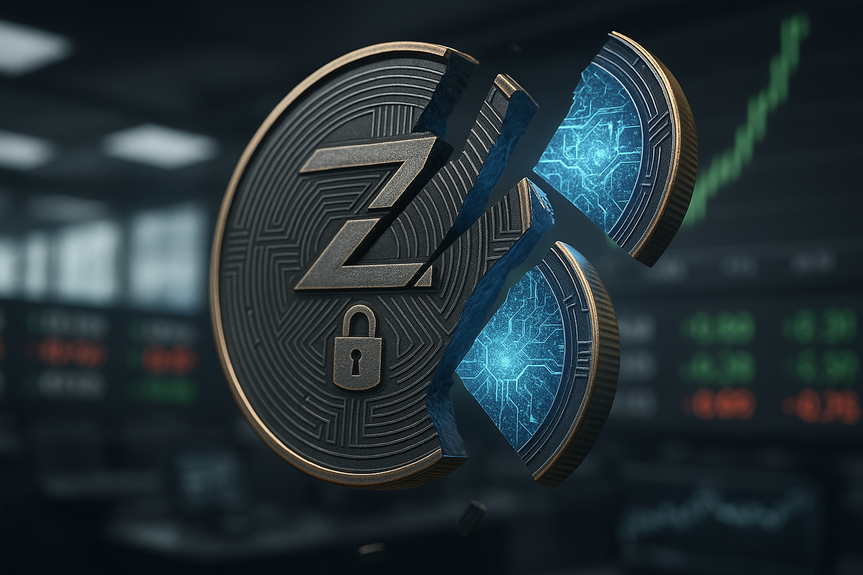
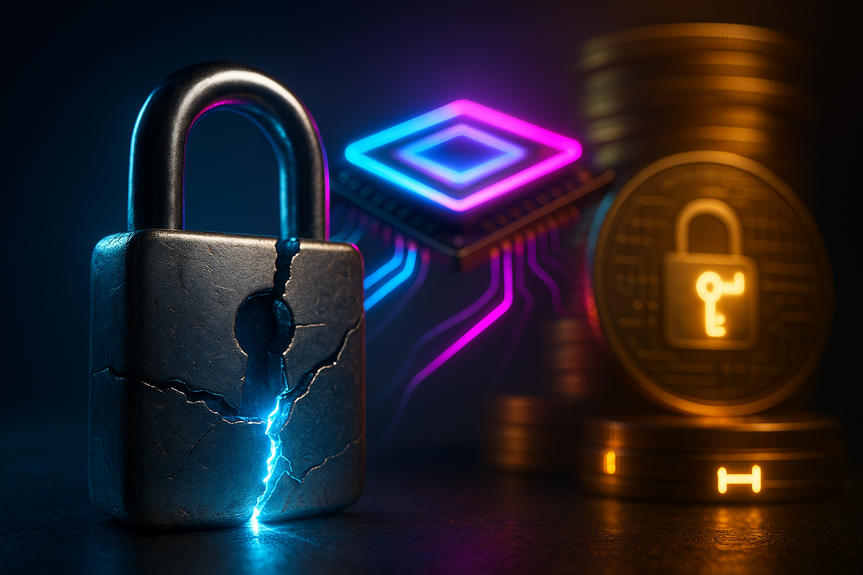
A new warning highlights the quantum threat to Bitcoin private keys: as quantum computers advance, exposed public keys could let attackers derive private keys and steal coins. One-third of supply may be vulnerable over time. Here’s what the risk means and how to protect your holdings today.
On January 6, Coinbase’s head of global investment research, David Duong, said Bitcoin faces a long-term security risk from fast progress in quantum computing. He noted the market still underestimates this threat, even as major institutions list it in their risk disclosures. He also said that about one-third of all coins could be in danger in the future because their public keys are already visible on-chain. While this risk is not an emergency today, it is no longer just theory. It needs planning, clear steps, and steady action.
Enable “new address for each receive” in your wallet settings.
Avoid posting deposit addresses on websites or profiles.
For tips and donations, rotate addresses often.
Consolidate small, old outputs into fresh addresses you own.
Separate long-term savings from spending money into different addresses.
Plan to minimize future on-chain exposures by batching spends.
Upgrade to wallets that support SegWit or Taproot for lower fees.
Keep firmware and software updated to receive future security features.
Use multisig for large balances to reduce normal theft risks.
Consider time-locked “vault” flows so you have time to respond if something looks wrong.
Spread holdings across multiple wallets and devices to avoid a single point of failure.
Look for public roadmaps and test programs for post-quantum cryptography (PQC).
Favor vendors who publish audits and share migration guides.
Track NIST PQC standards like CRYSTALS-Dilithium, Falcon, and SPHINCS+.
Developers add a new, quantum-safe signature scheme as an option.
Wallets release updates that support sending to and from the new scheme.
Exchanges and custodians enable withdrawals and deposits using the new type.
The community sets a clear timetable to move funds, with months or years of overlap.
Tools help users scan for exposed UTXOs and guide them to move coins.
During this window, fees and capacity will matter. Moving a large part of the supply takes time and space on-chain. Planning early, batching transactions, and staggering moves can keep costs down and reduce network stress.
Why the quantum threat to Bitcoin private keys matters
Bitcoin uses digital signatures to prove a spender owns a coin. When you make a transaction, your wallet signs it with your private key. The network checks the signature against your public key. Today, this system is safe because current computers cannot find a private key from a public key in any useful time. Quantum computers change that. A large, error-corrected quantum computer could run an algorithm that makes it far easier to derive private keys from public keys. If that happens, any coin with an exposed public key could be stolen by an attacker who signs a fake spend first. This is why the quantum threat to Bitcoin private keys is about signature security, not mining or hash power. Not every coin’s public key is visible. Many addresses show only a hash of a public key until you spend from them. But the moment you spend, the transaction reveals your public key. Early coins, some old script types, and any address that has been reused have more exposure. Researchers estimate that about one-third of all coins have public keys exposed already, which makes them prime targets once a powerful quantum computer exists.Who is most at risk right now
Early coins and old script types
In Bitcoin’s early days, some outputs used a format that put the public key directly on-chain even before spending. Those coins are at higher risk in a future quantum world. Many of these coins are believed to be dormant, but the exposure is real.Addresses that have been spent from
Any address that has sent a transaction reveals its public key. If those coins get sent again in the future, a fast quantum attacker could try to front-run the spend by signing a move from the same public key. This risk grows as more keys appear on-chain over time.Address reuse
If you reuse an address, you expose the same public key again and again. This gives attackers more data and more chances to strike later. Address reuse was more common in the past but still happens today.Custodians and ETFs
Large pools of coins in custodians and ETFs make attractive targets. These firms often disclose quantum computing as a risk in filings. They will likely lead any large-scale migration once secure alternatives exist, but they must prepare tools and timelines in advance.How real is the timeline?
Some researchers warn that threats could arrive in four to five years. Others argue it will take longer. For a true private-key break, a quantum computer would need many millions of stable, error-corrected qubits and long run times. We are not there yet. Most experts think we have years of runway, not months. Still, planning now is smart. There is a “harvest now, crack later” strategy in data security, where attackers store encrypted data today and break it once quantum tools mature. In Bitcoin, the version of this idea is simpler: bad actors can map every exposed public key on-chain now and be ready to strike when the hardware exists. The map is public. The only question is when the computers will be ready.Practical steps to reduce exposure today
You do not need to panic. You do need a plan. These steps can reduce risk and make a future upgrade easier.Use fresh addresses and stop reuse
Every time you receive coins, use a new address. Modern wallets make this easy. This keeps your public keys hidden until you spend and limits the attack surface.Sweep exposed coins to new UTXOs
If you hold coins that have already revealed a public key, consider moving them to a fresh address you control. This does not make the coins quantum-proof, but it removes the public key from the open record until you spend again.Use modern wallet standards
SegWit and Taproot help with efficiency and fees. They are not a quantum fix by themselves, because your public key still appears when you spend. But they make it cheaper to move funds when an upgrade arrives.Multisig and time locks
Standard multisig does not stop a large quantum attack on public keys, because an attacker could target each key in the set. Still, multisig and time locks improve everyday security and can help coordinate a safe migration later.Choose a wallet and custodian with a PQC plan
Ask your wallet maker or custodian how they plan to support post-quantum signatures once the network adds them.A likely migration path when PQC arrives
When the time is right, Bitcoin can add new signature types that resist quantum attacks. This will likely happen through a network upgrade that adds new script paths while keeping old ones working for a while.What that could look like
What developers and institutions should do now
Developers can begin testing quantum-safe signature schemes on testnets and sidechains. They can design clear rules, smooth user flows, and safe fallback paths. They can publish scanners that flag exposed coins and show risk levels so users can act with facts, not fear. Institutions should map their holdings, classify exposure, and rehearse a migration. They should build internal tools that can sweep coins quickly, sign with new schemes, and prove control to auditors. They should educate clients, publish timelines, and coordinate with exchanges to avoid congestion. Regulated products, like ETFs, need board-approved plans. Disclosures already mention the risk. Plans should include trigger thresholds, migration dates, and vendor requirements. Communication will be key to prevent panic and to keep markets orderly.Preparing for the quantum threat to Bitcoin private keys
This challenge is serious, but it is manageable. The key is simple: reduce exposure now, watch the science, and be ready to move when secure tools are live. The chain is public. The math is known. The timeline is the only mystery, and we have time to prepare if we use it well. In the end, Bitcoin’s security rests on users and builders who adapt. Good hygiene today cuts your risk tomorrow. Fresh addresses, reduced reuse, updated wallets, and clear operator plans all help. When a post-quantum upgrade is available, a steady, well-planned migration can protect the coins at risk. Stay calm, stay informed, and keep your options open as we face the quantum threat to Bitcoin private keys together.(Source: KuCoin News)
For more news: Click Here
FAQ
Q: What is the quantum threat to Bitcoin private keys?
A: The quantum threat to Bitcoin private keys is that a sufficiently powerful, error-corrected quantum computer could run algorithms to derive private keys from exposed public keys, allowing attackers to sign transactions and steal coins. This threat targets Bitcoin’s digital signature security rather than mining or hash power.
Q: How much of the Bitcoin supply may be vulnerable to this risk?
A: David Duong of Coinbase warned that approximately one-third of the Bitcoin supply has public keys already exposed on-chain and is structurally at risk of future quantum brute-force attacks. Those coins could become prime targets once a sufficiently powerful quantum computer exists.
Q: Why do exposed public keys create a particular danger for Bitcoin users?
A: When you spend from an address your public key is revealed on-chain, and a large quantum computer could potentially derive the corresponding private key and sign a fraudulent transaction before you. That is why the quantum threat to Bitcoin private keys focuses on digital signatures rather than mining performance.
Q: Which types of addresses or coins are most at risk right now?
A: Early coins using old script types, addresses that have already been spent from, and any reused addresses are most at risk because their public keys are visible on-chain. Large custodial pools and ETF holdings are also attractive targets, and some institutions have explicitly listed quantum computing as a risk in filings.
Q: How soon could quantum computers realistically threaten Bitcoin private keys?
A: Estimates vary; some researchers warn the threat could arrive in four to five years while others expect it will take longer. A true private-key break would require many millions of stable, error-corrected qubits and long run times, so most experts view it as years away rather than an immediate emergency.
Q: What practical steps can individual holders take today to reduce exposure?
A: Use fresh addresses and avoid address reuse so public keys remain hidden until you spend, enable “new address for each receive” in your wallet, and avoid posting deposit addresses publicly. Sweep coins whose public keys are exposed to fresh UTXOs, consolidate old outputs, and separate long-term savings from spending addresses, as these steps reduce exposure to the quantum threat to Bitcoin private keys and make future migration easier.
Q: How should custodians and institutions prepare for this risk?
A: Institutions should map holdings, classify exposure, rehearse migrations, build internal tools that can sweep coins quickly and sign with new schemes, and publish timelines and board-approved plans for regulated products. Clear communication with clients and coordination with exchanges will help avoid panic and manage on-chain congestion during a mass migration.
Q: What would a likely migration path to post-quantum signatures look like?
A: Developers would add a new quantum-safe signature scheme via a network upgrade while keeping old script paths functional for a transition period, wallets and exchanges would add support, and tools would help users scan for exposed UTXOs and guide moves. Batching, staggered migration and clear timetables would be used to reduce fees and network stress, and the goal would be to mitigate the quantum threat to Bitcoin private keys during the transition.
* The information provided on this website is based solely on my personal experience, research and technical knowledge. This content should not be construed as investment advice or a recommendation. Any investment decision must be made on the basis of your own independent judgement.
Contents