AI News
31 Jan 2026
Read 8 min
Real-time AI Iran strike probability guide to spotting risk
real-time AI Iran strike probability gives you a live, data-driven alert to spot rising strike risk
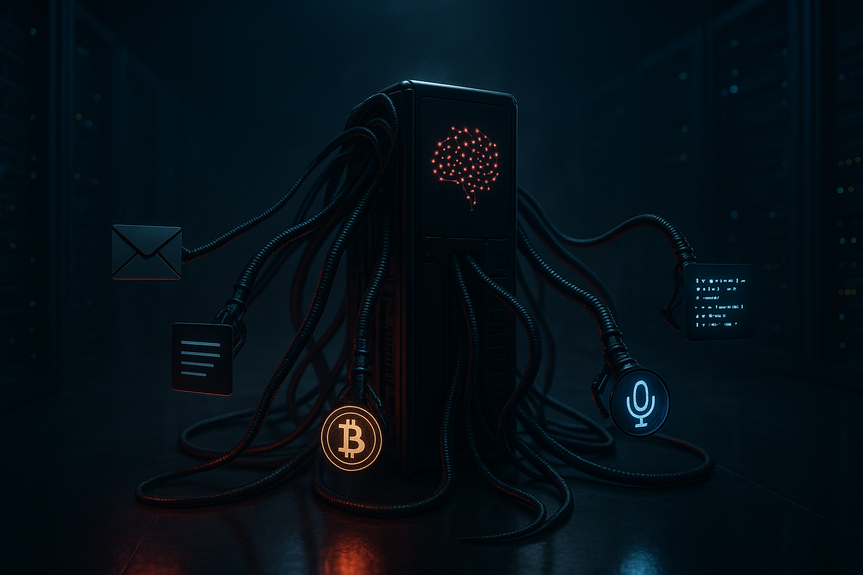
StrikeRadar turns headlines into a number you can track. It uses data feeds and machine learning to show the real-time AI Iran strike probability on a live dashboard. You see signals like tanker flights, weather, and alerts. It helps people gauge tension fast, without expert jargon.
As Middle East tensions surge, a new public tool points to a clear trend: strategic insight is no longer locked inside military briefings. StrikeRadar, built by product manager Yonatan Back with help from an AI model, pulls live signals from open sources and maps them to a simple score you can watch in minutes, not days.
Critical news alerts tied to U.S. and Iran activity
Flight cancellations inside Iran and nearby hubs
Weather windows that affect air operations
Movements of U.S. aerial refueling planes
The system also uses “reference data.” It compares today’s signals to patterns before past U.S. actions, including reported events in mid-2025. If a known pre-strike pattern appears, the weight on that signal goes up. This helps the number reflect not just noise, but history.
By turning daily signals into a real-time AI Iran strike probability score, the dashboard gives a fast read on tactical tension without analysis walls or paywalled jargon.
Refueling aircraft activity: Unusual tanker routes in the Gulf often matter more than single fighter flights.
Coordinated flight disruptions: Sudden, broad cancellations in Iran can hint at expected instability.
Weather windows: Clear night skies can raise operational feasibility; storms can push it down.
Official and credible media alerts: Multiple, independent reports carry more weight than lone posts.
Pattern matches: When several signals line up with past pre-action timelines, risk tends to rise.
These elements rarely stand alone. The point is convergence. One noisy headline is weak. Several aligned signals can move the needle together.
Speed: The tool updates faster than long analyst reports.
Breadth: It watches many inputs at once and applies weights.
Transparency: You can see the score move and link it to visible signals.
But limits matter:
Last-minute decisions: Leaders can act or pause with no public hint.
Data gaps: Open-source feeds can be late, noisy, or spoofed.
Model drift: Weights that worked last year may fail next time.
Use the number as a guide, not a verdict. Pair it with verified news and basic media literacy. Be careful with social posts that lack sources. Remember that a single meeting or misread signal can swing outcomes more than any model.
A new public risk radar
Built with accessible AI
Back says he had no coding background. He asked a large language model to plan, code, and launch the site. The system came together in about six hours. That speed shows how current AI lowers the barrier for building tools once limited to governments and big firms.How real-time AI Iran strike probability is calculated
Data signals and weights
StrikeRadar blends multiple feeds and assigns weight to each one. It then updates a probability number in real time. Key inputs include:AI vs. the crowd and Wall Street tools
Prediction markets
Polymarket lets users bet on event dates. Prices turn into a crowd probability. This method can react fast to mood shifts. But money and emotion can sway the market. StrikeRadar aims to stay grounded in data and historical patterns, not sentiment.Institutional risk models
Firms like GeoQuant sell country risk scores to investors. These platforms are closed, data-heavy, and built for professional clients. StrikeRadar takes a different path: open inputs, a simple output, and a public dashboard anyone can read.What signals should you watch on the dashboard?
Strengths, limits, and ethics
Why this shift matters
Accessible tools like StrikeRadar let people run a personal watch center. Journalists can use it to frame stories. Businesses can review it during risk checks. Families can glance at it the way they check weather. When used with care, a real-time AI Iran strike probability score can reduce panic by adding structure to fast-moving events.The bottom line
StrikeRadar shows how open data and AI can turn chaos into a readable risk score. It will not predict every move, and it should not replace human judgment. But as a live barometer, the real-time AI Iran strike probability can help anyone see pressure building or easing and make calmer, smarter choices.(Source: https://www.ynetnews.com/tech-and-digital/article/sy2jwullbl)
For more news: Click Here
FAQ
Q: What is StrikeRadar and what does it show?
A: StrikeRadar is an interactive dashboard that turns live data signals into a single risk score indicating the likelihood of a U.S. strike on Iran. The platform displays a real-time AI Iran strike probability that updates as news, flight, weather and military signal inputs change.
Q: How does StrikeRadar calculate its probability score?
A: It pulls multiple open-source feeds—critical news alerts, flight cancellations, weather data and U.S. refueling plane movements—assigns weights to each signal and updates continually. Those weighted inputs and historical “reference data” are translated into the real-time AI Iran strike probability shown on the live dashboard.
Q: Who built StrikeRadar and how quickly was it launched?
A: StrikeRadar was built by Yonatan Back, a tech product manager who said he had no coding background and used the Claude large language model to plan and write the code. Back reported that the model designed the architecture and helped him launch the site in about six hours.
Q: Which signals on the dashboard most affect the score?
A: The signals that carry the most weight include unusual aerial refueling routes, coordinated flight cancellations in Iran, favorable weather windows for operations, multiple independent media alerts, and pattern matches to past pre-action timelines. When several of these align, the real-time AI Iran strike probability tends to rise and provide a clearer read on tactical tension.
Q: How does StrikeRadar differ from prediction markets like Polymarket and institutional tools like GeoQuant?
A: Unlike Polymarket, which reflects crowd bets and can be influenced by emotion and financial stakes, StrikeRadar aims to stay grounded in raw data and weighted signals; institutional tools like GeoQuant are closed, complex and built for professional clients. That public, data-driven approach is how the dashboard produces a transparent real-time AI Iran strike probability rather than a market price or proprietary risk score.
Q: What are the main strengths and limitations of using StrikeRadar?
A: Its strengths are speed, breadth and transparency: it watches many inputs at once, updates faster than long analyst reports and links score movements to visible signals. Its limits include last-minute political decisions that leave no public trace, open-source data gaps or spoofing, and potential model drift, so the real-time AI Iran strike probability should be used as guidance rather than a definitive forecast.
Q: How should I interpret the probability number shown on StrikeRadar?
A: Treat the probability as a fast, structured indicator of tactical tension that helps you gauge whether pressure is building or easing, and always cross-check with verified news and sources. The real-time AI Iran strike probability is a support tool and not a substitute for human judgment or official intelligence.
Q: Who can use StrikeRadar and how might it be helpful?
A: The public-facing dashboard is designed for journalists, businesses doing risk checks and families who want a quick sense of regional tension by turning multiple signals into one readable score. Used carefully alongside verified reporting, the real-time AI Iran strike probability can help people make calmer, more informed choices during fast-moving events.
Contents