Crypto
31 Jan 2026
Read 12 min
El Salvador gold and bitcoin reserves 2026 What to know *
El Salvador gold and bitcoin reserves 2026 offer clear hedge and better balance for national assets.
El Salvador gold and bitcoin reserves 2026 climbed after the central bank bought $50 million in gold and the government kept adding one bitcoin per day. The purchase lifted gold holdings to 67,403 ounces, while on-chain data shows 7,547 BTC in the national stack. Here’s what changed, why it matters, and what to watch next.
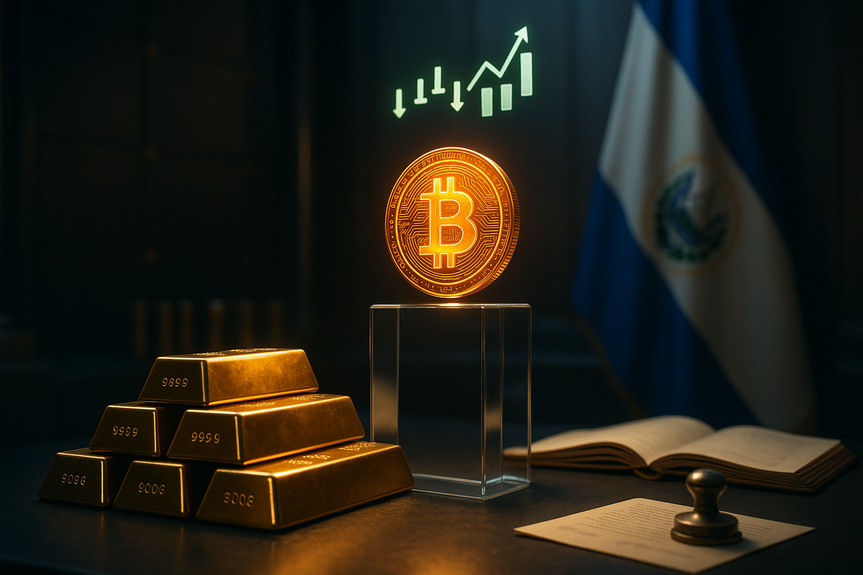
El Salvador made another bold move in its reserve strategy. The central bank said it bought 9,298 troy ounces of gold worth $50 million, adding to a growing store of hard assets. President Nayib Bukele also highlighted the nation’s daily bitcoin purchases, which continue to grow the country’s crypto position. Together, these steps shape El Salvador gold and bitcoin reserves 2026 and underscore a dual-asset plan: one old, one new, both meant to strengthen national savings.
New purchase: 9,298 troy ounces of gold, valued at $50 million.
Total gold holdings: 67,403 ounces, valued at roughly $360 million at current prices, according to the bank’s update.
Scale: 9,298 ounces is about 289 kilograms; the total of 67,403 ounces is roughly 2.1 metric tons.
This is a meaningful add for a small country. Gold is easy to verify, stores value well, and can be sold in deep global markets. It also helps balance the volatility of bitcoin in the national portfolio.
Gold offers history and low tech risk. It is a centuries-old hedge against currency weakness and political shocks.
Bitcoin offers portability and a finite supply. It moves fast across borders and operates without central control.
Together, they diversify timing and technology risks. When one asset struggles, the other may hold or rise.
This mix can improve the reserve’s risk-reward profile. The goal is not to guess one winner. The goal is to build a reserve that holds up under many futures.
Diversification: Holding both assets reduces exposure to any single market shock.
Sovereignty: Assets held outside the traditional banking system can reduce dependency on foreign institutions.
Brand and growth: Bitcoin adoption can drive tourism, investment interest, and tech activity.
Option value: If bitcoin appreciates over time, the reserve gains a growth engine that gold alone does not provide.
Volatility: Bitcoin can swing in price. Mark-to-market losses may raise public and political pressure in down cycles.
Liquidity timing: Selling bitcoin in a sharp downturn may lock in losses. Planning and buffers are vital.
Operational needs: Safe custody, on-chain transparency, and audit practices must stay strong.
Communication: Clear updates help citizens and markets understand the strategy and its timelines.
Units held: ounces of gold and number of BTC.
Share of reserves: the mix between traditional and digital assets.
Access and security: how the country stores assets and proves ownership.
For bitcoin, on-chain data (like Arkham’s labels) helps the public see flows. For gold, official central bank reports and international data sets show holdings and changes.
Start with a clear rule. A steady bitcoin purchase plan reduces timing risk and guesswork.
Keep a stabilizer. Gold can serve as the anchor that supports confidence through swings.
Report simply. Regular, plain-language updates build trust at home and abroad.
Invest in operations. Secure custody, audits, and public dashboards make the model stronger.
Not every nation will copy this strategy. But the combined approach adds a data point to the debate on future reserves.
Price trends: How do gold and bitcoin move over the next 6–12 months? Are they offsetting each other when markets stress?
Policy updates: Does the government keep the daily bitcoin buy? Does the central bank add more gold?
Transparency: Will authorities publish more frequent or detailed reports on wallet addresses, custody, and audits?
Macroeconomic effects: Do borrowing costs, investment interest, or tourism shift as the reserve mix evolves?
Global reactions: Do other countries adjust their reserve policies in response?
These signals will help shape the long-term view of El Salvador gold and bitcoin reserves 2026 and the broader case for mixed hard-asset reserves.
In the end, the country is building a two-pillar reserve: gold for stability, bitcoin for growth. The latest purchase adds weight to both sides of the plan. If the strategy holds and reporting stays clear, the world will have a live example of how a small nation can blend tradition and technology. That is why El Salvador gold and bitcoin reserves 2026 deserve close attention.
(Source: https://www.coindesk.com/policy/2026/01/29/el-salvador-s-central-bank-buys-usd50-million-of-gold-as-government-keeps-adding-bitcoin)
For more news: Click Here
Why El Salvador gold and bitcoin reserves 2026 matter
El Salvador is balancing security and growth. Gold offers long-term stability and global acceptance. Bitcoin offers upside and a tech-forward brand for the country. By adding both, leaders send a clear message: the reserve mix should not rely on a single asset or a single system. For investors, the latest changes to El Salvador gold and bitcoin reserves 2026 show a diversified path in a time of high global uncertainty. For citizens, the policy aims to protect national wealth while keeping the door open to innovation and tourism that bitcoin adoption can attract. For other small economies, it offers a model to study, refine, or challenge.What exactly changed this week
The gold purchase
The central bank reported the following:The bitcoin add
On-chain analytics firm Arkham shows the government added one bitcoin on the day of the announcement, in line with President Bukele’s ongoing pledge to buy one BTC per day. Arkham’s data now shows 7,547 BTC under El Salvador’s control. At recent prices, that stash is worth hundreds of millions of dollars. The daily-buy plan keeps the country steadily exposed to bitcoin’s long-term trend while smoothing timing risk.Why mix gold and bitcoin?
Different strengths, shared goal
Gold and bitcoin serve the same purpose—store value—yet they work in different ways:Correlation and liquidity
Bitcoin and gold do not always move together. In risk-off moments, gold often rises as investors seek safety. Bitcoin can act like a risk asset in the short run, but it has also shown strength after liquidity shocks. Both markets are deep and global, though gold’s market remains larger and more stable. Keeping both widens the set of options if the country needs to raise cash.The policy context and signal
El Salvador adopted bitcoin as legal tender in 2021. Since then, the government has promoted digital payments, tourism, and a pro-bitcoin brand. The ongoing gold buy shows the administration is not all-in on one asset. Instead, it is building a barbell: traditional gold on one side, digital bitcoin on the other. This dual move also speaks to a larger global trend. Many countries are exploring reserve diversification as the world faces rising debt, shifting interest rates, and changing trade flows. Some look to gold. A few study digital assets. El Salvador acts in both spaces at once, and that makes El Salvador gold and bitcoin reserves 2026 a notable case study.Benefits and risks for a small economy
Potential benefits
Key risks
How to read the numbers
Reserve values change with market prices. Gold and bitcoin both move daily. That means headline figures in dollars will vary, even if the unit counts (ounces and BTC) stay the same. The most useful way to track progress is to follow:What other countries might take from this
Emerging markets watch one another when they test new reserve ideas. Lessons from El Salvador include:What to watch next
FAQ
Q: What happened to El Salvador’s reserves in the latest update?
A: The central bank bought $50 million worth of gold, adding 9,298 troy ounces and bringing total gold holdings to 67,403 ounces valued at roughly $360 million. On-chain data from Arkham also showed the government added one bitcoin that day, leaving the national stack at 7,547 BTC worth about $635 million at the then bitcoin price just above $84,000.
Q: Why does the mix of gold and bitcoin matter for El Salvador?
A: Gold offers long-term stability and global acceptance while bitcoin provides portability and upside, and together they diversify timing and technology risks. This dual approach is central to El Salvador gold and bitcoin reserves 2026 as a way to balance security and growth without relying on a single asset.
Q: How much gold does El Salvador now hold and what was the size of the recent purchase?
A: The country holds 67,403 ounces of gold, roughly 2.1 metric tons, valued at approximately $360 million at current prices. The recent purchase added 9,298 troy ounces — about 289 kilograms — for $50 million.
Q: How many bitcoins does El Salvador hold and what is its buying strategy?
A: Arkham’s on-chain analytics show El Salvador holds 7,547 BTC, and the government has been following a pledge to buy one bitcoin per day. Arkham recorded one bitcoin added on the day of the gold announcement, consistent with that steady-buy plan.
Q: What are the main risks of El Salvador’s dual-asset reserve strategy?
A: Key risks for El Salvador gold and bitcoin reserves 2026 include bitcoin’s price volatility, the timing and liquidity risk of selling in downturns, and operational challenges like custody, transparency, and audits. Those risks mean planners emphasize secure custody, communication, and buffers to avoid forced sales or political pressure.
Q: How do on-chain data and central bank reports improve transparency about reserves?
A: On-chain analytics like Arkham let observers track bitcoin flows and wallet balances, while central bank statements report ounces of gold and valuation changes. Together these sources allow public monitoring of units held and the dollar valuation of El Salvador gold and bitcoin reserves 2026.
Q: What lessons might other countries draw from El Salvador’s reserve experiment?
A: The article suggests other nations can learn from rule-based buying (such as a steady bitcoin purchase), keeping a stabilizer like gold, making simple public reports, and investing in secure operations. It also notes not every country will copy the approach, but it offers a live case study to study and debate.
Q: What should observers watch next in this reserve strategy?
A: Key signals include price trends for gold and bitcoin over the next 6–12 months, whether the government maintains the daily bitcoin buy and whether the central bank makes further gold purchases. Observers should also watch transparency improvements on wallet addresses, custody and audits, and possible macro effects on borrowing costs, tourism and global reactions to El Salvador gold and bitcoin reserves 2026.
* The information provided on this website is based solely on my personal experience, research and technical knowledge. This content should not be construed as investment advice or a recommendation. Any investment decision must be made on the basis of your own independent judgement.
Contents