Crypto
09 Feb 2026
Read 12 min
Bithumb accidental bitcoin distribution: How to secure assets *
Bithumb accidental bitcoin distribution reveals exchange flaws, learn steps to protect crypto assets
After South Korea exchange Bithumb mistakenly sent 620,000 BTC to 695 users, recovering 99.7% within minutes, prices whipsawed. The Bithumb accidental bitcoin distribution highlights platform risk and user exposure. Here is a clear plan to protect your crypto before, during, and after exchange errors, plus steps if you receive funds by mistake.
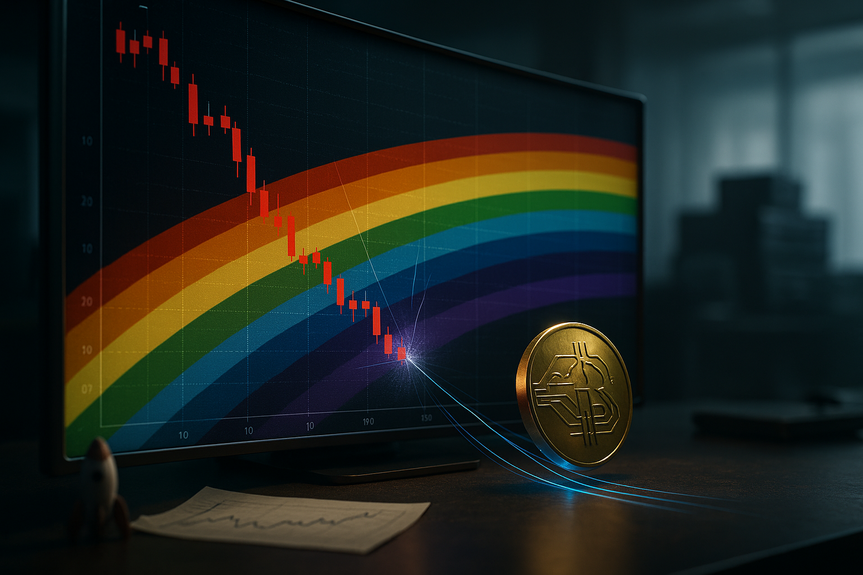
A planned giveaway of small cash rewards went wrong and credited some users with giant bitcoin amounts. Bithumb froze trading and withdrawals for affected accounts and later said most coins were recovered. Regulators said they will review exchanges’ controls and may inspect sites on the ground. Bitcoin prices on the platform fell fast, then bounced back. Events like this can hit any trader, even if the fault is not yours. You can lower your risk with simple habits and smart custody choices.
What happened and why it matters
The chain of events
– The exchange meant to pay a small cash bonus to users in a promo. – A system error sent at least 2,000 BTC to each winner instead. – Bithumb locked trading and withdrawals for 695 users within about half an hour. – The exchange said there was no outside hack and recovered almost all the coins. – Local prices on the site dropped sharply during the chaos, then recovered.Why this affects everyday users
– Exchange errors can move prices fast and trigger stop orders. – Withdrawals can be frozen even if you did nothing wrong. – Your account may be flagged while a platform runs checks. – You may face legal risk if you try to use funds sent by mistake.Lessons from the Bithumb accidental bitcoin distribution
This incident shows a simple truth: exchanges carry operational risk. Even if an error is fixed, the hours around it can harm customers. Spreads widen, bots misfire, and support lines clog. A calm plan and good security setup give you the best chance to ride out the storm.Protect your coins on and off exchanges
Harden your account security today
– Use strong, unique passwords. Store them in a trusted password manager. – Enable hardware-based 2FA (security key) or at least an authenticator app. Avoid SMS codes. – Set up a passphrase or PIN for account changes and withdrawals. – Turn on login alerts for new devices, IPs, and locations.Tighten withdrawal controls
– Use an address allowlist. Only pre-approved addresses can receive withdrawals. – Add a time delay (e.g., 24–48 hours) for new withdrawal addresses. – Require 2FA confirmation for every withdrawal and address change. – If the exchange offers it, lock withdrawals during promotions or high-volatility windows.Choose safer custody for long-term holdings
– Keep trading balances small. Move long-term coins to cold storage. – Use a quality hardware wallet. Back up your seed phrase on paper or a metal plate. – Consider multisig for larger amounts, so no single device or person can move funds. – Run a test transaction for every new address before sending larger sums.Vet every exchange you use
– Look for third-party audits and proof-of-reserves plus proof-of-liabilities, not just one side. – Read recent incident reports and transparency updates. – Check if the platform runs chaos tests and has kill switches for faulty promos and payouts. – Confirm clear terms on error corrections, freezes, and clawbacks.Trade with risk controls that respect sudden shocks
– Prefer limit orders over market orders when books look thin. – Set conservative stop-limits, not market stops, to avoid slippage in a spike. – Use OCO (one-cancels-the-other) orders if available to bracket risk and take profit. – Avoid trading right after big system notices or during maintenance windows. – Consider alerts for off-peg prices vs. global indexes so you see local dislocations early.Diversify platform risk
– Use more than one exchange or broker. Spread active balances. – Keep a backup fiat on-ramp and off-ramp ready. – For larger operations, split custody among a cold wallet, a multisig service, and a prime broker.What to do if you get an erroneous credit
Stay calm and do not touch the funds
– Do not trade, withdraw, or move the unexpected assets. Most exchanges can reverse internal ledger errors and may freeze your account if you act. – Taking or hiding funds sent in error can lead to legal trouble, even criminal charges.Document everything and contact support
– Take screenshots of balances, notifications, and timestamps. – Open a support ticket in-app. Use only official channels listed on the website. – Keep your replies short and factual. Do not share private keys or seed phrases.Expect temporary limits
– The platform may limit trading or withdrawals while it investigates. – Do not try to bypass controls with a new account. That can make things worse.Watch for scams during the noise
– Fraudsters target users during incidents. Ignore DMs that claim they can “unlock” your funds. – Check status pages and verified social accounts for updates. – Verify email domains. Support does not ask for your seed phrase or full 2FA backup codes.Think about taxes and records
– An erroneous credit that is later reversed should not create income, but records matter. – Keep logs in case your tax agency asks about balance spikes.How exchanges and regulators should respond
Exchanges: build safer rails
– Add dual-approval for promotions and payouts, including limits per user and per day. – Separate test and production systems. Run dry-runs with fake funds before going live. – Enforce circuit breakers that pause abnormal mass transfers or price gaps. – Log all changes with clear on-call escalation and instant rollback tools. – Publish plain-language postmortems with timelines, fixes, and customer remedies. – Offer status dashboards with incident histories and uptime metrics.Regulators: focus on controls and outcomes
– Inspect internal control design and real-world drills, not paperwork alone. – Encourage standardized proofs of reserves and liabilities with periodic verification. – Require clear user terms for error correction and fund freezes. – Promote incident reporting that helps users compare platform safety.Spotting red flags before the next incident
Early warning signs you should not ignore
– Sudden price gaps from global indexes on a single platform – Repeated “temporary” withdrawal delays or broad KYC rechecks without notice – Confusing or fast-changing promo terms tied to account credits – Poor status updates during outages and slow support queues – Unusual login prompts or new permissions in the app after an updateBuild your personal checklist
– Keep a small hot balance for trading; everything else goes to cold storage. – Review your allowlist and 2FA every quarter. – Practice a test withdrawal from each exchange monthly. – Save emergency contacts and status page links in a note you can reach if you are locked out.Putting it all together
The Bithumb accidental bitcoin distribution is a blunt reminder that even large platforms can make big mistakes. You cannot control their code, but you can control your setup: strong account security, strict withdrawal rules, smart custody, and calm, rules-based trading. If surprise funds land in your account, do nothing, report it, and record the details. Safety in crypto is a set of layers. Add enough layers, and you can trade with confidence—even when the next headline hits.For more news: Click Here
FAQ
Q: What happened in the Bithumb accidental bitcoin distribution incident?
A: South Korean exchange Bithumb accidentally credited customers with a huge amount of bitcoin during a promotional payout, a mistake the firm said was unrelated to hacking or external breaches. The exchange restricted trading and withdrawals for the 695 affected accounts within about 35 minutes and said it recovered 99.7% of the 620,000 bitcoins, roughly $44 billion at current prices.
Q: How did the Bithumb accidental bitcoin distribution impact bitcoin prices and users on the platform?
A: Bitcoin prices on Bithumb briefly slumped about 17% to 81.1 million won during the incident and later recovered to around 104.5 million won. Affected users experienced frozen withdrawals and trading restrictions while the exchange investigated and recovered most of the coins.
Q: If I receive unexpected bitcoins from an exchange error, what immediate steps should I take?
A: Do not trade, withdraw, or move the unexpected funds and avoid sharing private keys or seed phrases. Document balances and timestamps with screenshots, contact the exchange only through official support channels, and expect the platform to investigate and possibly impose temporary limits.
Q: What account and withdrawal settings can reduce my exposure to errors like the Bithumb accidental bitcoin distribution?
A: Use strong, unique passwords stored in a trusted password manager, enable hardware-based 2FA or an authenticator app, and set a passphrase or PIN for account changes and withdrawals. Also use an address allowlist, require 2FA confirmation for every withdrawal, and add time delays for new withdrawal addresses.
Q: How should I custody long-term crypto holdings to avoid exchange operational risk?
A: Keep trading balances small and move long-term coins to cold storage using a quality hardware wallet with an offline seed backup. For larger holdings, consider multisig arrangements and run a small test transaction before sending significant amounts to a new address.
Q: What trading practices help limit losses during sudden exchange errors?
A: Prefer limit orders over market orders when books look thin, use conservative stop-limit orders rather than market stops, and consider OCO orders to bracket risk. Avoid trading right after major system notices or during maintenance windows and set alerts for local prices that diverge from global indexes.
Q: What should exchanges and regulators do to prevent or respond to incidents like the Bithumb accidental bitcoin distribution?
A: Exchanges should implement dual-approval for promotions, separate test and production systems, enforce circuit breakers for abnormal transfers, and publish plain-language postmortems and status dashboards. Regulators should inspect internal control design and drills, require standardized proofs of reserves and liabilities, and mandate clear user terms for error correction and fund freezes.
Q: What early warning signs indicate an exchange may have operational or security problems?
A: Watch for sudden local price gaps versus global indexes, repeated temporary withdrawal delays or broad KYC rechecks, and confusing or fast-changing promotional credit terms. Poor status updates during outages, slow support response, and unusual login prompts or new app permissions are additional red flags to act on.
* The information provided on this website is based solely on my personal experience, research and technical knowledge. This content should not be construed as investment advice or a recommendation. Any investment decision must be made on the basis of your own independent judgement.
Contents