AI News
12 Feb 2026
Read 8 min
How Mistral AI Sweden data center investment boosts Europe
Mistral AI Sweden data center investment accelerates European AI capacity and secures local compute.
Mistral will spend 1.2 billion euros to build AI infrastructure in Sweden. The Mistral AI Sweden data center investment aims to add big compute power, local data storage, and efficient energy use. It targets a 2027 opening with EcoDataCenter and will help Europe build its own AI cloud for industry, government, and research.
France’s Mistral is moving from only making AI models to building the hardware and services that run them. Backed by investors like ASML, Nvidia, and Microsoft, the company plans to deploy large-scale GPUs, APIs, and managed platforms in Sweden. This push comes as Europe seeks stable, local AI capacity and less reliance on U.S. providers.
AI data centers designed for high-density GPU clusters
Advanced compute capacity for training and serving next-generation models
Local data storage and processing to meet European standards
Integrated services via Mistral Compute: GPUs, APIs, and managed platform tools
With the Mistral AI Sweden data center investment, Mistral Compute can offer customers a simpler path: provision compute, connect to APIs, deploy apps, and scale within Europe.
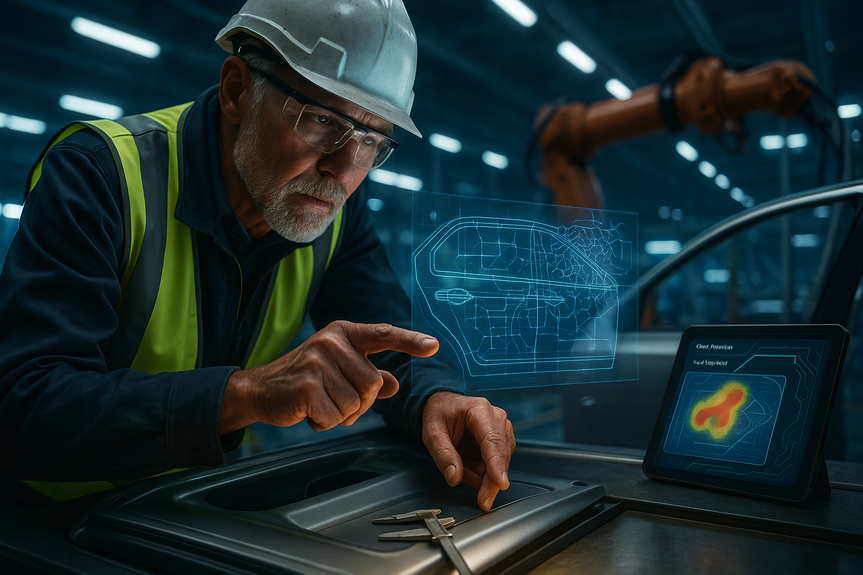
Manufacturing: faster design cycles, predictive maintenance, and digital twins
Healthcare: privacy-preserving analytics and clinical AI with onshore data
Public sector: secure, compliant AI services for citizen support and operations
Research: shared compute for universities and labs to test frontier models
Startups: access to GPUs and APIs without moving data outside the EU
GPU supply: delivery timelines and allocation could affect rollout
Energy and grid: capacity and pricing stability remain critical
Permitting: local approvals and build schedules must stay on track
Costs: balancing capital spend with competitive cloud pricing
Compliance: aligning with the EU AI Act and data protection laws
Clear milestones, transparent energy sourcing, and open performance metrics will show whether the project delivers on speed, cost, and sustainability.
Why the Mistral AI Sweden data center investment matters
Europe needs more compute to train and run modern AI. Demand is rising fast, and supply is tight. This project adds capacity inside the EU, which helps with data rules, security, and uptime. It also shows that a European AI champion can build not only models but also the stack behind them.Europe’s race for compute and sovereignty
– AI models require thousands of powerful GPUs and reliable energy. – Local data processing supports privacy and compliance with EU laws. – A European AI cloud can lower latency for users and keep sensitive data onshore. The Mistral AI Sweden data center investment signals a shift from buying compute abroad to building it at home. This move supports long-term independence for public services and key industries.What the 1.2 billion euros will build
Why Sweden and the Nordics
– Cooler climate lowers cooling costs and boosts energy efficiency. – Strong access to low-cost, low-carbon electricity. – Stable grid and mature data center ecosystem. These factors reduce operating costs and carbon impact while keeping performance high.Partners and funding firepower
Mistral will partner with Sweden’s EcoDataCenter to deploy large-scale compute. The company’s earlier 1.7 billion euro raise included 1.3 billion euros from ASML, a leader in chip tools. Other backers include Nvidia, Microsoft, DST Global, Andreessen Horowitz, Bpifrance, General Catalyst, and Index Ventures. This mix of deep-tech and cloud leaders improves access to GPUs, networks, and know-how.Timeline: 2027 launch and next-gen models
The facility is set to open in 2027. It will support training and serving of Mistral’s next-generation AI models, which will need more compute and faster interconnects. Building now helps Mistral align supply with future demand.Competitive landscape: Europe vs. U.S. giants
OpenAI plans a major European footprint too, with a Norway data center tied to its “Stargate” efforts. U.S. firms are raising record sums, with OpenAI targeting up to $100 billion and Anthropic securing a $10 billion term sheet. While Mistral’s total funding is smaller, its focus on EU infrastructure and data locality offers a clear alternative for European customers.Who benefits in Europe
Risks and what to watch
Bottom line
The Mistral AI Sweden data center investment is a major step toward a European AI cloud that is fast, secure, and local. If the 2027 launch stays on schedule and the platform scales well, Europe gains capacity, resilience, and choice—key wins in a world where compute is power.(Source: https://www.cnbc.com/2026/02/11/mistral-ai-infrastructure-sweden.html)
For more news: Click Here
FAQ
Q: What is the Mistral AI Sweden data center investment?
A: The Mistral AI Sweden data center investment is a 1.2 billion euro plan by French startup Mistral to build digital infrastructure in Sweden, including AI data centers, advanced compute capacity and local data storage. The project is being developed with EcoDataCenter and is scheduled to open in 2027 to support the training and serving of next-generation AI models.
Q: Why did Mistral choose Sweden for its data center investment?
A: Mistral chose Sweden because the Nordic region offers cooler climates that reduce cooling costs, access to low-cost, low-carbon electricity, a stable grid, and a mature data center ecosystem. These factors improve energy efficiency, lower operating costs, and reduce carbon impact for high-density GPU facilities.
Q: Who is partnering with Mistral on the Sweden facility?
A: Mistral is partnering with Sweden’s EcoDataCenter to deploy large-scale AI compute, marking the company’s first infrastructure investment outside its home market. The company also counts backers such as ASML, Nvidia, and Microsoft among its investors, which the article says improves access to GPUs, networks and technical know-how.
Q: What will the 1.2 billion euros fund build and offer?
A: The investment will build AI data centers designed for high-density GPU clusters, advanced compute capacity for training and serving models, and local data storage and processing to meet European standards. It will also offer integrated services through Mistral Compute, including GPUs, APIs and managed platform-as-a-service.
Q: How does this investment affect Europe’s AI sovereignty and cloud options?
A: By adding compute capacity inside the EU and enabling locally processed and stored data, the project supports compliance with EU data rules, security, and uptime while reducing reliance on U.S. providers. The company says the move lays the foundation for a European AI cloud that can serve industry, public institutions, and researchers at scale.
Q: When is the Sweden facility expected to open and what will it support?
A: The facility is scheduled to open in 2027 and will support the development and operation of Mistral’s next-generation AI models. Building now is intended to align supply with future demand for large-scale GPUs and faster interconnects.
Q: What risks could affect the project’s timeline or performance?
A: Key risks include GPU supply and delivery timelines, energy and grid capacity or pricing stability, local permitting and build schedules, and balancing capital costs with competitive cloud pricing. Compliance with the EU AI Act and data protection laws is also listed as a challenge to watch.
Q: Which industries and groups will benefit from the Mistral AI Sweden data center investment?
A: Manufacturing, healthcare, public sector bodies, research institutions and startups are identified beneficiaries because they gain faster, privacy-preserving or onshore compute and access to GPUs and APIs without moving data outside the EU. The article cites use cases such as faster design cycles and digital twins in manufacturing, privacy-preserving analytics in healthcare, secure services for the public sector, and shared research compute for universities and labs.
Contents