Crypto
13 Feb 2026
Read 13 min
bitcoin dip buying guide 2026 How to Buy BTC Safely *
bitcoin dip buying guide 2026 teaches tactical entry rules to secure safer BTC exposure in pullbacks.
Prices are down and nerves are up. This bitcoin dip buying guide 2026 shows how to buy BTC safely during volatility: build a simple plan, set tranches, use DCA and limit orders, pick secure exchanges and wallets, control risk, and avoid scams. Learn exactly what to do before you press buy.
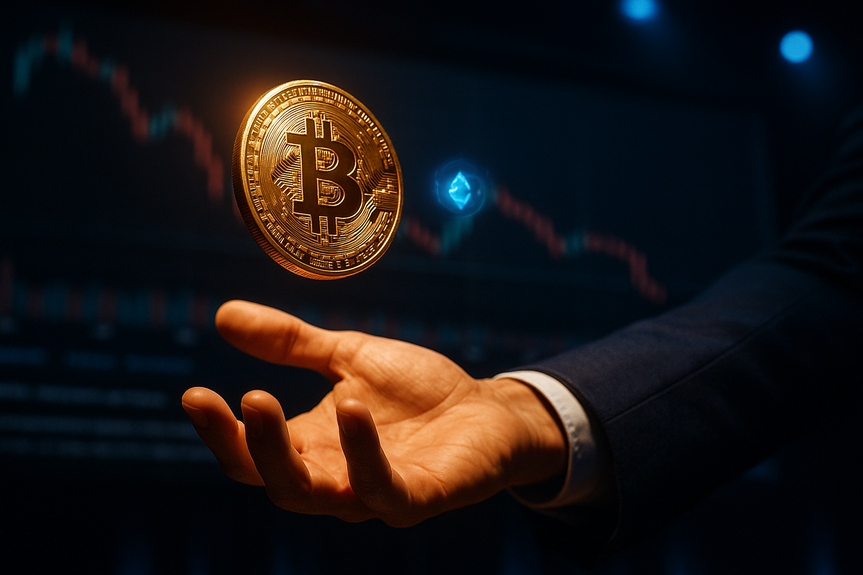
Bitcoin fell hard from its 2025 peak, dropping about 50% from October highs before bouncing. Some market voices say to stop timing the exact bottom and start building positions. Metals whipsaws and margin calls added stress, while ether also slid and could test lower levels before a rebound. Forecasts can be wrong, so focus on process over predictions. This bitcoin dip buying guide 2026 gives you clear steps to act with discipline, protect your funds, and sleep better at night.
Define your goal: long-term savings, medium-term trade, or learning position.
Pick your time horizon: months, years, or a full halving cycle.
Set max risk: how much could you lose without panic? Keep it small.
Choose your position size: spread it over time, do not go all-in.
Hold a cash buffer: keep 20%–40% unspent for deeper dips.
Set review dates: check your plan weekly or monthly, not hourly.
When price is fast, your plan keeps you slow and steady.
Regulatory oversight and clear terms of service.
Proof-of-reserves or third-party audits.
Security track record, cold storage, and hardware key support.
Fair fees, tight spreads, and good liquidity in BTC-USD/USDT pairs.
Responsive support, real status pages, and uptime history.
Open accounts on two reputable platforms. If one has issues, you have a backup. Secure your accounts with a hardware security key, strong unique passwords, and app-based 2FA. Beware of phishing. Always type the URL yourself and bookmark it.
Fund with fiat or a major stablecoin. If you move large amounts, test with a small transfer first, then the rest.
Market orders fill fast but can slip in volatile moves.
Limit orders set your price and help avoid bad fills.
Stop-limit orders can cap losses but may not fill in a flash crash.
Ladder buys: place several limit orders at lower prices so dips work for you.
DCA (dollar-cost averaging): buy a fixed amount on a schedule, no guessing.
A simple plan many use:
40% of your intended position in weekly DCA over 8–12 weeks.
40% in laddered limit buys 5%–20% below current price.
20% held for extreme wicks or special opportunities.
Avoid leverage during high volatility. Funding rates, liquidations, and gaps can wipe you out fast. Follow this bitcoin dip buying guide 2026 approach, and let time, not leverage, compound your gains.
Risk per buy: keep it small (for example, 1%–2% of your total portfolio).
Do not chase green candles; wait for your planned prices.
If you use stops, place them where your idea is wrong, not where noise lives.
Size positions so a stop-out is tolerable and you can try again.
Diversify time: spread entries over days or weeks to reduce regret.
Your goal is to stay in the game. Big wins come from staying solvent.
Use a hardware wallet (for example, a well-reviewed device) for long-term holds.
Write your seed phrase on paper or metal; store it offline and split locations.
Add a passphrase if your device supports it and you can manage it safely.
Test with a small send before moving everything.
Update firmware only from the official site; verify URLs.
Never type your seed phrase on a website. No support agent will ever ask for it.
Check a mempool or fee tracker before you move funds.
Use SegWit addresses for lower fees.
Batch: fewer, larger withdrawals cost less than many small ones.
Consider Lightning for small payments if both sides support it.
If fees spike during panic, wait for calmer blocks if you can.
Log dates, amounts, fees, and transaction IDs.
Note which wallet holds which coins.
Use a portfolio or tax tool to track cost basis (FIFO, LIFO, or HIFO, per your rules).
Export exchange statements each month.
Laws change by country. When unsure, ask a licensed tax professional. This article is not financial or tax advice.
History: deep drawdowns happen. A 50% fall is painful but not new for BTC. Past rebounds do not promise future ones.
Sentiment: fear and negative funding can mark better entries. Euphoria can mark risk.
Momentum: weekly trends and long moving averages help you avoid knife-catching.
Liquidity: metals or macro shocks can force selling across assets. Leave dry powder.
Levels: prior support and high-volume nodes can slow price. Use them for ladders, not for certainty.
Some analysts think ether could dip below round levels before a stronger base forms. Treat all calls as ideas, not orders. Your plan decides.
Phishing: fake emails, cloned sites, and typo URLs. Always verify.
Impersonators: no admin or “recovery team” will DM you for keys.
Fake airdrops: never connect unknown wallets or sign blind messages.
Malware: keep devices updated and use reputable antivirus.
Address poisoning: verify every address, not just the first and last characters.
If an offer sounds urgent or “risk-free,” step away.
I know my goal, size, and schedule.
I funded two secure, verified exchange accounts.
I enabled 2FA and stored backups safely.
I set DCA and laddered limit orders at planned prices.
I prepared a hardware wallet and tested a small withdrawal.
I left a cash buffer for deeper dips.
I will review weekly, not react hourly.
bitcoin dip buying guide 2026: Safe steps to build a position
Make a plan you can follow when fear is high
A simple plan beats a perfect guess. Write it down before you buy.Choose where to buy: safety, fees, and liquidity
Pick a well-known exchange with strong controls. Look for:Use orders that protect you
Your order type is part of your risk control.Manage risk on every trade
You control risk with size, not with hope.Move coins off the exchange to your wallet
Self-custody reduces counterparty risk.Watch network fees and pick smart windows
Bitcoin network fees change with demand.Keep clean records for taxes and tracking
Good records save time and money.Know the signals to add or to wait
No one can call the exact low. But you can use signals to size entries.Spot scams and mistakes during selloffs
Stress invites tricks. Slow down.A simple pre-buy checklist
Positioning for a choppy 2026
Markets are messy. In early 2026, bitcoin bounced between sharp selloffs and quick rallies. Gold’s wild swings spilled into crypto as margin calls hit risk assets. Some strategists think bitcoin can outperform gold from here, but even strong views can miss the mark. That is fine. You do not need to predict to succeed. You need a repeatable process that works across many trades and many months. Build your stack in stages. If price rips higher after your first buys, be happy you have some exposure and follow your DCA. If price dips further, your ladders will fill without stress. Let your average price do the quiet work. Keep custody tight, records clean, and emotions cool. Your edge is patience, not brilliance. Bitcoin rewards time in the market more than perfect timing. Strong risk habits turn dips into chances. Weak habits turn chances into losses. The steps above will not remove risk, but they will make it measured and chosen. That is how you last. In closing, use this bitcoin dip buying guide 2026 to set a plan, build positions with DCA and limit orders, move coins to secure wallets, and protect yourself from scams. Control what you can. Ignore what you cannot. Buy with care, then let time work.For more news: Click Here
FAQ
Q: What should my written plan include before buying a bitcoin dip?
A: This bitcoin dip buying guide 2026 recommends making a simple written plan that defines your goal, time horizon, position size, max risk and a cash buffer of 20%–40% so you can act calmly under stress. Review the plan weekly or monthly rather than reacting hourly.
Q: How do I choose a safe exchange to buy BTC during volatile dips?
A: Choose a well-known exchange with regulatory oversight, proof-of-reserves or third-party audits, strong security (cold storage and hardware key support), fair fees and deep liquidity; open accounts on two reputable platforms and secure them with a hardware security key, unique passwords and app-based 2FA. Fund with fiat or a major stablecoin and test large transfers with a small send first as advised in the bitcoin dip buying guide 2026.
Q: What order types and execution strategies protect me when buying into a dip?
A: Use limit orders and laddered buys to set prices and let dips work for you. The article suggests 40% of your intended position via weekly DCA over 8–12 weeks, 40% in laddered limit buys about 5%–20% below the current price and 20% reserved for extreme wicks. Avoid market orders for large purchases and avoid leverage during high volatility, per the bitcoin dip buying guide 2026.
Q: How should I size each buy and manage risk when dollar-cost averaging during a dip?
A: Control risk with position size rather than hope, keeping risk per buy small — for example 1%–2% of your total portfolio — and place stops where your idea is wrong rather than where market noise lives. Diversify entries over days or weeks to reduce regret and follow the bitcoin dip buying guide 2026 advice to stay solvent and let time compound gains.
Q: When and how should I move Bitcoin off an exchange after buying during a dip?
A: For long-term holdings, move coins to self-custody using a hardware wallet, write your seed phrase on paper or metal and store it offline in multiple locations, and always test a small withdrawal first. Update firmware only from official sites, never type your seed into a website, and follow the pre-buy checklist in the bitcoin dip buying guide 2026 before large transfers.
Q: How can I minimize on-chain fees when withdrawing or moving BTC during a selloff?
A: Check a mempool or fee tracker before you move funds, use SegWit addresses to reduce fees, batch withdrawals to save costs and consider Lightning for small payments when supported. If fees spike during a panic, wait for calmer blocks and use timing guidance from the bitcoin dip buying guide 2026 for non-urgent transfers.
Q: What common scams and security mistakes should I avoid during volatile market selloffs?
A: Be vigilant for phishing emails, cloned sites, impersonators asking for keys, fake airdrops that request wallet connections or blind signatures, malware and address poisoning; always verify URLs and every address before sending funds. If an offer sounds urgent or “risk-free,” step away and follow the safety steps outlined in this bitcoin dip buying guide 2026.
Q: Which market signals can help decide whether to add to a position or wait for a better entry?
A: Use signals like sentiment and negative funding, momentum on weekly charts, prior support or high-volume nodes, and macro liquidity events to size entries rather than trying to time an exact low, remembering that past rebounds do not guarantee future gains. Treat analyst price calls as ideas, stick to your written plan and apply the process-driven approach recommended in the bitcoin dip buying guide 2026.
* The information provided on this website is based solely on my personal experience, research and technical knowledge. This content should not be construed as investment advice or a recommendation. Any investment decision must be made on the basis of your own independent judgement.
Contents