Crypto
17 Feb 2026
Read 13 min
Let’s Go Brandon coin lawsuit How to recover investor losses *
Let's Go Brandon coin lawsuit guides investors to recover losses and reclaim funds with clear steps.
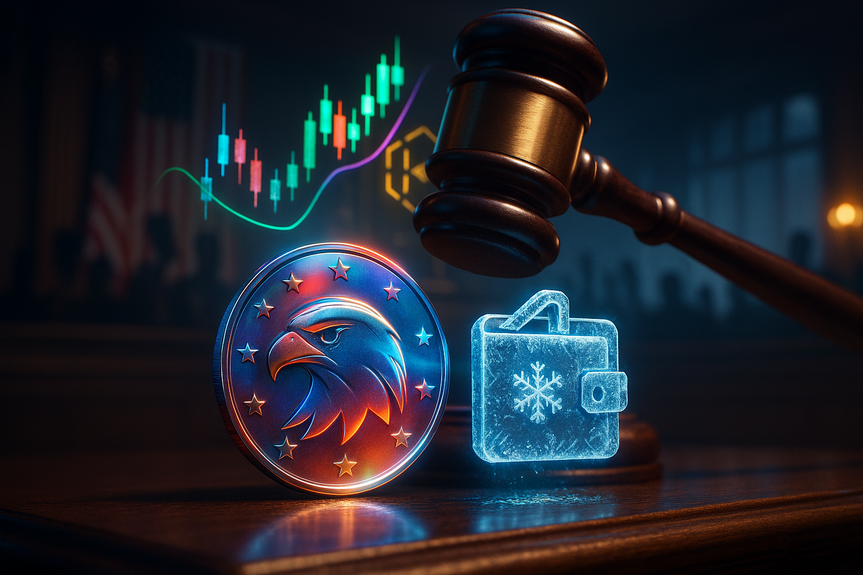
The Let’s Go Brandon coin lawsuit accuses promoters of pushing a “decentralized” token that allegedly let insiders control funds and freeze wallets. If you lost money, act fast: secure your accounts, gather records, assess your losses, consider class-action options, and explore tax strategies and consumer remedies to recover what you can.
According to court filings reported by major outlets, the case centers on a political-themed token launched in 2021 and promoted as stable, useful, and censorship-proof. Plaintiffs say it was not a mere memecoin and that insiders held centralized control via the smart contract, including the reported power to freeze user funds. The complaint also raises securities law issues and claims investors were misled by appeals to a loyal political audience. These are allegations, and the court will decide the facts. Still, the moment is a wake-up call. If you were affected, you can take clear steps now to protect yourself and try to recover losses.
What the Let’s Go Brandon coin lawsuit alleges
Court documents say promoters presented the token as serious and resilient against censorship and inflation. But the lawsuit alleges the team retained centralized control, including smart-contract permissions and the ability to freeze funds. Reporting indicates the token launched on Binance Smart Chain, not Solana, and the filing claims investors were urged to buy as part of a broader movement. The complaint also raises potential securities issues, arguing investors were sold an unregistered, speculative asset. Meanwhile, separate public guidance has at times suggested many memecoins are not securities, adding regulatory confusion. This clash is part of the larger crypto policy fight unfolding in Washington. Until the law is clearer, investors should assume the burden of proof and do extra due diligence. None of this confirms wrongdoing; they are still allegations. But the pattern highlights common crypto risks: centralized permissions, freeze functions, and marketing that appeals to identity and loyalty rather than facts.First steps if you lost money
Secure wallets and cut off risky permissions
– Revoke token approvals your wallet granted to the token’s contracts. Use trusted tools (for example, a well-known approval checker) and confirm you are on the correct site. – Move remaining funds to a fresh wallet you control. Back up your new seed phrase offline.Collect evidence before it disappears
– Save transaction hashes, wallet addresses, and timestamps from your wallet and block explorers (such as BscScan for Binance Smart Chain). – Screenshot marketing posts, videos, websites, and any claims about decentralization, freezes, utility, or price stability. – Keep emails, DMs, and exchange receipts. – Write a simple timeline: when you learned of the token, when you bought or sold, what you were told, and what happened next.Calculate your actual loss
– Note your cost basis (purchase price + fees). – Separate realized losses (you sold for less) from unrealized ones (you still hold). – Track each trade, swap, and gas fee. Accuracy helps you in court, claims processes, taxes, and chargebacks.Claim pathways: from cashbacks to class actions
Join or monitor the class action
If you bought the token, you may be a potential class member in the Let’s Go Brandon coin lawsuit. Watch for court notices, filing deadlines, and directions on how to submit documentation. You might not need to file your own separate case, which can save time and money. If you want a more active role (such as a lead plaintiff position), consult a securities lawyer quickly, because early deadlines can be tight.Work with exchanges and platforms
– Open a support ticket where you bought or bridged funds. Some platforms offer limited reimbursements or credits after incidents, especially if the issue touched their infrastructure. – Ask for detailed CSVs of your transactions for your records. – If an exchange suspended trading or withdrawals for the token, save those notices.Bank and card chargebacks
– If you funded the purchase by card or ACH, ask your bank about a chargeback or dispute. Explain the alleged misrepresentations and provide evidence. – Know the trade-offs: banks can claw back funds later, and platforms may close your account. – Act fast. Payment dispute windows can be as short as 60–120 days.Mediation, arbitration, or small claims
– Many exchanges require arbitration. Check the terms of service for rules, deadlines, and venue. – For smaller sums, small claims court can be low-cost and fast. Bring a clear paper trail: transaction hashes, screenshots, and your timeline.Regulatory and consumer complaints
– File tips with the SEC, CFTC, your state securities regulator, and your state attorney general. Attach your evidence. – Report deceptive ads to the FTC and platform ad portals. – These filings can pressure platforms to cooperate and help build a record for recovery.Tax moves that can soften the hit
This is not tax advice. Speak with a qualified tax professional. – Realize losses: If you still hold the token and it has little or no value, selling or swapping can lock in a capital loss you may use to offset gains, depending on your jurisdiction. – Track timing: Taxes depend on holding periods and dates. Keep clean records. – Document fees: Network and trading fees add to cost basis or reduce proceeds. – Avoid wash-sale pitfalls: Some countries have unclear rules for crypto. A professional can advise you on how to avoid denied deductions.Security lessons you can use today
Check who controls the contract
– Look for ownership renounced, time locks, or multi-signature controls. – If a single wallet can pause transfers or freeze funds, risk is high. – Review reputable audits, but verify they match the live contract address.Verify liquidity and supply
– See if liquidity is locked and for how long. – Check for large insider wallets and uneven token distributions. – Watch for stealth mints, transfer taxes, or blacklist functions in the code.Be wary of identity-based marketing
– If a token leans on politics, celebrity, or tribe loyalty, pause and verify. – Red flags include “uncancellable,” “risk-free,” “can’t go down,” or guaranteed returns. – Demand a clear whitepaper, public team, and a real roadmap with shipped code, not just videos.How to document your claim well
– Export wallet history as CSV and PDF. Include TX hashes for each buy and sell. – Print or save web pages as PDF. Add URL and capture date on each file. – Create a folder for “Marketing Claims” with screenshots of every promise that influenced you. – Keep a list of witnesses (friends who saw the promotions) and links to archived posts. – Back up your files to the cloud and an external drive.Key deadlines and statutes to watch
– Class actions and consumer claims have strict filing windows. Some are months, not years. – Securities-related claims often have short limits from when you “discover” the issue, plus an outer time cap. A lawyer can explain the exact rules in your area. – Mark dates on a calendar: first purchase, last purchase, date you learned of alleged control or freezes, and the date you took action.What recovery could look like
Outcomes vary. If the Let’s Go Brandon coin lawsuit succeeds or settles, investors might see cash, credits, or other relief based on net losses. Chargebacks or bank disputes may return some funds. Strong records raise your odds. Fast action protects your rights. Clear, careful documentation helps the court see your story. Smart investors treat this as both a warning and a map. Secure your wallets. Save your evidence. Explore every remedy available. Speak with legal and tax pros before key deadlines. Even if you cannot recover everything, you can often recover something, learn hard lessons, and avoid the next trap. In short, take calm, steady steps now. The Let’s Go Brandon coin lawsuit is a reminder to test decentralization claims, verify contract powers, and protect yourself with solid records and prompt action.For more news: Click Here
FAQ
Q: What does the Let’s Go Brandon coin lawsuit allege?
A: The class-action complaint alleges the 2021 political-themed token was promoted as stable, decentralized, and censorship-proof while insiders retained centralized control over the smart contract, including the ability to freeze user funds. Plaintiffs also say promoters targeted a politically loyal audience and raised securities-related claims about an unregistered, speculative asset.
Q: I lost money—what immediate steps should I take?
A: If you lost funds related to the token in the Let’s Go Brandon coin lawsuit, immediately secure your wallet by revoking risky token approvals and moving remaining funds to a fresh wallet with an offline seed backup. Collect transaction hashes, screenshots of marketing claims, exchange receipts, and a simple timeline to preserve evidence for claims or investigations.
Q: How should I document transactions and marketing evidence for a claim?
A: Export wallet history as CSV and PDF, save TX hashes from block explorers like BscScan, and screenshot posts, videos, and websites that promoted the token. Create a clear timeline of events, list witnesses, and back up all files to both cloud storage and an external drive for safekeeping.
Q: Can I join the class action in the Let’s Go Brandon coin lawsuit?
A: If you bought the token you may be a potential class member, so watch for court notices, filing deadlines, and instructions on how to submit documentation. If you want a more active role—such as seeking lead plaintiff status—consult a securities lawyer quickly because early deadlines can be tight.
Q: Are bank chargebacks or card disputes an option to recover funds?
A: If you funded purchases by card or ACH, contact your bank about a chargeback or dispute and provide evidence of alleged misrepresentations. Act fast because payment dispute windows can be as short as 60–120 days, and know the trade-offs like possible account actions by the platform or bank.
Q: Should I file complaints with regulators, and which agencies matter?
A: Yes—file tips and complaints with the SEC, CFTC, your state securities regulator, and your state attorney general, and attach the evidence you collected. You can also report deceptive ads to the FTC and platform ad portals to help build an official record and pressure platforms to cooperate.
Q: What tax moves might soften the hit from losses in the token?
A: This is not tax advice, but you may be able to realize capital losses by selling or swapping worthless tokens to offset gains, and you should document fees and holding periods carefully. Consult a qualified tax professional to avoid problems like wash-sale issues and to confirm how losses apply in your jurisdiction.
Q: If the Let’s Go Brandon coin lawsuit succeeds, what could recovery look like?
A: Outcomes vary: if the lawsuit succeeds or settles, investors might receive cash, credits, or other relief based on net losses, while chargebacks or bank disputes may return some funds. Strong records and prompt action generally improve the chances of recovering at least part of your losses, but nothing is guaranteed.
* The information provided on this website is based solely on my personal experience, research and technical knowledge. This content should not be construed as investment advice or a recommendation. Any investment decision must be made on the basis of your own independent judgement.
Contents