AI News
26 Mar 2026
Read 9 min
US military AI in Iran How humans make final calls
US military AI in Iran speeds targeting while human commanders retain final authority to cut errors
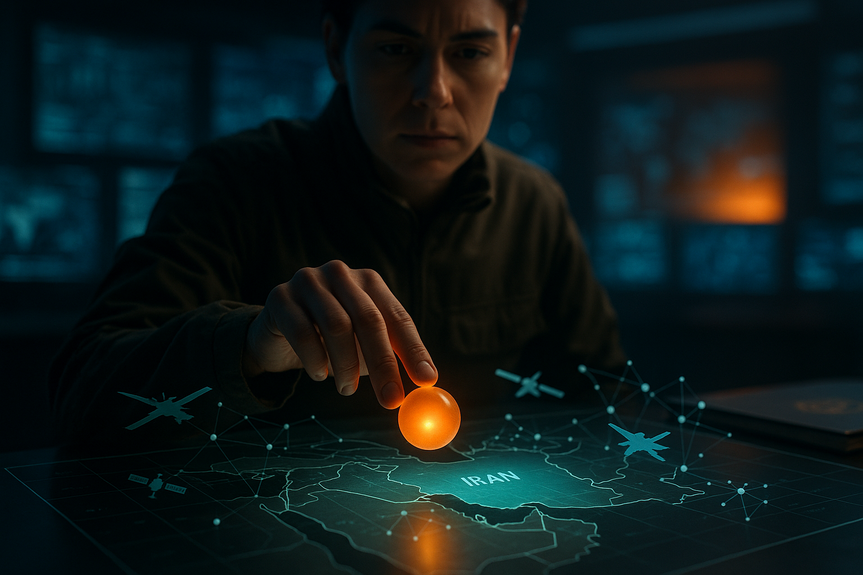
US military AI in Iran is now a confirmed part of the fight, the Pentagon says, but humans still make every final call. AI speeds how troops spot threats, fuse intel, and plan defenses. It suggests options; commanders decide under law and rules of engagement.
The Pentagon says advanced AI tools are active in the Iran conflict. These systems scan data, flag patterns, and surface choices. Officers still approve actions and own outcomes. On Fox News, analyst Owen Daniels of Georgetown University said AI is helping forces move faster and stay safer, while guardrails keep people in charge.
Faster detection of missile launches or drone swarms
Quicker geolocation of hostile units or launch sites
Cross-checks between sensors to reduce false alarms
Highlighting protected sites like hospitals or schools
Scoring confidence in identity and location
Proposing lower-risk timing or angles of attack
Prioritizing the most dangerous inbound threats
Recommending interceptor pairings and fire timing
Adapting to decoys or jamming faster than manual methods
Predicting spare parts needs for high-use systems
Routing convoys around hazards and bottlenecks
Scheduling maintenance before a breakdown
Commanders approve or reject AI suggestions
Lawyers review targets under the law of armed conflict
Operators can pause, override, or shut down systems
After-action reviews trace why choices were made
This model keeps accountability clear. It also guards against automation bias, where people might trust a fast answer too much. By forcing human review at key points, the military seeks speed with judgment.
Speed: Cuts hours to minutes for data triage
Scale: Handles more feeds than any team of humans
Consistency: Applies the same checks every time
Protection: Warns earlier and reduces exposure to fire
Bad data: Biased or spoofed inputs can mislead models
Over-trust: Users might accept a confident, wrong answer
Deception: Adversaries can jam, hack, or feed false signals
Escalation: Faster cycles can raise the risk of missteps
Because of these risks, testing, monitoring, and training are as important as the code. The goal is to earn trust through performance, not demand it.
How US military AI in Iran is being used
Finding signals in a flood of data
AI helps sort drone feeds, radar tracks, radio chatter, and satellite images. It groups related events, spots unusual movement, and alerts analysts sooner.Target checks and risk reduction
Algorithms compare live data with maps, past patterns, and known sites. They can flag civilian areas and estimate collateral risk. This gives commanders clearer choices.Force protection and defense
AI supports air and missile defense by ranking threats and suggesting intercept plans.Planning and sustainment
Logistics algorithms forecast demand and route supplies.Humans stay in control
Leaders stress that AI informs decisions but does not replace them. A human remains in, on, or over the loop for sensitive actions.Benefits and risks of US military AI in Iran
Where it helps
What could go wrong
Guardrails that shape responsible use
Test, evaluate, and update
Teams run red-team drills against these tools, measure error rates, and retrain models as conditions change. If a system drifts, it is fixed or pulled.Control the data and the model
Secure data pipelines reduce tampering. Curated training sets and bias checks lower the chance of skewed outputs.Transparency and audit trails
Systems log why they ranked a threat or flagged a target. Clear logs support rapid audits and lessons learned after an event.Training the human team
Operators learn how AI makes suggestions, where it fails, and how to challenge it. Good prompts and sharp skepticism improve results.Allied coordination
Interoperable standards help share alerts and reduce confusion. Shared rules of engagement keep actions aligned across partners.What to watch next for US military AI in Iran
Better fusion of sensors
Expect tighter links between drones, satellites, ships, and ground radars, with AI smoothing gaps and handing off tracks with less lag.Edge AI close to the fight
Smaller models may run on drones or vehicles to spot threats even if links to headquarters drop.Stronger defenses against spoofing
Adversaries will try to fool sensors. New models will focus on anomaly checks, adversarial resilience, and confidence scoring.Clearer policy lines
As tools mature, the Pentagon will likely publish more guidance on when and how AI can cue fires, and what must always require an extra human check. The bottom line is steady: AI can speed sense-making and sharpen choices, but people decide. That balance will shape trust at home and with allies. In short, US military AI in Iran makes operations faster and safer by fusing data and flagging risks, while humans keep authority over life-and-death calls. With testing, training, and strong rules, these tools can help deter threats and control escalation—without giving up human judgment at the point of decision. (Source: https://www.foxnews.com/video/6391408202112) For more news: Click HereFAQ
Q: Has the Pentagon confirmed use of AI in the Iran conflict?
A: Yes, the Pentagon has confirmed that advanced systems are being used. US military AI in Iran scans data, flags patterns, and surfaces options, but commanders make final decisions under law and rules of engagement.
Q: What battlefield tasks does AI perform in the Iran conflict?
A: It sorts drone feeds, radar tracks, radio chatter, and satellite images to group related events, spot unusual movement, and alert analysts sooner. The systems also help fuse intelligence and plan defenses by suggesting options while commanders retain decision authority.
Q: How does AI help reduce the risk of civilian harm?
A: Algorithms compare live data with maps, past patterns, and known sites to flag civilian areas and estimate collateral risk. They highlight protected sites like hospitals or schools and propose lower-risk timing or angles of attack, giving commanders clearer choices.
Q: Do humans retain control over weapon employment when AI tools are used?
A: Yes. Leaders stress AI informs decisions but does not replace them, and a human remains in, on, or over the loop for sensitive actions. Commanders approve or reject suggestions, lawyers review targets under the law of armed conflict, and operators can pause, override, or shut down systems with after-action reviews tracing why choices were made.
Q: What are the main benefits of using AI in the Iran conflict?
A: Key benefits include speed—cutting hours to minutes for data triage—scale in handling more feeds than any team of humans, consistency in applying the same checks, and earlier warnings that can reduce exposure. These advantages help forces move faster and stay safer while maintaining human judgment.
Q: What risks come with deploying AI, and how are they addressed?
A: Risks include bad or spoofed data, automation bias where users over-trust confident but wrong outputs, deception through jamming or hacking, and the danger that faster cycles could raise escalation risks. To address these, teams run red-team drills, test and retrain models, secure data pipelines, monitor for drift, and emphasize training so trust is earned through performance, not demanded.
Q: What guardrails are in place to ensure responsible use of US military AI in Iran?
A: Guardrails include rigorous testing, red-team exercises, error-rate measurement, and the ability to fix or pull systems if they drift, alongside secure, curated data pipelines to reduce tampering and bias. Transparency through logs, operator training, and allied coordination with interoperable standards and shared rules of engagement support accountability and aligned actions.
Q: What should observers watch for next regarding AI use in the Iran conflict?
A: Expect tighter fusion of sensors across drones, satellites, ships and ground radars, wider use of edge AI on platforms close to the fight, stronger defenses against spoofing and adversarial inputs, and clearer Pentagon guidance on when AI may cue fires and when extra human checks are required. How these changes unfold will affect how US military AI in Iran speeds decisions while preserving human authority.
Contents