Crypto
17 Apr 2026
Read 12 min
BIP-361 Bitcoin quantum migration How to protect your BTC *
BIP-361 Bitcoin quantum migration mandates address upgrades to protect BTC from future quantum theft.
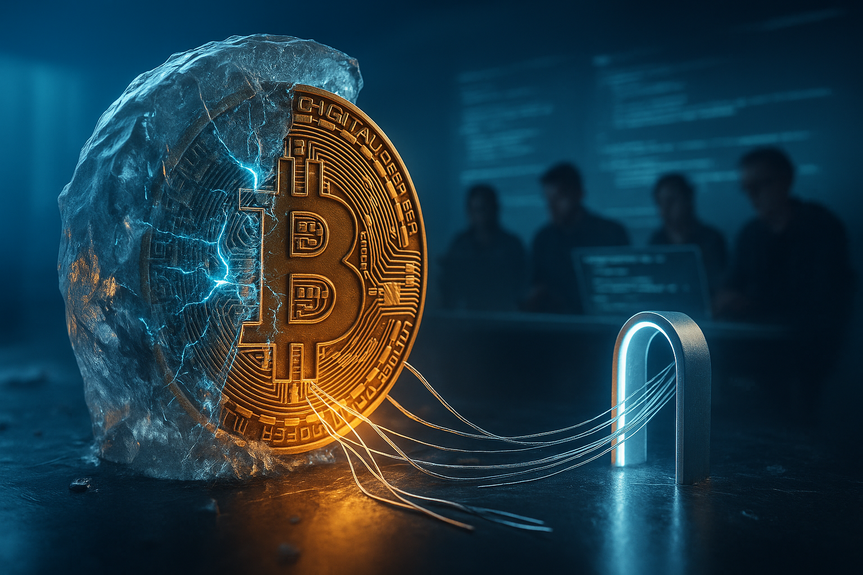
BIP-361 Bitcoin quantum migration is a draft plan to protect BTC from future quantum computers. It would block new deposits to older address types, then freeze coins that do not move to quantum-safe formats, with a late recovery path. Supporters call it hard medicine. Critics call it confiscation by consensus.
Bitcoin faces a new kind of risk. Quantum computers could one day crack the math behind common signatures and take coins from wallets with exposed public keys. A new proposal aims to move the network before that day comes. It sets deadlines, changes what counts as “ownership,” and could even freeze coins that do not migrate in time.
What BIP-361 Bitcoin quantum migration proposes
The core idea
BIP-361 would phase out today’s signature methods and stop users from sending BTC to address types that quantum computers could attack. It pairs with BIP-360, a separate proposal that introduces quantum-resistant ways to make and verify Bitcoin transactions. BIP-361 stays in draft status until BIP-360 is ready.Three phases at a glance
- Phase 1 (about 3 years after activation): Block new deposits to vulnerable addresses. Users can still spend from them, but fresh inflows stop.
- Phase 2 (about 5 years after activation): Freeze coins that remain in legacy, quantum-vulnerable formats. The network will not accept signatures from those old schemes.
- Phase 3 (after the freeze): Allow a late recovery path using zero-knowledge proofs so some owners who missed the deadline can still prove control and move coins.
Why now? The quantum clock is ticking
No one knows the exact date when a useful, large quantum computer will arrive. But companies like Google have set plans to switch their own systems to post-quantum cryptography by 2029. The signal is clear: the risk window is not science fiction forever. Waiting too long could leave a large pool of coins open to theft the moment someone shows a working attack. The proposal’s authors note that over a third of all BTC has a public key exposed on-chain. Those coins are softer targets if quantum decryption becomes possible. Address reuse, early address types, and certain script patterns increase that exposure.The debate: protection or confiscation?
Supporters say the change is harsh but needed. They argue that the first working quantum attacker should not get a free windfall from careless or inactive holders. A clear deadline gives the entire network time to move, update, and test. It also avoids chaos the day a quantum attack appears on-chain. Critics see a different risk. They say a protocol-enforced freeze breaks a core promise: if you hold the keys, you control the coins. If a soft fork can freeze legacy coins “for safety,” they worry a future fork could freeze coins for other reasons. To them, that is a slippery slope that could harm Bitcoin’s neutrality. There is also a technical point. If old schemes like ECDSA remain valid forever, a strong quantum attacker could drain any wallet that has shown a public key. Once a public theft happens, market panic could follow as holders rush to move. If the network does nothing, the first theft could light the fuse. Still, enforcing deadlines is a social and economic bet. If a large group rejects the change, a chain split could happen. One chain would enforce the freeze; the other would not. That split risks price damage, liquidity loss, and confusion for users and companies.How to protect your BTC today
You do not need to wait for new rules to lower your risk. You can take simple steps now to reduce exposure and prepare for any future migration.Reduce public key exposure
- Do not reuse addresses. Use a fresh address for each deposit. This keeps your public key hidden until you spend.
- Move coins off addresses that have already exposed the public key (for example, heavily reused addresses). Send them to fresh addresses that have not yet revealed their keys.
- Avoid long-term parking of coins in scripts that reveal public keys directly. Use standard, modern address types and rotate them.
Strengthen your setup
- Use a hardware wallet from a reputable brand. Keep firmware updated so you can adopt new standards when they arrive.
- Consider multisig. It makes attacks harder, and it gives you flexibility to rotate keys over time.
- Keep your seed phrase offline and secure. If a migration comes, you must be able to move quickly.
Prepare for a migration path
- Watch the status of BIP-360 and BIP-361. Migration depends on new quantum-resistant transactions becoming available.
- Work with your wallet provider or custodian. Ask if they plan to support quantum-safe formats and late recovery options.
- Test small moves when new formats ship. Learn the process before you move large sums.
What happens if the proposal activates
If the community agrees and the change goes live, you will likely see a timeline, tools, and strong reminders to move. The safest path will be to migrate early and verify.Your likely action list
- Check if any of your coins sit in legacy vulnerable formats or on addresses with exposed public keys.
- Move those coins into the new quantum-resistant format before the first deadline. Confirm on a block explorer.
- Set alerts for the second deadline (the freeze). Do not rely on memory; set calendar reminders.
- Keep software and firmware updated. New wallet versions will guide you through the steps.
- If you miss the deadline, learn about the zero-knowledge recovery track. It should allow late moves, but it may be slower and more complex.
Risks if the network splits
A disputed upgrade could lead to two chains: one with a freeze and one without. That scenario comes with serious risks.- Price shocks: A single on-chain quantum theft could hit the value of an unprotected chain, as traders price in more possible thefts.
- Operational confusion: Exchanges, wallets, miners, and users must pick a side. Deposits and withdrawals can halt during the flip.
- Replay and mix-ups: If safeguards are not in place, transactions could replay across chains. Users must take extra care.
- Brand and trust damage: Competing visions can hurt adoption and make new users hesitate.
Key takeaways and next steps
- Quantum risk is not here today, but smart players are preparing now. Major companies plan to shift to post-quantum cryptography within a few years.
- BIP-361 changes the rules of ownership by adding a time factor. Move by the deadline or risk a freeze, with a late recovery path as a last resort.
- Debate is healthy. It helps test the design and surface the social tradeoffs.
- Your best defense today: avoid address reuse, keep software updated, and follow wallet guidance as quantum-safe tools roll out.
(Source: https://decrypt.co/364450/new-bitcoin-proposal-would-freeze-coins-to-counter-quantum-threat)
For more news: Click Here
FAQ
Q: What is BIP-361 Bitcoin quantum migration?
A: BIP-361 Bitcoin quantum migration is a draft Bitcoin Improvement Proposal to protect BTC from future quantum computers by phasing out current signature schemes and shifting coins into quantum-resistant formats. It would block new deposits to vulnerable address types, later freeze legacy coins that do not migrate, and provide a late recovery path using zero-knowledge proofs.
Q: How would BIP-361 Bitcoin quantum migration protect Bitcoin from quantum attacks?
A: BIP-361 Bitcoin quantum migration would first block new inflows to addresses that expose public keys roughly three years after activation, then make legacy signatures invalid and freeze coins about two years after that. It pairs with BIP-360 to introduce quantum-resistant transaction methods and keeps a potential recovery option using zero-knowledge proofs.
Q: What are the phases and timelines proposed in BIP-361?
A: The draft lays out three phases: blocking new deposits to vulnerable addresses roughly three years after activation, freezing legacy coins about two years later, and a third phase offering a late recovery path via zero-knowledge proofs. Overall the plan would disable today’s signature verification over roughly a five-year window after activation.
Q: Why do supporters argue BIP-361 is necessary?
A: Supporters call the proposal hard medicine because it aims to prevent the first entity with a working quantum computer from looting exposed coins and to avoid chaotic, reactive migrations if a quantum theft appears on-chain. They argue a clear deadline gives the network time to move, update, and test quantum-resistant methods safely.
Q: Why do critics describe the proposal as confiscation?
A: Critics say a protocol-enforced freeze rewrites “not your keys, not your coins” into a system that can seize access by consensus, which they view as confiscation. They warn that if a soft fork can freeze coins for quantum safety, it could set a precedent for freezing funds for other policy reasons in the future.
Q: How can I protect my BTC now ahead of BIP-361 Bitcoin quantum migration?
A: Reduce public key exposure by avoiding address reuse, moving coins off addresses that have already revealed public keys, and using fresh, modern address types. Strengthen your setup with updated hardware wallet firmware, consider multisig, keep your seed phrase offline, and monitor BIP-360 and BIP-361 so you can test migrations when tools arrive.
Q: What risks could a contested BIP-361 activation create?
A: A contested upgrade could split the network into a chain that enforces freezes and one that does not, creating price shocks, operational confusion for exchanges and wallets, replay risks, and damage to trust. Observers warn a single on-chain quantum theft on an unprotected chain could trigger immediate market panic and rapid value collapse.
Q: If BIP-361 is adopted, how would rules about ownership change?
A: Adoption would change ownership from simply proving control with an old signature to maintaining ownership by migrating to a quantum-safe format by a deadline, adding a time-based condition to custody. That shift — the core of BIP-361 Bitcoin quantum migration — represents a major cultural and protocol change for Bitcoin if enacted.
* The information provided on this website is based solely on my personal experience, research and technical knowledge. This content should not be construed as investment advice or a recommendation. Any investment decision must be made on the basis of your own independent judgement.
Contents