AI News
26 May 2026
Read 9 min
Why Starbucks scrapped AI inventory tool and what it means
why Starbucks scrapped AI inventory tool reveals practical lessons for fixing supply shortages faster
Starbucks shut down its AI inventory app nine months after launch because it miscounted items, confused similar products, and slowed store work. Here’s why Starbucks scrapped AI inventory tool: the company chose consistent, manual counts and daily deliveries over shaky automation, while it refocuses on supply chain basics and reliable tech.
Starbucks ended an AI-powered system that scanned shelves and estimated stock for milks, syrups, and other beverage parts. The company said it will count those items like all other inventory and push more frequent replenishment. The move follows worker reports of bad counts and mislabeled items that hurt product availability.
Why Starbucks scrapped AI inventory tool: What went wrong
Miscounts hurt availability
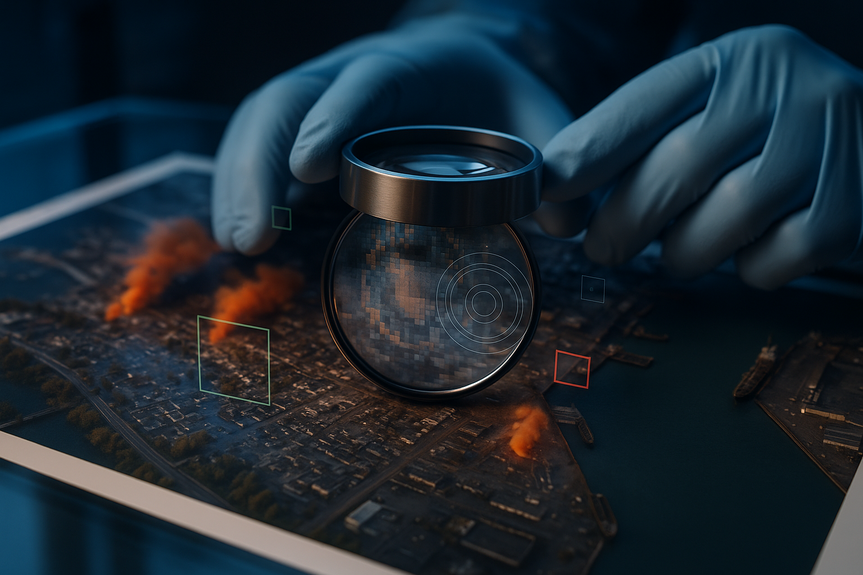
Baristas held a tablet up to shelves. The app used cameras and LIDAR to read what was there. It often got things wrong. It mixed up similar milks. It missed items on the shelf. A company video even showed the tool skipping a peppermint syrup bottle. When counts are wrong, orders break, and customers hear “we’re out.”Speed first, accuracy later
Starbucks rolled the tool across North America in September after years of testing. That was fast for thousands of stores. The promise was speed and accuracy. But the rollout ran ahead of reliable performance. The company later removed its online post that had pitched the system as a step to “smarter supply chain optimization.”Consistency beat novelty
Leaders chose standard counting across stores over a partial automation that did not deliver. The internal note said beverage components would go back to the same process as other items. That tells us the answer to why Starbucks scrapped AI inventory tool starts with consistency: one simple process is better than two clashing ones.What the decision means for Starbucks
Back to basics on supply
Starbucks says it will move toward daily replenishment and keep fixing its supply chain. The aim is simple: if it’s on the menu, customers should be able to order it. That shifts pressure from scanning accuracy to delivery rhythm and stock flow.- More frequent deliveries can reduce out-of-stocks even with manual counts.
- Clear, single-process inventory rules make training easier and errors fewer.
- Reliable fulfillment builds customer trust faster than flashy tools do.
Tech will stay, but it must earn trust
CEO Brian Niccol still backs technology to sequence orders and assist baristas. But this move says any new tool must prove accuracy at scale. Analysts had expected AI inventory tracking to cut labor and waste. That may still happen later, but only when precision clears a clear bar.Margins, growth, and investor pressure
Sales improved recently, and the stock rose this year. Still, North American operating margins fell compared with two years ago, in part due to higher staffing and upgrades. Cutting a tool that caused rework can protect margins by avoiding waste, remakes, and lost orders.- Less time fixing bad counts means more time serving customers.
- Fewer reorders and substitutions reduce waste and cost.
- Staff morale improves when tools help rather than hinder.
Vendor iteration continues
The app provider, NomadGo, says it keeps learning from customer feedback. That points to a likely path: the system trains on real edge cases, improves, and may return when it meets store-level accuracy and usability targets.How other retailers can learn from why Starbucks scrapped AI inventory tool
Set proof first, then scale
Before a chain-wide push, teams should run the AI in parallel with manual counts. Set a precision threshold for lookalike items, like similar milk cartons and syrup bottles. Do not scale until the model beats that target store after store.- Test on the hardest shelves, not the easiest ones.
- Measure false positives and false negatives by SKU.
- Pilot across different store layouts and lighting.
Design for messy reality
Shelf data is noisy. Bottles face backward. Labels peel. Lighting shifts. The training set must include these cases. Make the interface show confidence scores so staff know when to trust or double-check.- Require a human check when confidence is low.
- Let staff correct counts in two taps.
- Feed corrections back to retrain the model weekly.
Link AI to logistics
Counting is step one. Replenishment is step two. If trucks do not come often enough, better counts do not save the day. Starbucks’ pivot to daily replenishment shows that operations wins when tech and logistics move together.- Tie counts to automatic reorder rules and delivery windows.
- Alert stores when forecast misses trigger risk of stockouts.
- Share simple dashboards: “on-menu, in-stock, on-time.”
Protect workers’ time and trust
If a tool adds friction, workers reject it. Train fast, listen often, and publish changes. Make it easy to opt out during outages. Give clear benefits: fewer end-of-day counts, fewer “86’d” items, smoother rushes.- Co-design with frontline staff from the first pilot.
- Post weekly release notes in plain language.
- Use a visible “kill switch” when accuracy dips.
The bigger picture: tech ambition with operational discipline
Starbucks still bets on technology in its turnaround, but this step shows the bar for in-store AI is high. The company favored accuracy, consistency, and supply cadence over novelty. Retail leaders asking why Starbucks scrapped AI inventory tool should see a message: prove value in real stores or pause and fix. In the end, Starbucks chose dependable counts and steadier deliveries to protect customer experience and margins. That is why Starbucks scrapped AI inventory tool now, while it keeps building toward store tech that workers trust and customers never notice—because it just works.(Source: https://www.reuters.com/business/starbucks-scraps-ai-inventory-tool-across-north-america-2026-05-21/)
For more news: Click Here
FAQ
Q: Why did Starbucks end the automated AI inventory program?
A: The article explains why Starbucks scrapped AI inventory tool: it miscounted items, confused similar products, and slowed store work. The company chose consistent manual counts and more frequent replenishment while it refocuses on supply chain basics and reliable technology.
Q: How did the AI inventory app work in stores?
A: The app used tablet cameras and LIDAR to scan shelves for milks, syrups and other beverage components. It frequently misrecognized or missed items, including confusing similar milk types and skipping a peppermint syrup bottle in a demonstration video.
Q: When was the tool rolled out and how long was it used?
A: Starbucks rapidly rolled the tool out to North American stores in September and retired it nine months after deployment. The automated counting program had been in testing for years before that wider rollout.
Q: Did the AI tool help fix product shortages?
A: Starbucks told Reuters in February that adoption of the tool had improved product availability in stores, but Reuters also reported frequent miscounts and mislabeled items that hurt availability. The company later cited the need to standardize inventory counting as the reason for ending the program.
Q: What will Starbucks do instead of the automated counting app?
A: Starbucks said beverage components and milk will now be counted the same way as other inventory categories and that it is working toward more frequent, daily replenishments. The company framed the change as a move to standardize counting and focus on consistency and execution at scale.
Q: Is Starbucks abandoning technology in its turnaround plans?
A: CEO Brian Niccol still supports using technology to sequence orders and assist baristas, but the company signaled any in-store AI must prove accuracy and usability at scale. The app’s provider, NomadGo, said it is continuously learning from customer and user feedback to improve its products.
Q: What lessons does the decision offer other retailers testing AI inventory systems?
A: The article advises testing AI in parallel with manual counts, setting precision thresholds for lookalike items, and piloting across different store layouts before scaling. It also recommends designing for messy shelf realities, requiring human checks when confidence is low, and linking counts to replenishment and logistics.
Q: How did store employees react to the retirement of the automated counting tool?
A: Internal screenshots Starbucks shared showed employees praising the discontinuation and saying the idea was good but the execution proved difficult. Those comments reflected worker reports that the tool frequently miscounted and slowed store work.
Contents