Crypto
27 Jul 2026
Read 12 min
World WLD token sale 2026 How to spot red flags *
World WLD token sale 2026: spot investor lockup red flags and protect your crypto investments today
World WLD token sale 2026 raised $52.5 million from strategic investors under a 12-month lockup. Here’s what that means, why the deal matters, and how to read the signals. Use this guide to spot red flags, verify claims, and protect yourself before you risk money or data.
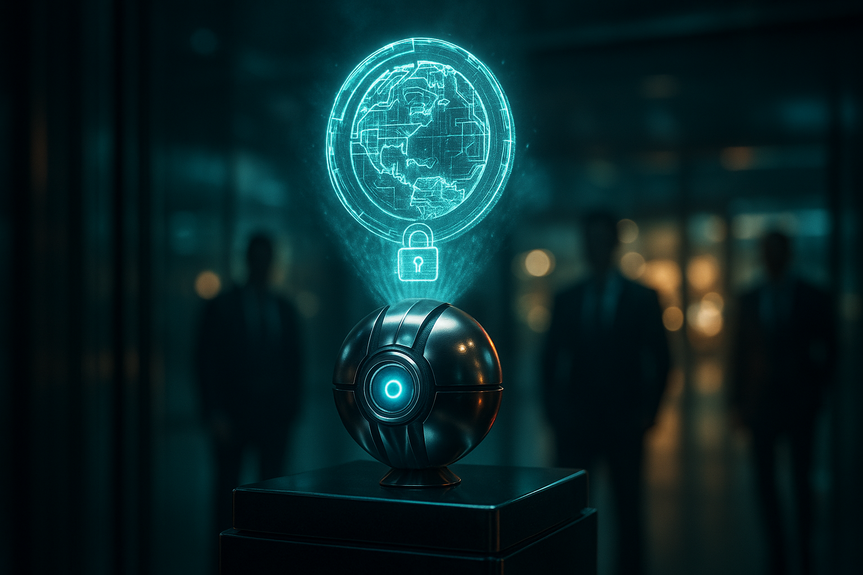
World, co-founded by Alex Blania and OpenAI’s Sam Altman, wants to solve online trust. The company sells “proof of human” tools and a World ID that helps apps tell people from bots. To earn a top-tier verification, users scan their iris with an Orb, which turns a unique pattern into a cryptographic code. The effort began as Worldcoin, rebranded to World, and runs through an app that also holds and moves the WLD token.
In July 2026, World sold WLD tokens to strategic buyers and raised $52.5 million. Investors agreed to a 12-month lockup. The company said this shows a long-term view of the network. The funds go to the World Foundation in the Cayman Islands, which stewards network growth. Pantera Capital led the deal. Others included Eightco Holdings, Bain Capital Crypto, Susquehanna Crypto, and Selini Capital.
World has momentum and criticism. It announced app upgrades and partnerships with big brands like Tinder, Zoom, and DocuSign in April. It also faced pressure to scale, and Tools for Humanity, the operating company in San Francisco, cut staff in June. If you want to analyze the World WLD token sale 2026, focus on facts you can verify, not hype.
When do tokens start to unlock, and in what size tranches?
Who unlocks first: team, foundation, market makers, or the public?
Are there performance-based cliffs or automatic releases?
Large, sudden unlocks can increase supply and pressure price. Smooth schedules usually reduce shocks.
What share sits with the foundation, team, investors, or market makers?
Is there an on-chain wallet map or a transparency report you can review?
Do insiders have transfer restrictions beyond the lockup?
High concentration can be fine if trust and disclosures are strong. It can be a red flag if holders can move liquidity without notice.
What can users do with WLD today beyond trading?
Do partner apps request World ID with real use cases?
Are fees, discounts, or access tied to token use, not just holding?
If most demand is speculative, price depends on new buyers, not real utility.
Is there a formal governance process with proposals and votes?
Can the foundation pause the protocol, update contracts, or change token supply?
Are there published bylaws, charters, or auditor reports?
Centralized control can help safety early on but may conflict with “open network” claims later.
How does the Orb turn an iris pattern into a code, and what raw data is stored or deleted?
Are methods and audits public? Are they repeatable and reviewed by independent experts?
Can users revoke consent, delete data, and verify deletion?
If policies are vague or audits are missing, pause. Identity systems must be precise and honest.
Is the integration live or in pilot?
Is it global or limited to a region or feature?
Are there public metrics like daily verifications or active partner endpoints?
A recent correction clarified there was no Ticketmaster deal. This shows why you should check claims and look for first-party statements.
How does World make money beyond token appreciation?
What are the costs to operate Orbs and onboard users?
What changed after the June layoffs, and how does that affect delivery?
If growth depends on subsidies or free giveaways, the model may not last.
What protections exist if the wallet provider is hacked or freezes withdrawals?
Do you control your keys? Can you exit to self-custody easily?
Are there third-party security reviews of the app and back end?
Custody risk can matter more than market risk. Understand it before you deposit value.
How does WLD fit into securities, commodities, or payments rules where you live?
Are there geo-restrictions, KYC/AML checks, or age limits?
Has any regulator issued guidance or warnings about the token or biometric verification?
Clear, published compliance plans reduce surprise events.
Are smart contracts audited by reputable firms, with reports you can read?
Is there a live bug bounty with real payouts and recent submissions?
Does the team disclose incidents and fixes promptly?
Audits do not guarantee safety, but no audits is a red flag.
Study the whitepaper, tokenomics, and foundation documents.
Read investor lockup terms and any side letters if available.
Check team blog posts, not just social media clips.
Confirm partnerships on partner websites or press rooms.
Compare app store listings with claimed features.
Look for third-party research or independent dashboards.
Set a budget you can afford to lose; size positions small.
Plan around unlock dates and likely volatility windows.
Use self-custody if you can manage keys safely.
Track active World IDs, partner integrations, and daily verification counts.
Monitor developer activity and SDK usage.
Follow foundation grants and the projects they fund.
What happened and why it matters
World chose a lockup sale to bring in aligned capital and reduce near-term sell pressure. A year sounds long, but what happens on day 366 matters more. The use of a Cayman foundation is common in crypto, but it can raise questions on oversight, disclosures, and recourse for token holders. Big-name investors spark confidence, yet their terms may differ from retail. All of this is normal in crypto. Your job is to separate signal from noise.World WLD token sale 2026: signals to study
Check the lockup math and unlock schedule
A lockup helps price stability, until it ends. Read the vesting and unlock plan, not just the headline.Follow the money and token concentration
Token ownership concentration is key.Understand utility vs. speculation
WLD should fuel clear actions in the network.Evaluate governance and control
Who makes big decisions?Scrutinize data and privacy promises
World links identity to biometrics. That raises unique risks.Verify partnerships and traction
World announced links with Tinder, Zoom, and DocuSign. That is notable. But always confirm the depth of each partnership.Assess business model and runway
A token can raise money, but a network needs revenue and retention.Wallet and custody risk
World’s app acts as a custodial wallet for many users.Regulatory and jurisdiction risk
The Cayman foundation is common, but laws vary by country.Security audits and bug bounties
Crypto code should be tested in the open.How to protect yourself before you buy
Read primary sources
Cross-check claims
Map key risks to your plan
Watch real adoption
What success could look like
A strong identity layer can help fix spam, fraud, and bot abuse. If World proves it can protect privacy, scale Orbs, and ship reliable tools that apps want, WLD may play a real role in access, fees, or governance. If partnerships deepen and unlocks pass without shocks, confidence can grow. Your analysis should weigh progress against risks in a steady way.Bottom line
The raise shows real investor interest, and a 12-month lockup suggests patience. But patience is not a shield. Read the documents, verify claims, and focus on utility and governance, not hype. If you track the World WLD token sale 2026, use clear rules and protect your capital and data first. Smart due diligence beats FOMO every time.For more news: Click Here
FAQ
Q: What happened in the World WLD token sale 2026 and how much was raised?
A: In July 2026 World sold WLD tokens to strategic investors and raised $52.5 million under a 12-month lockup. The proceeds will go to the World Foundation in the Cayman Islands to steward the network’s expansion.
Q: What does a 12-month lockup mean for token buyers and the market?
A: A 12-month lockup prevents buyers from selling or trading their tokens for that period, which reduces near-term sell pressure and signals investor commitment. However, the article notes that what happens after the lockup (for example on day 366) can be more important for price and liquidity, so investors should read the unlock schedule carefully.
Q: Who led the WLD token sale and which organizations participated?
A: Pantera Capital was the lead buyer and other participants included Eightco Holdings, Bain Capital Crypto, Susquehanna Crypto, and Selini Capital, among others. The World project is operated by Tools for Humanity and was co-founded by Alex Blania and Sam Altman, with TFH based in San Francisco.
Q: How does World verify users and what role do Orbs play?
A: World issues a World ID that verifies a human using an Orb, a metallic ball that scans a user’s iris and converts the pattern into a cryptographic identifier. Orbs are located at World offices and partner stores and are required for the highest level of verification within World’s system.
Q: What are the main red flags to watch in the World WLD token sale 2026 before investing?
A: Key red flags include unclear unlock schedules, high token concentration among the foundation or insiders, vague or missing audits of the Orb biometric process, and partnership claims that aren’t independently verifiable. The article also highlights custody risks from World’s custodial app and jurisdictional or oversight questions related to the Cayman Islands foundation.
Q: How can I verify World’s partnerships and claims about traction?
A: Confirm partnerships on the partner’s own website or pressroom, check whether integrations are live or still pilots, and look for first-party statements or public metrics like active verifications. Cross-check app store listings, independent research, and any transparency reports rather than relying solely on social media announcements.
Q: What practical steps should I take to protect myself before buying WLD?
A: Read primary documents such as the whitepaper, tokenomics, investor lockup terms, and foundation charters, and map risks to an affordable budget and timeline. Use self-custody if you can manage keys safely, plan around unlock dates, and prefer projects with audits and clear data deletion or consent policies.
Q: What would success look like for World and the WLD token?
A: Success would mean World proves it can protect privacy while scaling Orb deployment, shipping reliable “proof of human” tools that partner apps actually use, and seeing unlocks pass without disruptive sell pressure. In that case WLD could play a meaningful role in access, fees, or governance rather than serving mainly speculative demand.
* The information provided on this website is based solely on my personal experience, research and technical knowledge. This content should not be construed as investment advice or a recommendation. Any investment decision must be made on the basis of your own independent judgement.
Contents