Crypto
27 Jul 2026
Read 12 min
Dogecoin drop after Musk comments How to limit losses *
Dogecoin drop after Musk comments demands fast action; use two steps to limit losses and protect gains
Dogecoin slid after Elon Musk said he “got carried away” with politics. The Dogecoin drop after Musk comments shows how fast memecoins can move on headlines, even when the news is not about the coin itself. Here is what happened, why it matters, and simple steps you can use to limit losses during sudden swings.
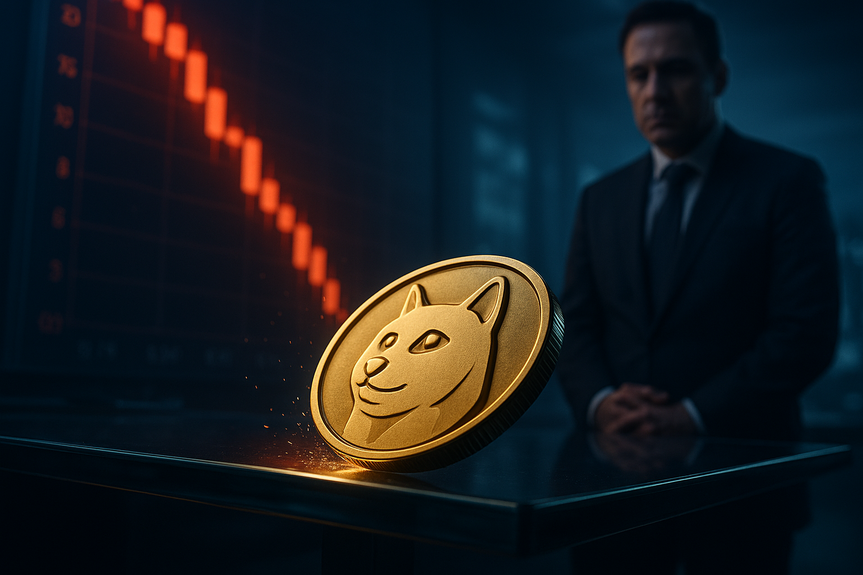
Elon Musk told The Economist that he got too involved in politics and the Department of Government Efficiency, widely called DOGE. Soon after the interview was published, Dogecoin fell more than 5%, slipping from about $0.072 to near $0.068. The government DOGE and Dogecoin are unrelated, but the shared name and Musk’s past jokes and support have long tied the coin’s moves to his words. Traders reacted fast, as they often do when Musk posts or speaks.
Dogecoin drop after Musk comments: what changed and why it moved
The headline and the price move
Musk said he had been too involved in politics and should have focused more on his companies. That line grabbed attention. Within hours, Dogecoin slid below $0.07. The intraday drop was over 5% from its level before the interview went live. The coin was already down about 5% over the prior week, so the headline added to recent weakness.The link between DOGE and DOGE, explained
The Department of Government Efficiency used the DOGE acronym. It had nothing to do with the cryptocurrency. Musk served as a special government employee for a limited time in 2025, and the initiative ended in July 2026. Still, traders often connect Musk and Dogecoin. The shared letters kept that mental link alive. So when he reflected on that work, markets treated it like fresh Musk-DOGE news.Why the market cares
– Many memecoin holders trade on sentiment, not cash flows or use cases. – Musk’s mentions have moved Dogecoin many times in the past. – When a familiar trigger reappears, algorithms and momentum traders often act first. – Thin order books can speed up moves when many users try to exit at once.How social media and star power move memecoins
The Musk effect in simple terms
When a large audience sees a short message, many try to buy or sell at the same time. That rush widens spreads and drains liquidity. A small nudge can become a big swing. Dogecoin has shown this pattern for years: tweets, jokes, TV spots, or interviews can spark fast spikes or dips.Why volatility spikes so fast
– Bots scan social feeds for keywords like “DOGE” or “Dogecoin.” – They place orders within milliseconds, before most humans react. – Retail traders follow, pushing the first move further. – If prices break common levels, forced liquidations can add fuel.What this means for you
If you hold a memecoin, news risk is part of the package. If you trade it, you should plan for gaps, slippage, and reversals. A calm plan helps more than a lucky guess.Practical ways to limit losses during headline shocks
Before the news hits
- Set position size rules. Risk a small part of your capital on any single coin. Many use 1%–2% per trade.
- Use stop-loss orders. Place them at levels that reflect your risk, not your hopes. Consider a buffer to avoid random wicks.
- Avoid high leverage. Leverage can turn a 5% dip into a total loss. If you use it, keep it low and define your exit.
- Plan your exit in advance. Write down the price or signal that makes you cut a losing trade. Then follow it.
- Diversify. Do not park all funds in one memecoin. A mix reduces the hit from a single headline.
While the price is swinging
- Use limit orders, not market orders. This can reduce slippage when spreads widen.
- Scale out in steps. Sell in parts at set prices to avoid panic selling at the worst tick.
- Watch liquidity. If the order book is thin, accept that fills may be partial or delayed.
- Do not chase the first bounce. Many sharp drops retrace, then retest the lows. Wait for a clear higher low or strong volume reclaim.
After the move settles
- Journal the trade. Note what you saw, what you did, and what you will change next time.
- Rebalance. If one coin grows too large in your portfolio after a rally, trim it back to target size.
- Consider dollar-cost averaging. If you believe in the asset long term, small, regular buys can smooth timing risk.
Signals and tools to watch before the next headline
Market structure and flows
- Funding rates and open interest. Rising funding and OI can mean crowded longs. Crowds unwind fast when news turns.
- Order book depth. Thin books mean the next shock can move price more.
- Spot vs. futures divergence. If futures lead a dump while spot lags, forced selling may be in play.
On-chain and liquidity hints
- Exchange inflows. Rising inflows can signal selling pressure building.
- Whale wallets. Large transfers to exchanges can front-run bigger moves.
Sentiment and attention
- Social volume alerts. Spikes in “Dogecoin,” “DOGE,” or “Elon” mentions often precede volatility.
- News scanners. Set alerts for interviews, earnings, or legal news that involve high-profile figures linked to the coin.
A simple playbook for a 5% intraday dip
Step-by-step actions
- Pause for five minutes. Read the actual headline. Confirm if it is a rumor or a direct quote, as in the Dogecoin drop after Musk comments.
- Check the chart. Mark pre-news price, first support, and intraday low. Do not guess; mark levels.
- Measure volume. Heavy sell volume into support may warn of another leg down. Light volume can hint at a bounce.
- Decide by your plan. If your stop is hit, exit. If not, consider scaling out 25%–50% to cut risk and keep flexibility.
- Avoid revenge trades. If you exit, do not jump back in on impulse. Wait for a base or a reclaim of a key level.
Longer-term view: what matters beyond the next tweet
Know what you own
Dogecoin is a memecoin with a large community, fast blocks, and low fees. It does not have a fixed supply cap like Bitcoin. Its value often tracks attention more than cash flows or utility. That is not bad or good; it is simply the nature of the asset.Focus on durable drivers
- Network activity. Daily transactions and active addresses show real use.
- Integration. New payment options or merchant support can help long-term demand.
- Developer updates. Even small improvements can build confidence over time.
Balance hype with risk
High-profile mentions can lift price quickly, but they can also fade just as fast. Plan for both. Use risk tools every time you trade, not only when headlines hit. The goal is to stay in the game long enough for your good decisions to compound.Turning a headline into a habit
This episode is a clear reminder: the market still responds to Musk. It also shows that confusion, like the DOGE acronym overlap, can drive quick trades. You cannot stop headlines, but you can shape your response. Build rules, size positions well, and use orders that protect you when the screen turns red. If you trade or invest in memecoins, accept that attention is a feature, not a bug. Price will move with it. Your edge is not guessing the next quote; it is controlling what you risk, how you exit, and when you re-enter. Do that, and a Dogecoin drop after Musk comments becomes a manageable event, not a disaster.(Source: https://finance.yahoo.com/markets/crypto/articles/dogecoin-slides-elon-musk-says-185155558.html)
For more news: Click Here
FAQ
Q: What happened when Elon Musk said he “got carried away” with politics?
A: Dogecoin slid more than 5% after Musk’s interview, dropping from about $0.072 to near $0.068 within hours. The Dogecoin drop after Musk comments showed how quickly memecoins can move on headlines tied to Musk and the shared DOGE acronym.
Q: Was the Department of Government Efficiency connected to Dogecoin?
A: No, the Department of Government Efficiency and the cryptocurrency Dogecoin are unrelated, though they shared the DOGE acronym. Traders linked them in sentiment because Musk was a visible figure in the initiative and has long publicly supported the memecoin.
Q: How large was the price move during this episode?
A: Dogecoin fell from roughly $0.0723 before the interview to about $0.0685, a decline of more than 5% from its pre-publication level according to CoinMarketCap data. The coin was also down around 4.9% over the prior seven days, so the headline added to recent weakness.
Q: Why do Musk’s comments affect Dogecoin even when they’re not about the coin?
A: Musk’s past tweets, jokes, and endorsements have tied market sentiment to his activity, prompting fast reactions from algorithms and momentum traders. Thin order books and bots scanning for keywords can magnify those reactions into sharp intraday swings.
Q: What risk-management steps can traders take before a headline hits to limit losses?
A: Set position-size rules (many traders use 1%–2% per trade), place stop-loss orders with sensible buffers, avoid high leverage, and write down exit plans in advance. Diversifying across assets also reduces the impact of a single headline-driven move.
Q: What tactics help reduce losses while Dogecoin is swinging sharply?
A: Use limit orders rather than market orders to curb slippage, scale out in steps to avoid panic selling, and monitor liquidity since fills may be partial or delayed. Also avoid chasing the first bounce and wait for a clear higher low or strong volume reclaim before re-entering.
Q: After the dust settles from a Dogecoin drop after Musk comments, what follow-up actions are recommended?
A: Journal the trade to record what you saw and what you will change next time, rebalance any oversized positions, and consider dollar-cost averaging if you believe in the asset long term. These steps turn a headline shock into a learning opportunity and help protect future performance.
Q: What signals and tools can help anticipate or confirm headline-driven volatility in memecoins?
A: Watch funding rates and open interest for crowded positions, order book depth for thin liquidity, and spot versus futures divergence for forced-selling risks. Also monitor exchange inflows, large wallet transfers, social volume alerts, and news scanners for spikes in mentions that often precede rapid moves.
* The information provided on this website is based solely on my personal experience, research and technical knowledge. This content should not be construed as investment advice or a recommendation. Any investment decision must be made on the basis of your own independent judgement.
Contents