AI News
06 Aug 2026
Read 10 min
AI teen mental health monitoring: How to spot crises early
AI teen mental health monitoring detects rising risks via social posts so families can intervene early
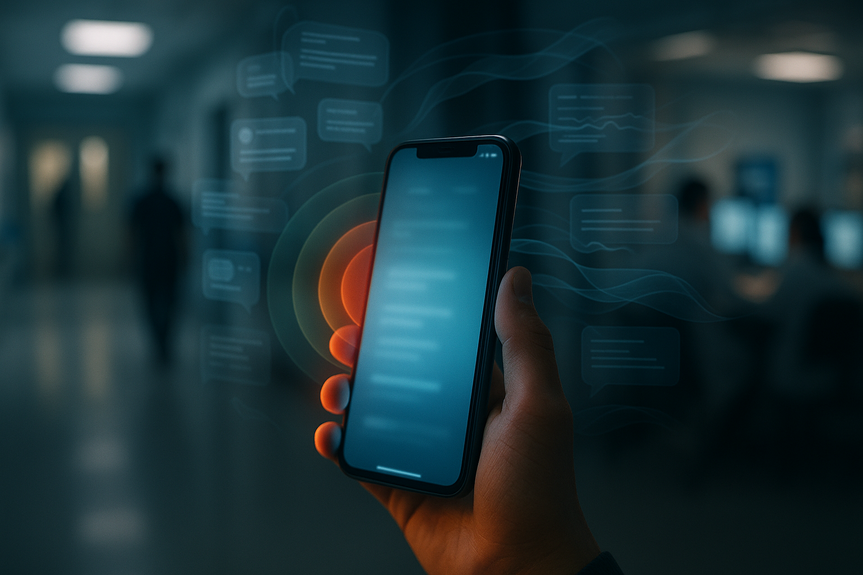
AI teen mental health monitoring uses patterns in social media posts to spot early warning signs of crisis. A new tool from Georgia Tech and Children’s Healthcare of Atlanta studies language, clicks, and shares to send quick, right-time nudges. It aims to alert teens and caregivers before danger grows.
Georgia Tech and Children’s Healthcare of Atlanta are building an AI tool that looks for risk signals in teen social media activity. The research team has studied online behavior for more than a decade. They report that word choices, what teens engage with, and what they share can mark shifts in mood and safety. The goal is simple: give the right help at the right time, without replacing parents, doctors, or therapists.
The system is being tested with donated data from CHOA patients ages 13 to 17, with family consent. Researchers say they talk openly with families about how data is used. They want trust, privacy, and clear limits. Early results suggest that short, well-timed messages can nudge a teen to pause, reflect, and reach out.
Language patterns: shifts in tone, word choice, and topics
Engagement: what posts a teen likes, comments on, or saves
Exposure: the kinds of content that show up in their feed
Sharing: links or posts that may reflect rising distress
Researchers say AI can connect small, harmless cues into a bigger picture. One cue alone may mean nothing. Many cues together can warn of risk. This is where the tool can add value beyond what a parent or teacher might see day to day.
Teen-only nudge: a brief message prompts a pause and offers help options
Caregiver alert: when risk appears higher, a parent or guardian gets notified
Emergency alert: in acute danger, the system could notify the proper authorities
The team is testing each message with teens to make sure it helps, not harms. They also limit alerts to one to three messages. The AI is not a therapist or a buddy. It is a safety agent that flags concern and points to help.
It does not replace clinical care, counseling, or emergency services
It does not read minds or guarantee perfect predictions
It does not aim to track everything a teen does
Parents should see it as one layer in a larger plan. That plan still needs empathy, safe routines, and access to care.
Clear consent that teens and caregivers understand
Data minimization so only needed signals are used
Guardrails to prevent constant surveillance
Ongoing bias checks to protect all teens, including marginalized groups
Ethical design of AI teen mental health monitoring must center dignity, choice, and fairness, not just accuracy. Trust grows when families know who sees alerts, how often, and what happens next.
Ask your teen how they feel about gentle, private nudges if risk goes up
Agree on who should be alerted and in what order
Save crisis contacts on your teen’s phone (family, doctor, school counselor)
Set clear steps for when an alert arrives: pause, check in, connect to help
Combine AI tools with existing parental controls and time limits
Schedule regular, judgment-free check-ins about online life
If you or your teen is in immediate danger, call 911. In the U.S., you can also dial or text 988 for the Suicide & Crisis Lifeline.
Do short nudges help teens choose safer actions?
Do alerts reach the right adult fast enough?
Do false alarms stay low while true risks stay high?
Does it work across cultures, languages, and platforms?
Can families without new phones or fast internet still benefit?
How should schools, doctors, and parents respond to alerts?
What training do caregivers need to act with care, not panic?
Georgia Tech Professor Dr. Munmun De Choudhury says the aim is timely help. CHOA’s Dr. John Constantino adds that smartphones are powerful and need guardrails. Together, their teams want to save lives by making a fast, private, and helpful first step possible.
In the end, AI teen mental health monitoring is not a cure-all. It is a new safety rail on a road many teens travel every day. Used with empathy, clear consent, and real conversation, it can help families spot danger sooner and act with care when every minute counts.
(Source: https://www.wrdw.com/2026/08/01/ai-tool-aims-catch-teen-mental-health-crises-using-social-media-data/)
For more news: Click Here
How AI teen mental health monitoring works
Signals that matter
Three levels of alerts
Benefits and limits parents should know
Why social data can help
Many teens live much of their social life online. If adults ignore that space, they may miss key warning signs. Hospital leaders note that while only a small share of pediatric ER visits involve behavior crises, almost half of those involve suicidal thoughts or actions. Thoughtful guardrails on smartphones can reduce risk. AI teen mental health monitoring may become one such guardrail when used with existing parental controls and real conversation at home.What the tool does not do
Privacy, consent, and ethics
The project uses voluntary data donations from CHOA patients aged 13–17. Families decide what to share and when. Researchers explain how the data supports science and safety. They seek to reduce bias, prevent misuse, and keep information secure. Good practice includes:How families can prepare now
Start with open talk
Build a simple response plan
Use tools together, not alone
What researchers are watching next
Effectiveness and safety
Fairness and access
Real-world rollout
FAQ
Q: What is AI teen mental health monitoring and what does the Georgia Tech tool aim to do?
A: AI teen mental health monitoring refers to the Georgia Tech and Children’s Healthcare of Atlanta project that analyzes social media signals to identify when a young person may be at risk of a harmful mental health event. The tool is based on a decade and a half of research and aims to provide the right support at the right time without replacing parents, doctors, or therapists.
Q: Which social media signals does the tool analyze to spot early warning signs?
A: Researchers say AI teen mental health monitoring looks at language patterns (tone, word choice, topics), engagement (likes, comments, saves), exposure to certain content, and what teens share. By combining these otherwise benign cues, the system can detect patterns that may indicate rising distress.
Q: Whose social media data is being used for testing, and how is consent handled?
A: The study uses voluntary data donations from Children’s Healthcare of Atlanta patients ages 13 to 17, and researchers work with families to be transparent about how the data will be used. Families decide what to share and when, and researchers emphasize trust, privacy, and clear limits.
Q: How do the tool’s alert levels work and who receives them?
A: The AI teen mental health monitoring tool sends three levels of messages: a teen-only nudge that encourages pause and offers help options, a caregiver alert if risk appears higher, and an emergency alert that could notify authorities. Researchers are testing these messages with teens and limit the system to sending only one to three messages.
Q: Can the AI replace therapists, parental controls, or emergency services?
A: No, the tool is not designed to be a therapist or buddy and does not replace clinical care, counseling, or existing parental controls. Researchers describe it as an agent of opportunity that flags concern and points to help rather than serving as a substitute for human support.
Q: What privacy and fairness safeguards do researchers include in the project?
A: AI teen mental health monitoring in this study emphasizes clear consent from teens and caregivers, data minimization so only needed signals are used, and guardrails to prevent constant surveillance. Researchers also conduct ongoing bias checks, explain data use to families, and seek to keep information secure to prevent misuse.
Q: What are the main limitations or risks of using this type of social media monitoring?
A: The tool does not read minds or guarantee perfect predictions, so false alarms and missed cases are possible and researchers are studying effectiveness and safety. The article stresses that the system is not a cure-all and should be used as one layer alongside empathy, safe routines, and access to care.
Q: How can families prepare now if they are considering AI teen mental health monitoring?
A: Families can start with open conversations about gentle, private nudges and agree on who should be alerted and in what order, and they should save crisis contacts on the teen’s phone. They should also combine any AI tool with existing parental controls, build a simple response plan, and schedule regular, judgment-free check-ins.
Contents