AI News
17 Aug 2026
Read 9 min
Broken Arrow schools back-to-school changes 2026 How to prep
Broken Arrow schools add AI tutoring, doubled recess and RFID bus tracking to boost safety, learning
Broken Arrow schools back-to-school changes 2026 include AI learning tools, longer recess, RFID bus tracking at five pilot schools, and a full-day cell phone ban. Parents should update bell times, set up the bus app, attach the student swipe card to the backpack, and talk with kids about classroom AI and phone rules.
Families in Broken Arrow will see real updates as school starts. The district says AI will support deeper learning, not quick answers. Recess doubles for grades K–5, which shifts the bell schedule by a few minutes on both ends. A new bus pilot uses swipe cards so students get on the right bus, and phones must be off all day.
Talk with your child about using AI as a guide, not a shortcut.
Expect teachers to lean on data to support skills that need work.
Make a homework plan that focuses on steps and reasoning, not just final answers.
Check your school’s updated bell times and adjust morning routines.
Pack sneakers and weather‑ready clothes for outdoor play.
Send a water bottle with a name label.
Aspen Creek Elementary
Country Lane Intermediate
Country Lane Primary
Creekwood Elementary
Wolf Creek Elementary
How to prep:
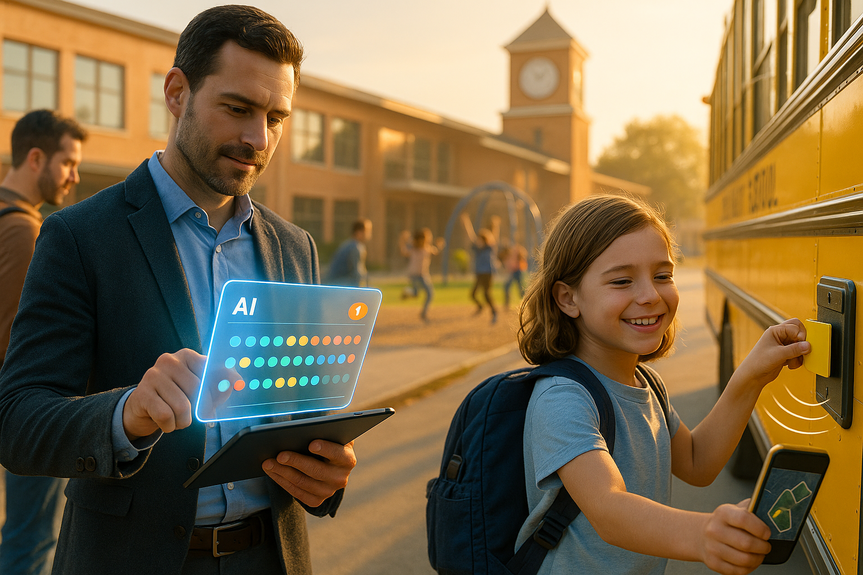
Attach the RFID card securely to the backpack and teach your child how to swipe.
Download and sign in to the bus app before the first day.
Practice the bus number and stop location with your child.
Build a 5–10 minute buffer for the first week as routes settle.
As you plan for the Broken Arrow schools back-to-school changes 2026, set up the bus app early and run a mock morning so your student feels confident.
Agree on where the phone will stay during the day (locker, backpack, or at home).
Set notifications to silent and disable alarms during school hours.
Tell family and caregivers to contact the school office for urgent needs.
Confirm enrollment, bus route, and pickup/drop‑off times.
Label the backpack, water bottle, RFID card, and lunch box.
Charge devices that are allowed and pack approved accessories only.
Set earlier bed and wake times one week before school starts.
Do a practice commute to learn the timing.
Review the new bell schedule that supports longer recess.
Talk about how AI can help with steps, not just answers.
Create a quiet homework space with needed supplies.
Set a 10–15 minute reading block each night.
Review bus rules and the swipe process at pilot schools.
Save the school office number in your phone.
Plan a family check‑in time after school for the first week.
AI helps you learn; you still do the thinking.
Recess is longer; drink water and listen to staff.
Swipe your bus card and double‑check your bus number.
Phones stay off and put away until the day ends.
These Broken Arrow schools back-to-school changes 2026 aim to protect time for play, improve safety on buses, sharpen learning with AI, and cut distractions. With a few small steps now, your family can start strong and stress less.
The Broken Arrow schools back-to-school changes 2026 bring clear rules and useful tools. Prepare your routines, set up the bus app, attach the swipe card, and talk about AI and phone expectations. A little planning today will make the first week smoother for everyone.
What the Broken Arrow schools back-to-school changes 2026 mean for your family
AI in class: deeper learning, early help
The district will use classroom AI to push students beyond copy‑and‑paste answers. The goal is better thinking and stronger skills. AI will also watch progress and flag when a student falls behind. Teachers get alerts about what a student needs, then reteach that part. How to prep:Recess is now 40 minutes: schedule tweaks
A new state law doubles daily recess for K–5 from 20 to 40 minutes. To meet the law, elementary schools added 3 minutes before the day starts and 3 minutes after. Leaders say the small change should not hurt learning time but helps kids move more. How to prep:Bus safety pilot: RFID cards and parent tracking
Five schools will test an RFID swipe system so students board the correct bus. Each student will carry a card on their backpack and swipe when entering. Parents can open the district’s bus app to confirm their child is on the right bus and follow the route. Pilot schools:Cell phones: off and put away
A statewide rule now bans student phone use from the opening bell to the closing bell. Phones must be turned off and stored. This supports focus and reduces distractions in class. How to prep:Simple prep checklist for a smooth first week
Documents and supplies
Daily routine
Learning habits
Safety and communication
What to tell your child on day one
For more news: Click Here
FAQ
Q: What are the main changes families should expect with Broken Arrow schools back-to-school changes 2026?
A: Broken Arrow schools back-to-school changes 2026 include classroom AI tools for deeper learning and progress monitoring, K–5 recess doubled to 40 minutes, an RFID bus-tracking pilot at five schools, and a statewide cell phone ban during the school day. Parents should update bell times, set up the bus app, attach the student swipe card to backpacks, and talk with children about AI and phone rules.
Q: How will AI be used in classrooms?
A: The district will use AI to push students beyond simply looking something up and to support deeper learning rather than shortcuts. AI will also monitor student progress and flag when students fall behind so teachers can reteach targeted skills.
Q: How has recess changed and did bell schedules change because of it?
A: A new state law doubles daily recess for kindergarten through 5th grade from 20 to 40 minutes, and the district added three minutes before school and three minutes after the day to meet that requirement. Superintendent Chuck Perry said the small shifts were made to comply with the law and likely do not make a meaningful difference overall.
Q: Which schools are part of the RFID bus safety pilot and how does the swipe system work?
A: The pilot is being tested at Aspen Creek Elementary, Country Lane Intermediate, Country Lane Primary, Creekwood Elementary, and Wolf Creek Elementary. Students will carry an RFID card on their backpack and swipe when boarding, and parents can use the district bus app to confirm their child is on the correct bus and track the route.
Q: What should parents do to prepare for the new bus tracking pilot?
A: Parents should attach the RFID card securely to the backpack, teach their child how to swipe, and download and sign in to the district bus app before the first day. They should also practice the bus number and stop with their child and build a five to ten minute buffer during the first week as routes settle.
Q: What are the new rules about cell phone use at school?
A: An Oklahoma law now bans students from using cell phones from the opening bell to the closing bell, so phones must be turned off and put away during the school day. Families are advised to agree where phones will stay (locker, backpack, or at home) and to tell caregivers to contact the school office for urgent needs.
Q: How can families prepare children for classroom AI and homework expectations?
A: Talk with your child about using AI as a guide, not a shortcut, and create homework plans that focus on steps, reasoning, and skill practice rather than just final answers. Expect teachers to use AI data to identify gaps and then reteach targeted areas as needed.
Q: What quick checklist should families follow to start the year smoothly?
A: Confirm enrollment and bus route, label the backpack, water bottle, RFID card and lunch box, charge allowed devices, and download the bus app; also set earlier bed and wake times and practice the commute to learn timing. These simple steps reflect the main points of the Broken Arrow schools back-to-school changes 2026 and will help your family start the first week more smoothly.
Contents