Crypto
03 Sep 2026
Read 12 min
how to buy memecoins with credit card and earn rewards *
how to buy memecoins with credit card and earn rewards while avoiding coding and compliance pitfalls
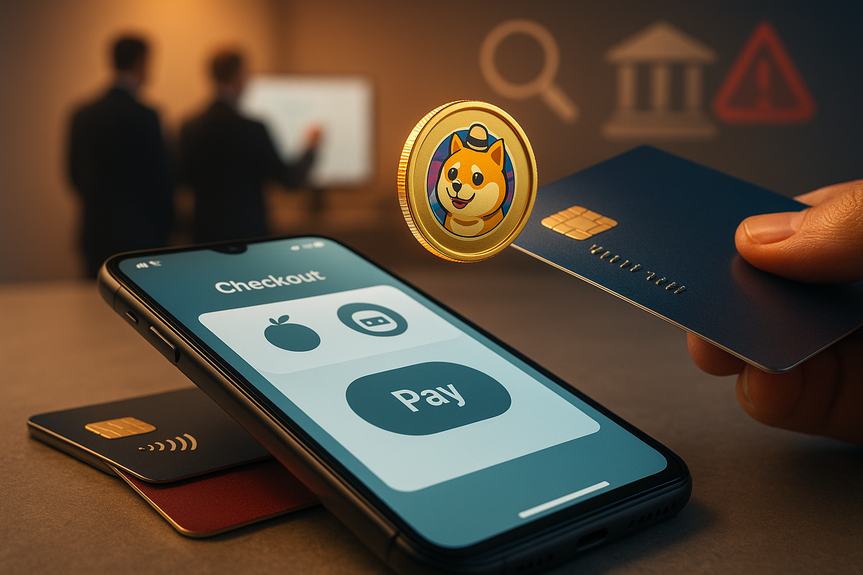
Want a fast way to get into memes on-chain? Here’s how to buy memecoins with credit card inside popular wallet apps using Apple Pay or Google Pay, often earning normal card rewards. You pick a token, check out like a digital purchase, and the coins land in your wallet. Read on for steps, fees, and risks.
Memecoins move fast, but buying them does not have to be hard. New checkout flows inside apps like Fomo and Robinhood Wallet now let you use a credit card through Apple Pay or Google Pay. In recent reporting, these purchases posted as “digital goods” instead of “crypto,” so they earned normal card points or cash back. That may change as banks and card networks review how these transactions get coded, but the process today feels like buying a movie or audiobook online. This guide explains the steps, where it works, what you’ll pay, how rewards show up, and what to watch out for before you tap to buy.
Download Fomo or Robinhood Wallet from your app store.
Create or import a self-custody wallet. Save your recovery phrase offline.
Enable Apple Pay or Google Pay on your device and add your credit card.
Open the in-app token list and search for a memecoin like WIF.
Check the network (Solana, Ethereum, etc.) and confirm the token’s contract.
Note: Not every token is eligible. Apps whitelist coins they view as “collectibles” or “closed-loop” tokens and only allow secondary sales.
Tap Buy and choose Apple Pay or Google Pay at checkout.
Confirm the amount, review any fees, and approve with Face ID, Touch ID, or your passcode.
There is usually no separate KYC step for these specific memecoin buys.
Your memecoins settle in your wallet within minutes in most cases.
Track price, set alerts, or choose to swap into other assets within the app if available.
Remember that swaps may trigger different fees, spreads, and tax outcomes.
This walkthrough shows how to buy memecoins with credit card inside supported apps in a simple, familiar flow. You check out like a normal digital purchase, and the token appears in your wallet.
Fomo: A social trading app that lets users buy select memecoins via Apple Pay/Google Pay. Earlier reporting shows a large jump in active traders after launch.
Robinhood Wallet: A self-custody wallet with similar token checkout for eligible memecoins.
Both use crypto infrastructure from Crossmint to power the embedded card checkout. The provider screens which tokens qualify as digital collectibles or closed-loop tokens, and it says it monitors AML and fraud. Support varies by region and by token. Primary sales are not allowed through this flow; it targets secondary market purchases only.
Focus is on fungible tokens tied to memes, trends, or communities.
“Payment” tokens and anything acting like a security are excluded.
Lists can change. Some tokens may be removed after internal reviews.
Always check the token’s status before you buy. If a coin is missing or disabled, you may need a different on-ramp method.
Processing fee: The checkout may include a fixed or percentage fee.
Spread/slippage: Market prices can move during the purchase window.
Network fees: Generally small on faster chains but can rise during spikes.
Check the confirmation screen for total cost before approving payment.
No rewards for future buys.
Rewards clawbacks in rare cases if transactions are recharacterized.
Cash-advance treatment if a bank views it as quasi-cash (higher fees, no grace period). Always check your card’s terms.
Use a general rewards card that excludes fewer categories.
Start small and confirm how the transaction posts on your statement.
Track your points to spot any changes or adjustments.
Card networks have their own codes and flags for crypto. Classifying a token as a “collectible” for securities law does not control how card networks treat it.
Banks and networks can review transactions and change how they must be coded. That can affect fees, rewards, or even availability.
These memecoin buys often do not prompt a separate identity check at checkout.
The provider says it applies AML monitoring with a fraud team behind the scenes.
Your bank still monitors for risk and can block suspicious activity.
Memecoins can lose most of their value quickly.
Token lists, card eligibility, and rewards rules can change without notice.
If you swap tokens after purchase, you may face different risks and tax rules.
None of this is investment or legal advice. Only spend what you can afford to lose, and keep good records for taxes.
Buy a stablecoin like USDC with a debit card, then swap to a memecoin.
Some exchanges require full KYC for card-funded buys regardless of asset type.
Move funds from another wallet or exchange into your self-custody wallet.
Swap to your target memecoin once funds arrive.
Some apps support third-party onramps that accept different payment methods.
Compare total fees, limits, and settlement speed before you choose.
Make a tiny test purchase to confirm the token contract and network.
Check your statement to see the posted merchant category and fees.
Back up your recovery phrase offline and never share it.
Use biometric lock and strong device security.
Beware of copycat tokens with similar tickers or logos.
Avoid links from DMs or random posts; use in-app token lists or trusted explorers.
Do not carry a balance on high-APR cards; interest kills any rewards.
Mind daily or monthly limits that could trigger extra checks.
Save receipts and on-chain transaction IDs for taxes.
Note the MCC and description lines if you are optimizing rewards.
Buying memes with a card feels like a simple digital purchase, but things can shift fast. Networks can update rules, banks can block or reclassify transactions, and token lists can change overnight. Move carefully and keep learning.
If you want a quick, app-native path into meme markets, learning how to buy memecoins with credit card is a useful skill. You get a simple checkout, instant delivery to your wallet, and, for now, potential rewards on some cards. Just confirm fees, watch how the charge posts, and stay ready for policy changes that could affect costs or points.
(Source: https://www.theblock.co/news/business/2026-09-01-buying-memecoins-with-credit-cards-on-robinhood-wallet-fomo-sidestep-card-network-crypto-rules-411911)
For more news: Click Here
How to buy memecoins with credit card: step-by-step
Set up your wallet app
Pick a supported token
Checkout with your card
Receive and manage your tokens
Where this works today
Apps using integrated token checkout
Token eligibility notes
Fees, limits, and how rewards may apply
What you might pay
Why some cards earned points
Recent tests showed these buys posting under a “digital goods” merchant category code (MCC). That meant normal purchase rewards could apply. Some banks, including large issuers, have said they are reviewing whether this coding is correct for crypto-related activity. If networks reclassify these transactions as crypto or cash-like, you could see:Practical tips on rewards
Compliance and risk basics
Different rulebooks, different outcomes
KYC and monitoring
Market and product risk
Alternatives if your card is declined
Use a debit route
Transfer in crypto
Try another on-ramp
Best practices to stay safe and organized
Start small and verify
Protect your wallet
Watch for red flags
Control costs
Track your activity
FAQ
Q: What is the simplest way to learn how to buy memecoins with credit card in apps like Fomo or Robinhood Wallet?
A: Use Fomo or Robinhood Wallet’s embedded token checkout powered by Crossmint, add your credit card to Apple Pay or Google Pay, pick a whitelisted memecoin and approve the purchase with Face ID/Touch ID or passcode. These buys typically do not require a separate KYC step and the memecoins usually settle directly to your self-custody wallet within minutes.
Q: Which apps support in-app credit card memecoin purchases and who powers the checkout?
A: Fomo and Robinhood Wallet both offered in-app card purchases for selected memecoins and use Crossmint’s token checkout to integrate Apple Pay and Google Pay. Crossmint says it whitelists eligible tokens, applies AML and fraud monitoring, and support varies by region and token.
Q: Will I need to complete identity verification to buy memecoins with credit card through these flows?
A: For the Crossmint-powered memecoin buys in Fomo and Robinhood Wallet, users often do not face a separate KYC flow at checkout, according to reporting. Crossmint also says the checkout includes AML monitoring, while other platforms like Coinbase require identity verification for card-funded crypto purchases and do not support credit cards in the U.S.
Q: How do these purchases appear on my credit card statement, and can they earn rewards?
A: The Block’s tests found memecoin buys posted under MCC 5815 as “digital goods media,” which in those cases allowed ordinary card rewards to post. Chase disputed the categorization and opened a case with Visa, and card networks generally require crypto purchases to use specific MCCs (like 6012 or 6051) and special flags, so classifications can change.
Q: Could my card issuer revoke rewards or treat the purchase as a cash advance after I buy memecoins with credit card?
A: Yes; banks and card networks can review and reclassify transactions, which may lead to rewards being disallowed or clawed back and, in some cases, a charge being treated as quasi-cash or a cash advance with higher fees. The article cites Chase’s rewards terms excluding “cash-like transactions including … cryptocurrency” as an example of how issuers determine eligibility.
Q: Which memecoins are eligible for in-app credit-card checkout and which tokens are excluded?
A: Crossmint and partner apps whitelist memecoins they consider digital collectibles or closed-loop tokens and support secondary sales of those fungible tokens, with reporting naming examples like WIF, Fartcoin and PENGU. The product excludes primary sales, payment tokens, investment-style tokens and anything acting as a security or falling under money transmission laws, and token lists can change.
Q: What can I do if my credit card is declined when trying to buy a memecoin in these apps?
A: Alternatives include buying a stablecoin such as USDC with a debit card and then swapping to the memecoin, transferring crypto from another wallet into your self-custody wallet, or using different on-ramp providers that accept other payment methods. The article advises comparing total fees, limits and settlement speed before choosing another route.
Q: What safety steps should I take before attempting to buy memecoins with credit card?
A: Start with a small test purchase to confirm the token contract and how the charge posts, check the confirmation screen for total fees, and back up your wallet recovery phrase offline while using strong device security and biometric locks. Also keep receipts and on-chain transaction IDs for taxes, watch for copycat tokens, and avoid carrying a balance on high-APR cards that would negate rewards.
* The information provided on this website is based solely on my personal experience, research and technical knowledge. This content should not be construed as investment advice or a recommendation. Any investment decision must be made on the basis of your own independent judgement.
Contents