Crypto
22 Sep 2026
Read 11 min
Lab-grown diamond price crash 2026: How to profit *
lab-grown diamond price crash 2026 creates rare buying opportunities to secure inventory and profit
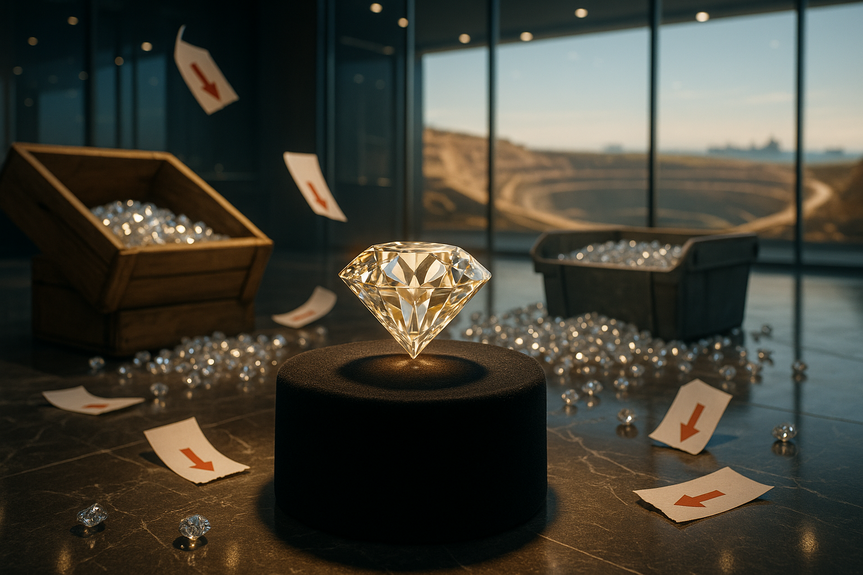
The lab-grown diamond price crash 2026 is reshaping jewelry and mining. Wholesale prices for synthetic stones have fallen more than 75% since 2022, and natural diamond prices sit 30–40% below 2021 highs. China’s output keeps rising. Winners focus on value, speed, and niche demand. Losers hold aging inventory and old stories.
Natural diamond prices have fallen to their lowest levels in over two decades. A typical 1-carat natural round now sells at retail for about $3,530 to $3,860. Demand is weaker, inventory is heavy, and a wave of lab-grown stones—chemically identical to natural—now sells for 70–85% less. Since March 2025, lab-grown prices dropped about 30%, while similar natural stones fell roughly 4%. For mid-tier buyers and sellers, this is a reset, not a blip.
Shoppers who want sparkle, not status. They can get a larger look for less and spend savings on a better setting or honeymoon.
Agile retailers who turn inventory fast, price transparently, and use lab-grown to drive store traffic and upsell settings, bands, and care plans.
Dealers who specialize in rare natural stones with top color, clarity, and size, where scarcity and story still command strong bids.
Retailers holding old lab-grown inventory bought at higher costs. Each month of delay can erase margin.
Miners and nations tied to mid-tier natural stones. Lower sales hit revenue, taxes, and jobs. Reports of severe sales declines show how deep the pain runs.
Buyers who paid peak prices for mid-tier natural stones and expect strong resale. Liquidity is thin, and trade-ins face stricter grading and lower offers.
Buy for love and use, not for resale. Treat lab-grown like a phone, not a bond. Enjoy the look and the savings.
Compare total package value. Put more budget into craftsmanship of the setting, prong work, and warranty. These hold daily value even if the center stone falls in price.
Ask for transparent pricing. Request separate line items for the center stone, setting, certification, and care plan. This helps you negotiate.
Check certification. Even for lab-grown, ask for a grading report from a reputable lab. Cut quality drives beauty more than small bumps in clarity.
Time your purchase. Holiday promos and inventory clear-outs can stack discounts on already lower lab prices.
Turn inventory faster. Set a strict aging policy. Discount or return slow SKUs before the next price cut lands.
Lead with design and speed. Offer same-week custom settings and quick resizing. Win on service, not on the commodity stone.
Bundle value. Pair lab-grown centers with premium settings, lifetime cleanings, and protection plans. Protect margin with services.
Segment the case. Keep lab-grown and natural clearly marked. Show why a natural premium exists for rare goods, not for mid-tier overlap.
Use dynamic pricing. Track weekly wholesale quotes and online comps. Adjust tags quickly to stay competitive and liquid.
Focus on niches with barriers. High-end natural auctions, bespoke design houses, and branded settings have stickier margins than commodity stones.
Watch upstream signals. Capacity additions, reactor efficiency gains, and export trends from China are leading indicators for the next leg down or a pause.
Mind geopolitical risk. Tariffs, trade rules, or certification changes can shift flows and spreads in weeks, not years.
Avoid heavy debt on melting collateral. Falling diamond prices can strain loan covenants and inventory-based credit lines.
Natural diamond prices are about 30–40% below 2021 peaks.
Retail price for a mainstream 1-carat natural round: roughly $3,530–$3,860, depending on cut, color, and clarity.
Wholesale lab-grown prices are down more than 75% since 2022.
Change since March 2025: lab-grown down 29.9%; comparable natural stones down 4.0%.
China’s share of synthetic output: over 60%, with exports up 65.3% year over year in H1 2026.
Best resilience: rare, large, high-color, high-clarity natural stones and named provenance pieces.
Falling floor risk. New, lower wholesale quotes can arrive without warning. Price to move, not to hope.
Grading gaps. Not all labs grade the same. Stick to well-known reports to protect trust and resale options.
Resale reality. Expect low buyback offers on lab-grown. If you buy, plan to keep and enjoy.
Inventory illusion. A showcase full of lab-grown looks like wealth, but prices can drop while you sleep. Manage exposure.
Policy shocks. A tariff or labeling rule can change relative pricing and routes overnight.
What is driving the lab-grown diamond price crash 2026?
Oversupply meets fast tech
China now produces more than 60% of the world’s synthetic diamonds. In the first half of 2026, Chinese exports of lab-grown diamonds jumped 65.3% year over year. As more reactors switch on and yields improve, unit costs fall. Sellers race to move stock, and prices slide again.Demand shifts and a new anchor price
Many shoppers now see lab-grown as “the same look for far less.” That new anchor pulls natural prices down, especially in the mid-range. If a shopper compares a 1-carat lab-grown to a 1-carat natural, and the lab stone looks great for a fraction of the price, the natural needs a big story—or a lower tag.Two-tier squeeze on natural stones
Low lab prices hurt resale expectations for mainstream natural stones. Mid-tier naturals compete head-on with lab-grown in the bridal and fashion segments. Only very rare, very large, or very high-grade natural stones keep strong pricing. The gap between trophy gems and everyday stones is widening.Falling wholesale floors
Wholesale lab-grown prices are down more than 75% from 2022. Since March 2025, lab-grown fell another 29.9%, while natural stones of similar quality dropped 4.0%. That shows a fast-moving synthetic price floor and a slower, but steady, natural decline.Who wins and who loses now
Winners
Losers
How to profit without getting cut
For shoppers
For jewelers and resellers
For investors and operators
Pricing map: numbers to watch
Risks and red flags
Bitcoin, scarcity, and the story you sell
Diamonds are not truly fungible. Two stones with the same size can look very different. Lab-grown also broke the idea of natural scarcity in the everyday market. By contrast, Bitcoin is perfectly fungible and capped at 21 million units. You cannot print more. That clear scarcity is a simple story to tell. Diamonds still sell a story, just a different one now. For lab-grown, the story is beauty and value. For rare natural stones, the story is art, provenance, and status. Profit follows the better story told with proof: strong grading, known sources, and great craftsmanship.Outlook for 2027
If Chinese production keeps scaling, lab prices may fall further before they find a floor. Retailers that survive will be fast and service-led. Mid-tier natural stones likely face continued pressure as shoppers compare across categories. The high end of natural should stay firm, but that is a smaller pool. Watch for a shakeout among slower retailers and for brands that lean into design, speed, and transparency. During the lab-grown diamond price crash 2026, the edge goes to those who move fast, price honestly, and focus on what customers truly see: cut quality, setting craftsmanship, and service. Know your niche. Track the numbers. Use the lab-grown diamond price crash 2026 as a chance to buy smarter, sell faster, and build trust that lasts.For more news: Click Here
FAQ
Q: What caused the lab-grown diamond price crash 2026?
A: The article attributes the crash to three simultaneous forces: oversupply, weakening demand, and a flood of lab-grown stones that are chemically identical but 70–85% cheaper. Wholesale synthetic prices have collapsed more than 75% since 2022 and lab-grown prices fell about 29.9% since March 2025 versus a 4.0% decline for comparable natural stones.
Q: How steep was the price decline for lab-grown diamonds compared to natural stones?
A: Wholesale lab-grown prices have fallen more than 75% since 2022 and were down 29.9% since March 2025, while natural stones of similar quality fell about 4.0% over the same period. Overall natural wholesale values sit roughly 30–40% below 2021 peaks and a mainstream 1-carat natural round retails for about $3,530–$3,860.
Q: What role is China playing in the lab-grown diamond market slump?
A: China accounts for more than 60% of global synthetic diamond output and its lab-grown exports rose 65.3% year-on-year in the first half of 2026, which has added to supply pressure. As reactors scale and yields improve, unit costs fall, and the article says the market hasn’t found equilibrium yet.
Q: Which natural diamonds have remained resilient despite the crash?
A: The largest, rarest natural stones—high-carat, high-color, high-clarity gems and named-provenance pieces—have shown resilience and continue to command premiums. Mid-tier natural stones that compete directly with lab-grown in bridal and fashion segments are the most pressured.
Q: Who are the winners and losers from the market changes described in the article?
A: Winners include shoppers who want sparkle rather than status, agile retailers that turn inventory fast and upsell settings, and dealers who specialize in rare natural stones with scarcity-driven premiums. Losers include retailers holding old lab-grown inventory bought at higher costs, miners and nations tied to mid-tier natural stones, and buyers who paid peak prices expecting strong resale.
Q: What practical buying tips does the article recommend for consumers during the lab-grown diamond price crash 2026?
A: The article advises buying for love and use rather than resale, comparing total package value, prioritizing setting craftsmanship, and asking for transparent, separate line items for the center stone, setting, certification, and care plan. It also recommends checking reputable grading reports and timing purchases around holiday promos or inventory clear-outs to stack discounts.
Q: How should jewelers and resellers respond to falling lab-grown prices?
A: Jewelers should turn inventory faster with strict aging policies, lead with design and speed offering quick custom work, and bundle services like lifetime cleanings and protection plans to protect margin. They should also clearly segment lab-grown and natural stones and use dynamic pricing tied to weekly wholesale quotes and online comps.
Q: What risks and indicators should investors and operators monitor after the lab-grown diamond price crash 2026?
A: Investors should watch upstream signals such as capacity additions, reactor efficiency gains, and Chinese export trends, and they must mind geopolitical risks like tariffs or certification changes that can shift flows quickly. The article also warns of falling floor risk, grading gaps, weak resale markets, and advises avoiding heavy debt on inventory that can lose value rapidly.
* The information provided on this website is based solely on my personal experience, research and technical knowledge. This content should not be construed as investment advice or a recommendation. Any investment decision must be made on the basis of your own independent judgement.
Contents