Crypto
19 Oct 2026
Read 13 min
How Zcash NEAR Intents privacy fix thwarts quantum attacks *
Zcash NEAR Intents privacy fix limits future quantum linking by giving each swap its own viewing key.
Zcash developers are moving fast to stop a future quantum threat from exposing private swaps. The Zcash NEAR Intents privacy fix assigns a fresh viewing key to each swap and uses private information retrieval to find refunds without leaking which address you check. This limits what a quantum attacker could learn from a single refund address.
Zcash protects payment details today. But a public refund address posted during a cross-chain swap can leave a small clue that a powerful quantum computer might exploit in the future. That clue is the public key inside the address. A big enough quantum machine could, in theory, reverse the math on that key and learn the wallet’s viewing key. If that happened, one cracked address could reveal a long history of private payments and their memos.
Developers behind Zakura, a newer implementation that powers the Zcash network, propose a clear fix. They split viewing keys by swap, so one cracked key cannot reveal all past payments. They also add a private way for wallets to find refunds, so users do not need to scan the full chain with hundreds of keys. Software wallets that use Zakura’s open-source tools, like Vizor, could ship this soon, with hardware wallets to follow after firmware updates. The goal lines up with Zcash developers’ January target for quantum-resistant payments.
Avoid scanning the whole chain for each swap key
Recover faster after a restore
Keep refund lookups private from the server
As of now, no quantum computer can crack Zcash keys in practice. But this system reduces your exposure if a breakthrough arrives. It protects you both now and later.
Update your wallet when support ships. Wallets that integrate Zakura’s libraries, including Vizor, are expected to roll out support in the coming weeks.
Use the latest firmware on hardware wallets once updates arrive. This ensures per-swap keys and refund lookups work as designed.
Avoid address reuse on other services. Keep your footprint small across chains.
Back up your seed securely. Per-swap keys derive from your seed, so one good backup still protects you.
Adopt per-swap viewing keys in your swap flow. Keep spending keys under user control.
Integrate PIR-based refund discovery. Do not leak which addresses users check.
Test restore paths with hundreds of swap keys. Make recovery fast and private.
Offer clear UX. Show users that a swap uses an isolated key and what that means for their privacy.
Plan migrations. If you already post refund addresses, move to the new scheme with minimal user friction.
With the Zcash NEAR Intents privacy fix, builders can ship a concrete, near-term upgrade that reduces risk without waiting on uncertain timelines for large quantum machines.
Scope keys tightly to each action
Keep spending keys private with the user
Add private discovery to avoid noisy, revealing scans
Use open libraries and public audits
By doing so, other chains can lower their quantum risk while they plan for full post-quantum signatures.
The Zcash NEAR Intents privacy fix: what it changes
Why posted refunds create risk later
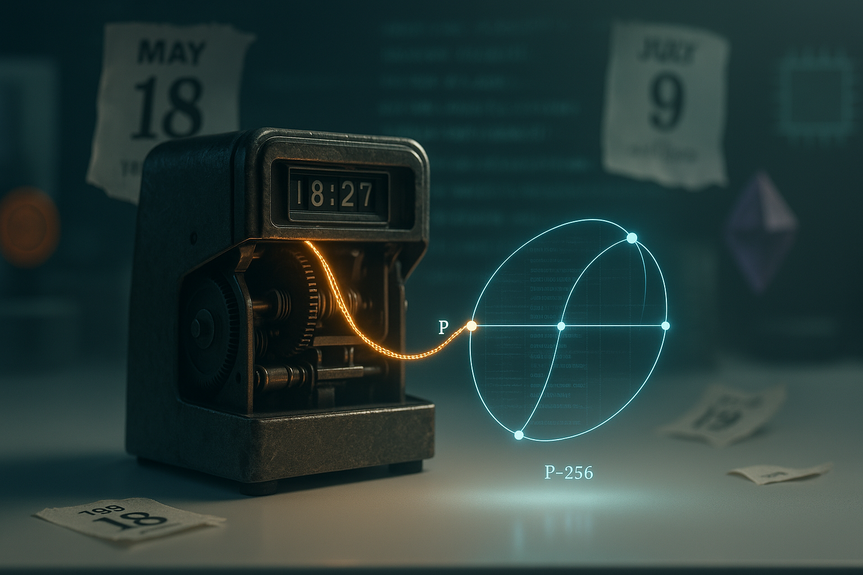
NEAR Intents lets you swap tokens across blockchains. If you deposit ZEC and want USDC back, the service needs a Zcash address to return any leftover ZEC if the swap cannot complete. That address goes on NEAR’s public chain as soon as your deposit arrives. It stays there even if no refund is needed. Today, that posted address does not leak your identity or payment history. Zcash uses strong elliptic-curve cryptography to protect the viewing key that lets a wallet see incoming payments. But a future quantum computer running Shor’s algorithm could break that cryptography and compute the viewing key from the public key in the address. If an attacker ever gets that viewing key, they can link all past payments for that wallet. They could also read amounts and memos. They cannot spend funds because spending uses a separate key. Still, your privacy would take a hard hit.One viewing key per swap contains the blast
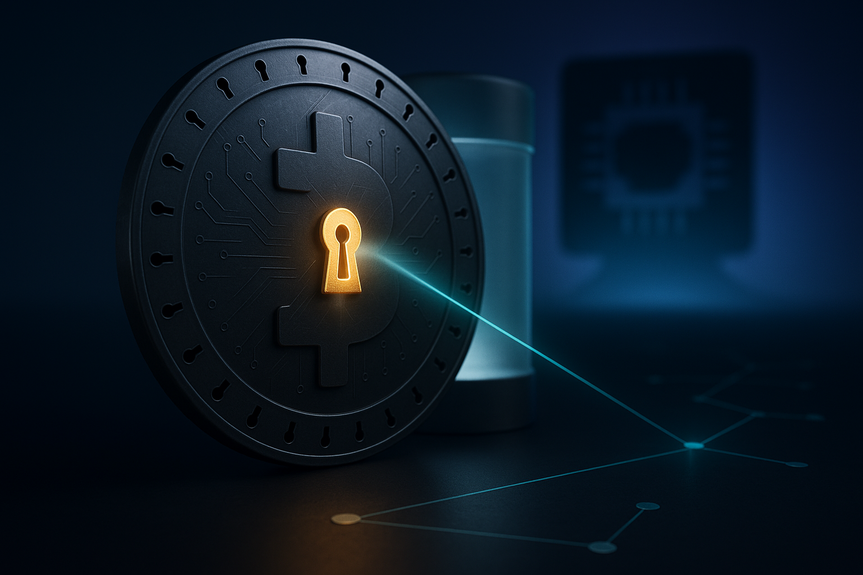
With the Zcash NEAR Intents privacy fix, each swap gets its own viewing key. Your main wallet keeps the spending key. Your refund address on NEAR now points to a per-swap key that can only see that swap’s related payments. If a quantum attacker cracks that one address years from now, they see only the small slice tied to that swap. They cannot link it to your other swaps or your full history. This change limits damage to a single event and breaks the link that could expose your whole account.How wallets find refunds without giving up privacy
Private information retrieval (PIR) for refund discovery
Per-swap keys raise a practical issue. If you make many swaps, you generate many keys. Restoring a wallet from backup or chasing a refund might mean checking the chain with each key, which is slow and heavy. Zakura solves this with a simple idea. It offers a database that lists where refunds landed. Wallets query this database using private information retrieval. PIR lets a wallet ask a question without revealing which item it asked about. The server answers, but it cannot tell which address the wallet checked. This helps wallets:Why act now: the quantum threat is real, but timing is unclear
Shor’s algorithm and recent lab progress
Shor’s algorithm has been known since 1994. It can break the math behind many public keys if a quantum computer has enough stable qubits. Classic blockchains face a clear risk because many public keys are visible on-chain today. That includes older Bitcoin outputs where public keys have already been revealed. Recent lab updates, like Google’s Willow chip progress, show steady movement toward more reliable quantum parts. No one can say when a full system will be ready, but the path is clearer than before. This is why developers across crypto are working on post-quantum defenses.Defense-in-depth for private payments
The new Zcash approach does not wait for perfect post-quantum signatures. It reduces the value of any one leaked key right now. It also prepares wallets to manage many keys without new leaks. Defense-in-depth starts with unlinkability and careful key scoping, then moves toward full post-quantum cryptography as those tools mature.What users and builders should do next
For users
For wallet and service developers
Trade-offs, limits, and open questions
Key volume and performance
Per-swap viewing keys raise the number of keys a wallet manages. The PIR database masks lookups, but teams must keep performance smooth on slow devices. Good caching, batched queries, and clear progress feedback will help.Trust and decentralization
A PIR server should not learn which addresses a wallet checks. Still, teams should run open-source servers, publish code, and invite audits. Multiple independent servers can reduce central points of failure. Community governance can help set standards for privacy, uptime, and data retention.Partial measure vs. full post-quantum
This fix contains damage from a viewing key leak. It does not convert Zcash to post-quantum signatures today. That longer move will likely use new cryptography like lattice-based signatures. For now, this step shields history from a single leak and buys time for deeper upgrades.Bigger picture: a model for cross-chain privacy
Learning from Bitcoin’s public key exposure
Bitcoin’s oldest outputs reveal public keys directly on-chain. Those keys are prime targets for a future quantum attacker. Zcash normally hides viewing keys behind addresses, but cross-chain workflows can surface them in refund posts. Isolating each swap’s viewing key closes that gap.A playbook for other ecosystems
Cross-chain tools across many networks publish data in public memos, contracts, or logs. Teams can adapt this model:What to watch between now and January
Shipping timelines and adoption
Wallets built on Zakura’s open-source stack are the first stop. Look for release notes that mention per-swap viewing keys and PIR refund discovery. Hardware wallet timelines depend on firmware work. The target for broader quantum-resistant payments is January, so expect steady updates through the end of the year.Developer tooling and audits
Audits of key derivation, PIR queries, and server code will be important. Good documentation and reference implementations can speed adoption and reduce bugs. Community testing, bug bounties, and reproducible builds will raise trust. This change will not end the quantum debate, but it sets a smart default: if one key leaks later, it should not expose your past. Zcash aims to keep private payments private—even when computing power grows. By giving each swap its own viewing key and hiding refund lookups behind PIR, the Zcash NEAR Intents privacy fix makes one posted address far less dangerous. It is a practical upgrade users can benefit from soon, and a solid step toward a quantum-safe future. (paste continues with citation links) (Source: https://www.coindesk.com/tech/2026/10/19/zcash-developers-plan-a-fix-to-keep-zec-swaps-private-from-future-quantum-computers)For more news: Click Here
FAQ
Q: What is the Zcash NEAR Intents privacy fix?
A: The Zcash NEAR Intents privacy fix assigns a fresh viewing key to each ZEC swap and adds private information retrieval so wallets can locate refunds without revealing which address they check. This limits what a future quantum attacker could learn from a publicly posted refund address.
Q: Why do posted refund addresses create a quantum risk for Zcash?
A: NEAR Intents posts a Zcash refund address publicly when a swap deposit arrives, and that address contains a public key derived from the wallet’s viewing key. A sufficiently powerful quantum computer running Shor’s algorithm could theoretically compute the viewing key from that public key and link a wallet’s past payments.
Q: How does giving each swap its own viewing key protect user privacy?
A: Scoping a viewing key to one swap means a cracked refund address would reveal only that single swap’s payments rather than the wallet’s entire history. The spending key remains with the user, so funds are not exposed even if a viewing key is later recovered.
Q: What is private information retrieval and how is it used in this fix?
A: Private information retrieval (PIR) lets a wallet query a refund database without the server learning which address the wallet checked, avoiding full-chain scans with hundreds of keys. Zakura proposes using a PIR-backed database to answer refund lookups while preserving wallet privacy.
Q: Does the Zcash NEAR Intents privacy fix make Zcash fully quantum-proof?
A: No, the Zcash NEAR Intents privacy fix is a mitigation that limits damage from a leaked viewing key but does not replace post-quantum signatures. It is intended to buy time while developers work toward fuller post-quantum cryptography, such as lattice-based signatures.
Q: When can users expect wallets to support the per-swap key and PIR features?
A: Zakura says compatible software wallets built on its open-source libraries, including Vizor, could add the feature within weeks, with hardware wallets following once their firmware is updated. This rollout is aimed to align with Zcash developers’ January target for broader quantum-resistant payments.
Q: What are the main trade-offs or limitations of this approach?
A: The fix increases the number of viewing keys a wallet must manage, which can affect restoration speed and device performance unless wallets use caching, batched queries, and good UX. It also relies on PIR servers and open-source implementations, so teams should run audits, offer multiple servers, and use community governance to reduce centralization risk.
Q: What should users and builders do now to prepare for the Zcash NEAR Intents privacy fix?
A: Users should update compatible wallets when support ships, back up their seed securely, avoid address reuse across services, and install firmware updates on hardware wallets once available. Builders should adopt per-swap viewing keys, integrate PIR-based refund discovery, test restore paths with many keys, and provide clear UX about isolated keys and privacy implications.
* The information provided on this website is based solely on my personal experience, research and technical knowledge. This content should not be construed as investment advice or a recommendation. Any investment decision must be made on the basis of your own independent judgement.
Contents