AI News
10 Feb 2026
Read 9 min
AI Super Bowl ad spending 2026 How to profit
AI Super Bowl ad spending 2026 shows how marketers can capture massive audience reach and boost ROI.
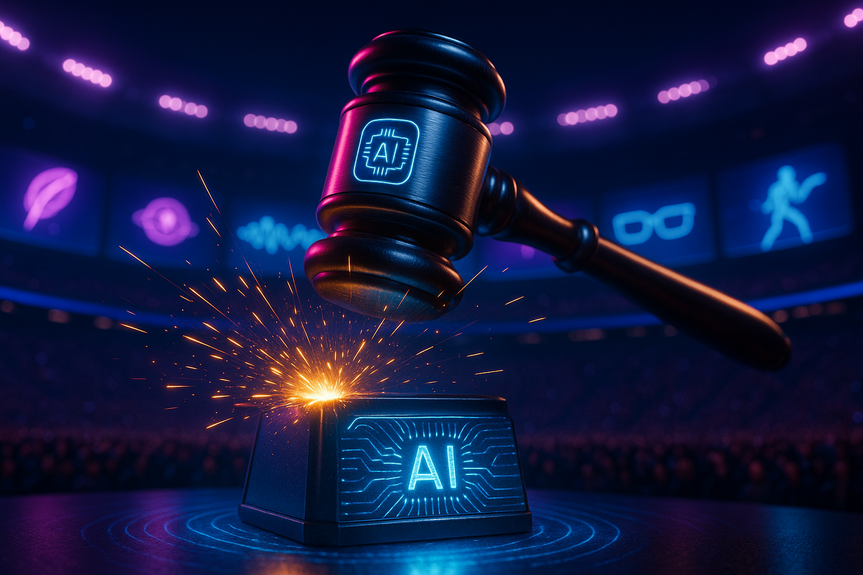
AI Super Bowl ad spending 2026 hits record levels as Big Tech and startups buy prime game-day slots to reach about 130 million viewers. With 30-second spots priced at $8–$10 million, AI takes center stage. Here’s what changed, who advertised, and how marketers and investors can profit from the surge.
The Super Bowl has long been America’s biggest ad showcase. This year, AI took the lead. Major players and new entrants bought high-priced spots to pitch tools for consumers and businesses. A pregame spat between Anthropic and OpenAI stoked attention, while automakers pulled back and made room for tech-heavy campaigns.
AI Super Bowl ad spending 2026: What changed and why it matters
Ad prices hit a record average of $8 million for 30 seconds, with some up to $10 million. That price signals two shifts: AI companies want mainstream trust, and they see the Super Bowl as a fast way to scale brand awareness. The audience is massive, and the conversation is national. Anthropic’s Claude mocked OpenAI over ads inside ChatGPT, drawing a reply from Sam Altman and pushing both brands into headlines before kickoff. The clash showed how attention fuels reach even before the broadcast. It also previewed how AI brands will fight for mindshare this year.Who showed up on game day
Tech giants
- Google promoted Gemini AI after two years of showing Pixel features like Guided Frame and Magic Eraser.
- Amazon ran an Alexa+ spot with Chris Hemsworth, leaning into worries about smart-home risks with humor.
- Meta returned with ads for Oakley Meta AI glasses, giving users hands-free access to its AI tools.
- OpenAI rejoined the Super Bowl lineup after last year’s 60-second debut.
Upstarts and creator tools
- Genspark pitched its AI productivity suite with Matthew Broderick.
- Base44 showcased an app builder that lets anyone spin up custom apps with AI.
- Wix highlighted Harmony, its AI-driven web design platform.
- Artlist.io ran a fully AI-generated ad, made in five days for a few thousand dollars.
Non-tech brands using AI
- Svedka returned with its Fembot, now powered by AI trained on TikTok dances. Absolut also joined the lineup.
- Xfinity used AI de-aging to bring the 1993 Jurassic Park cast back to their prime.
How brands can profit now
- Capture search spikes: Build landing pages and ads for brand + “AI” queries. Keep messaging consistent with your Super Bowl theme.
- Own the second screen: Launch a live site or shoppable feed during the game. Use QR codes to drive direct response.
- Retarget fast: Build custom audiences from game-day traffic and retarget with offer-led creative for two weeks.
- Use creators for amplification: Seed behind-the-scenes cuts or alt-endings and boost what performs within hours.
- Bundle PR with data: Publish a post-game report on engagement lifts and cost savings from AI production.
- Test AI-made variants: Spin 10–20 cutdowns with AI and run multivariate social and CTV tests Monday–Wednesday.
- Tie to retail media: Sync in-store and online promos on Amazon, Walmart, and grocers the week after the game.
- For B2B: Offer a limited “AI audit” or sandbox trial to turn brand awareness into pipeline within 14 days.
Investor takeaways from AI Super Bowl ad spending 2026
- Creative tooling demand: Generative video, audio, and VFX platforms benefit as brands chase faster, cheaper production.
- Measurement and brand lift: Adtech that verifies reach, attention, and offline impact gains priority spend.
- Cloud and inference: More AI experiences mean higher usage for compute, storage, and model hosting.
- Edge devices: Wearables like Meta’s AI glasses hint at a new hardware wave for ambient AI access.
- Risks to watch: Customer acquisition costs can spike; look for brands showing clear revenue or subscriber lift.
Production playbook: Cut costs, raise impact
- Prototype with AI: Previz, animatics, and voice reads can be AI-made in days.
- Blend human + synthetic: Use AI for de-aging, cleanup, and alt-cuts while keeping human-led storytelling.
- Manage rights: Lock down model, music, and likeness licenses; document AI use to avoid disputes.
- Disclose when useful: Simple labels can build trust without hurting performance.
Metrics that matter on Monday
- Immediate: Site traffic, branded search, QR scans, social mentions, and video completion rate.
- Near term: Add-to-cart, trials, newsletter signups, demo requests, and CPM vs. brand lift.
- Midterm: Incremental sales, subscriber growth, CAC payback, and halo effects on non-branded search.
(Source: https://www.cnbc.com/2026/02/06/super-bowl-ai-companies-pour-big-money-into-ads.html)
For more news: Click Here
FAQ
Q: What were the headline figures for AI Super Bowl ad spending in 2026?
A: AI Super Bowl ad spending 2026 hit record levels, with 30-second spots averaging $8 million and some priced up to $10 million. Advertisers bought time to reach roughly 130 million viewers during the game.
Q: Which major AI companies and startups ran Super Bowl ads in 2026?
A: Major players included Anthropic, OpenAI, Google (promoting Gemini), Amazon (Alexa+), and Meta (Oakley Meta AI glasses), while startups such as Genspark, Base44, Wix, and Artlist.io also bought spots. Other non-tech brands like Svedka and Absolut used AI in their campaigns as well.
Q: What happened between Anthropic and OpenAI before the game?
A: Anthropic’s Claude ran an ad criticizing OpenAI’s decision to include ads in ChatGPT, which prompted a public response from OpenAI CEO Sam Altman and increased attention before kickoff. The exchange showed how pregame messaging amplified both brands’ visibility.
Q: How did non-tech brands incorporate AI into their Super Bowl commercials?
A: Svedka revived its Fembot character using AI trained on TikTok dances, and Xfinity used AI de-aging to make the 1993 Jurassic Park cast appear younger. The article also noted that some non-tech advertisers used AI to create or enhance creative elements in their spots.
Q: Did AI meaningfully reduce production time or costs for Super Bowl ads?
A: Yes; the article cites Artlist.io’s fully AI-generated ad that was purchased a week before the game and created in five days for a few thousand dollars, showing AI can dramatically cut time and budget. However, traditional Super Bowl production costs still often start near $1 million and can rise much higher for celebrity talent.
Q: What immediate tactics did the article recommend for brands to profit from Super Bowl exposure?
A: Brands were advised to capture search spikes with consistent landing pages, own second-screen experiences like live sites or QR-driven shoppable feeds, and retarget game-day traffic quickly with offer-led creative. The article also recommended seeding creator content, publishing post-game engagement reports, and testing AI-made variants in the days after the game.
Q: What should investors watch in light of AI Super Bowl ad spending 2026?
A: Investors should watch demand for creative tooling (generative video, audio, and VFX), adtech that measures brand lift and offline impact, and increased cloud and inference usage as AI experiences scale. The article also flagged edge devices like AI-enabled glasses and cautioned about rising customer acquisition costs as a risk.
Q: Which metrics matter for brands measuring Super Bowl ad performance after the game?
A: Immediate metrics include site traffic, branded search, QR scans, social mentions, and video completion rate, while near-term indicators are add-to-cart, trials, signups, and CPM versus brand lift. Midterm outcomes to track are incremental sales, subscriber growth, and CAC payback paired with media and engagement metrics.
Contents