AI News
09 Dec 2025
Read 9 min
How AI helps diagnose diseases sooner to save lives
how AI helps diagnose diseases by catching them earlier to speed treatment and boost survival odds.
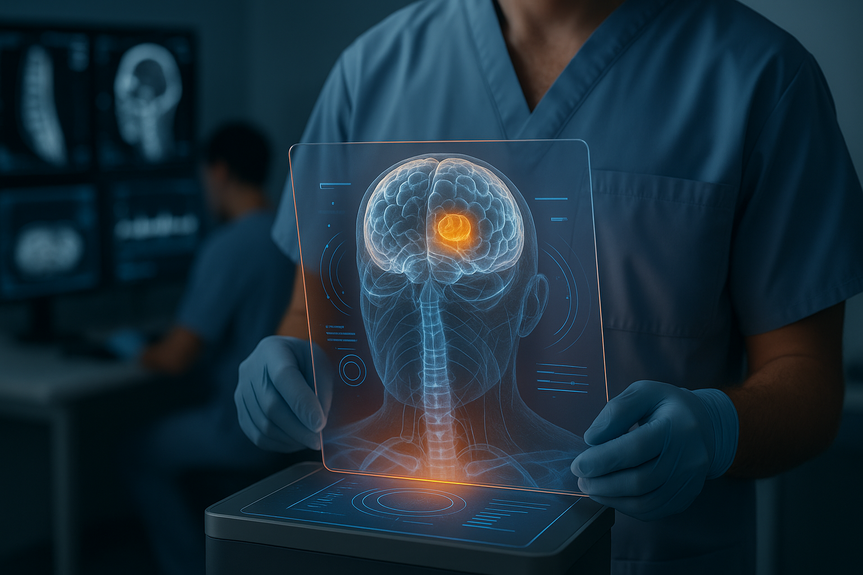
Doctors are using smarter software to catch illness earlier and guide care. Here is how AI helps diagnose diseases sooner: it scans images and lab data for patterns humans may miss, flags risks in real time, and supports treatment choices. The result is faster answers, fewer errors, and better odds for patients.
Across hospitals and research labs, artificial intelligence is moving from pilot to practice. Systems read X-rays in minutes, watch for sepsis every second, and sift through genetic code to find clues for rare disorders. Scientists like computational biologists at Rice University and Baylor College of Medicine are building tools that aim to save lives and speed breakthroughs. The goal is simple: get the right diagnosis sooner, so treatment starts when it can do the most good.
It compares a new scan to millions of past cases and flags suspicious changes fast.
It connects scattered signs across vital signs, labs, and notes to predict risk.
It suggests likely diagnoses and prompts the next best test, reducing guesswork.
Faster reads and shorter wait times for results
Fewer overlooked findings in busy settings
More consistent care between day, night, and weekend shifts
Validate models on local patients and publish accuracy and limits.
Monitor for bias across age, sex, and race and fix problems fast.
Explain results in plain language and show reasons for alerts.
Protect data with strict access controls and audits.
Keep a human in the loop for every major decision.
Put alerts in the right place in the chart with clear next steps.
Limit noise by tuning thresholds and suppressing repeat alerts.
Train staff with short, hands-on sessions and quick reference guides.
Measure impact: diagnosis time, accuracy, length of stay, and patient outcomes.
Shorter waits for scan results and specialist input
Earlier answers, which expand treatment options
Fewer unnecessary tests and repeat visits
Faster starts for antibiotics, antivirals, or cancer therapy
More face time with clinicians because paperwork shrinks
How AI helps diagnose diseases
AI learns from large sets of medical images, lab values, and outcomes. It then spots patterns that point to disease earlier than the human eye can. This is how AI helps diagnose diseases in daily care:From pixels to proof: AI in medical imaging
Radiology support that reduces misses
Radiologists face heavy workloads. AI acts like a tireless second reader. It highlights lung nodules on CT, microfractures on X-ray, brain bleeds on CT, and small lesions on MRI. It can triage urgent scans first, so emergencies do not wait. Doctors still make the call, but AI points the way.Ultrasound and point-of-care exams
At the bedside, AI guides probe placement and interprets images in real time. It can estimate heart function, detect fluid in lungs, or spot gallstones. This helps young clinicians perform quality exams and shortens time to diagnosis.What this delivers
Beyond images: labs, genetics, and wearables
Lab signals that warn before a crash
AI watches lab values and vital signs together. It can predict sepsis hours before it becomes obvious, recommend blood cultures, and alert teams to act. It also flags dangerous drug interactions or sudden kidney injury early, when a dose change can prevent harm.Genomics that unlocks rare disease clues
Reading DNA creates huge data. AI ranks genetic variants by how likely they cause disease and links them to known conditions. This speeds diagnosis for rare disorders and guides which confirmatory tests to order next. In cancer, it helps match tumor mutations with possible therapies or trials.Wearables that never sleep
Smartwatches and patches collect heart rhythms, oxygen levels, and movement. AI checks for arrhythmias like atrial fibrillation, sleep apnea signals, or early signs of heart failure. These alerts prompt a clinic visit before problems worsen.Matching care to risk and likely benefit
Risk scores that guide action
By learning from outcomes, AI estimates a patient’s chance of readmission, bleeding, stroke, or drug side effects. Teams can plan follow-ups, choose safer drugs, or adjust doses. This is practical, preventive care.Treatment decision support
Cancer boards and specialty clinics use AI summaries to see which treatments worked best for similar patients. It does not replace expert judgment. It organizes facts so experts can decide faster and with more confidence.What good looks like: safety and fairness
Great tools must be safe, fair, and private. Strong programs do the following:Workflow that helps clinicians, not the other way around
Even the best model fails if it slows care. Hospitals that succeed with AI focus on fit:Real-world wins patients can feel
When AI is done right, patients see and feel the difference:Preparing for what comes next
Generative AI can draft notes, summarize long charts, and translate medical terms for patients. Combined with classic machine learning, it can turn raw records into clear plans. As regulators clear more tools and insurers reward proven impact, teams that understand how AI helps diagnose diseases will lead. Researchers keep pushing forward as well. They are building models that merge images, text, waveforms, and genetics. The aim is a fuller picture of health that updates hour by hour. With careful testing and oversight, this can make care safer and more personal without using risky language or vague promises. The promise is strong and practical: earlier detection, smarter choices, and lives saved. Hospitals, universities, and clinics are showing steady gains today, not just hopes for tomorrow. With human judgment in charge, clear guardrails, and a focus on equity, how AI helps diagnose diseases will continue to improve care and outcomes for everyone. (Source: https://www.baltimoresun.com/2025/12/05/ai-could-be-powerful-tool-for-doctors-to-detect-diseases-improve-treatments/) For more news: Click HereFAQ
Q: What are the main benefits of using AI in medical diagnosis?
A: AI scans images and lab data for patterns humans may miss, flags risks in real time, and supports treatment choices. The result is faster answers, fewer errors, and better odds for patients. This article explains how AI helps diagnose diseases by comparing new scans to past cases and connecting scattered signs across vitals, labs, and notes to suggest next tests.
Q: How does AI assist radiologists with imaging studies?
A: AI acts as a tireless second reader, highlighting lung nodules, microfractures, brain bleeds, and small lesions on CT, X-ray, and MRI. It can triage urgent scans first so emergencies do not wait, while doctors remain responsible for final interpretation.
Q: Can AI improve bedside ultrasound and point-of-care exams?
A: At the bedside, AI guides probe placement and interprets images in real time to estimate heart function, detect fluid in lungs, and spot gallstones. This helps young clinicians perform quality exams and shortens time to diagnosis.
Q: How can AI detect sepsis and other lab-based risks earlier?
A: AI watches lab values and vital signs together to predict sepsis hours before it becomes obvious and to recommend blood cultures. It also flags dangerous drug interactions or sudden kidney injury early, when a dose change can prevent harm.
Q: What role does AI play in genomics and cancer care?
A: In genomics, AI ranks genetic variants by how likely they are to cause disease and links them to known conditions to speed diagnosis for rare disorders. In cancer, it helps match tumor mutations with possible therapies or trials and guides which confirmatory tests to order next.
Q: How do wearables and AI work together to monitor health outside the hospital?
A: Wearables collect heart rhythms, oxygen levels, and movement continuously, and AI analyzes those signals for arrhythmias like atrial fibrillation, sleep apnea patterns, or early signs of heart failure. Alerts from these systems can prompt a clinic visit before problems worsen.
Q: What safeguards do hospitals use to keep AI safe, fair, and private?
A: Hospitals validate models on local patients, publish accuracy and limits, and monitor for bias across age, sex, and race to fix problems quickly. They require plain-language explanations for alerts, strict access controls and audits to protect data, and they keep a human in the loop for major decisions.
Q: How can healthcare teams integrate AI without increasing clinician workload?
A: Successful programs place alerts in the right spot in the chart, tune thresholds to limit noise, suppress repeat alerts, and train staff with short hands-on sessions and quick reference guides. They also measure impact on diagnosis time, accuracy, length of stay, and patient outcomes to ensure the tools help rather than hinder care.
Contents