Crypto
20 Mar 2026
Read 12 min
How to avoid crypto investment scams targeting seniors today *
how to avoid crypto investment scams targeting seniors with fraud investigator tips to protect savings
Many seniors face polished crypto pitches that promise easy gains. Here is how to avoid crypto investment scams targeting seniors: slow down, verify licenses, test withdrawals with small amounts, avoid crypto-only payments, and never pay extra to “unlock” profits. Talk with a trusted advisor first, and report pressure or secrecy right away.
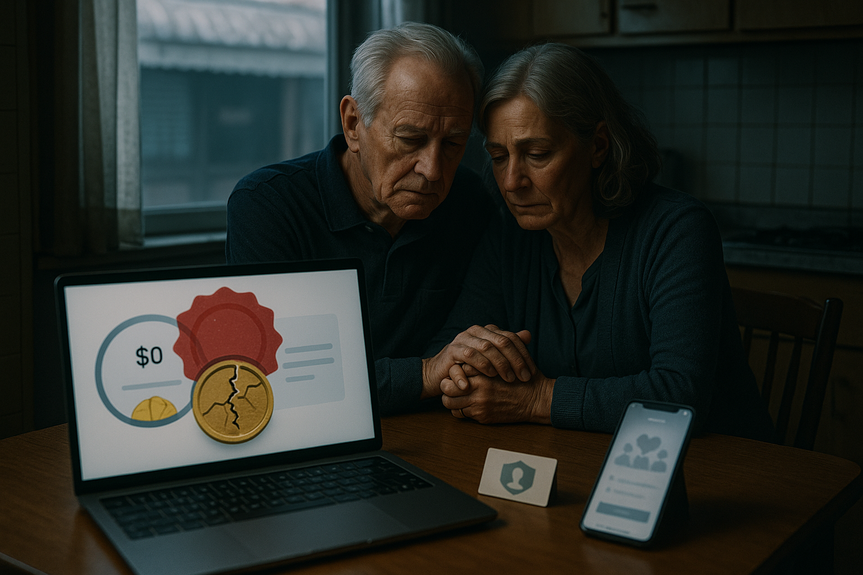
Nick and Mary Pat Guerrier ran a bakery in Nebraska and retired to South Carolina. They wanted a bigger cushion for their move back home. An online “AI” investment firm called Starpronto Prosperity Group looked real. It had a slick site, dashboards, and fast returns. Nick sent $310,000 in cryptocurrency. Then the platform demanded another $200,000 to withdraw. After sending a total of $500,000, his balance went to zero. Soon, an FBI notice showed the site was seized during an investigation. The couple now shares their story to help others. Their case shows how smart, patient criminals target older adults with money, and how fast a fake website can drain savings.
Learning how to avoid crypto investment scams targeting seniors starts with understanding the new tricks. You can protect yourself and your family with simple steps and a “verify before you invest” rule.
The new playbook for crypto scams
Polished sites and AI buzzwords
Criminals build fake platforms that look like real brokerages. They show live charts, profits, and support chats. They use terms like “AI trading,” “quant models,” and “automated bots.” Everything looks professional until you try to get your money out.Crypto deposits and “unlock” fees
Scammers push crypto, wires, or gift cards. These payments are hard to reverse. They often show early “profits,” then demand more money for taxes, upgrade fees, or “anti-money laundering” checks. If you pay, they keep asking. If you refuse, they freeze or erase your account.Social and messaging app outreach
Many scams start with a text, social media message, or friendly “wrong number.” The scammer builds a bond, then invites you to a “private” investment. Some join you on encrypted apps. They may ask to screen-share or to install remote tools. That gives them control over your device and accounts.How to avoid crypto investment scams targeting seniors
Use the pause-and-verify rule
If someone urges you to act fast, pause. Scammers use urgency to bypass your judgment. A real investment will be there tomorrow.- Never invest based on a text, a social message, or a cold call.
- Do not share your screen or install remote tools for anyone who contacts you first.
- Refuse any request to send more money to “unlock” withdrawals.
Stick to regulated firms you can confirm
Only use platforms you can verify in public databases. A real firm leaves a paper trail.- Check the SEC’s Investment Adviser Public Disclosure (IAPD) and FINRA BrokerCheck for the company and any advisor’s name.
- Look up the business with your state securities regulator and the Better Business Bureau.
- Avoid companies that only accept crypto or gift cards. Reputable firms offer standard banking rails.
Test before trust
Start very small. Confirm you can withdraw real money to your bank quickly and without extra fees.- Make a tiny deposit first. Place one trade. Withdraw it.
- If any platform blocks small withdrawals or adds surprise fees, stop immediately.
- Never send more money to fix an “issue.” That is a classic trap.
Bring in a second set of eyes
A quick call can save your savings.- Run any new offer by a licensed financial advisor you already know.
- Ask an adult child, sibling, or trusted friend to sanity-check big decisions.
- If someone tells you to keep the deal “secret,” treat that as a red flag.
A 10-minute verification checklist
Use this fast checklist before you move a dollar.- Search the company name plus words like “scam,” “complaint,” and “reviews.” Look for patterns, not one-off comments.
- Find a real street address and a working phone number on the website. Call it. Do not rely on links sent by a stranger.
- Check the domain age with a WHOIS lookup. A new site can be a warning sign.
- Confirm the firm and people on SEC IAPD and FINRA BrokerCheck. No listing? Walk away.
- Read the terms for withdrawal rules and fees. Hidden “unlock” costs mean trouble.
- Do a small test withdrawal to your bank. No smooth exit, no bigger deposit.
- Use two-factor authentication and strong, unique passwords for all financial accounts.
Help for families and caregivers
Talk before a scammer does
Set a simple family plan.- Agree on a “two-person rule” for any investment over a set amount.
- Schedule short monthly check-ins on money topics.
- Share recent scam stories to build awareness without blame.
Watch for warning signs
Common red flags include secrecy and pressure.- Sudden interest in crypto-only platforms or “AI trading bots.”
- Requests to wire or send crypto to a stranger or QR code.
- Instructions to keep the opportunity quiet or to pay more to withdraw.
- New apps that allow remote control of the computer or phone.
If you think you were scammed: act now
Speed helps. Crypto is fast, but so is your response.- Stop sending money. Cut contact. Block numbers and delete messaging-app chats with the scammer.
- Contact your bank, credit union, or crypto exchange at once. Ask for holds, chargeback reviews, or account flags.
- Change passwords and enable two-factor authentication on email, phones, and financial accounts. Remove any remote-access software.
- Save evidence: screenshots, usernames, wallet addresses, transaction IDs, emails, and phone numbers.
- Report to the FBI’s Internet Crime Complaint Center (IC3.gov), the FTC, your state attorney general, and local law enforcement.
- Beware “recovery agents” who demand upfront fees. Most are second-wave scams.
- Talk with a trusted advisor about next steps, taxes, and budgeting after a loss. Emotional support matters too.
Why this matters now
The Bellevue couple’s loss shows how advanced these scams have become. The fake website looked real. The numbers looked good. Even the support staff felt professional. But one test stands: a real, regulated firm does not force extra payments to release your own money. If a platform does that, it is a scam. Criminals target older adults because they often have savings and may be polite or private. But clear steps beat slick tricks. Verify the license. Test small. Use known firms. Ask a pro. Share concerns early. These habits turn a high-pressure pitch into a hard pass. Strong habits are your shield. Make the pause-and-verify rule part of every money move. Share it with parents, neighbors, and friends. When you know how to avoid crypto investment scams targeting seniors, you cut off the scammer’s best weapon: speed and silence.For more news: Click Here
FAQ
Q: What immediate steps should a senior take before investing in an online crypto opportunity?
A: Learning how to avoid crypto investment scams targeting seniors starts with the pause-and-verify rule: slow down, don’t act on texts or cold calls, and refuse pressure to move fast. Research the company online, check SEC IAPD and FINRA BrokerCheck, consult a trusted financial advisor you know, and use the Better Business Bureau to spot red flags.
Q: How can I safely test a crypto platform before putting in large amounts?
A: Make a very small deposit, place one trade, and withdraw the funds to your bank to confirm the platform allows smooth withdrawals without surprise fees. If the site blocks small withdrawals or adds unexpected fees, stop immediately and do not send more money.
Q: What payment methods are red flags when someone offers a crypto investment?
A: Avoid crypto-only payments, wire transfers, or gift cards because they are hard to reverse and are commonly demanded by scammers. Also never pay extra fees or “unlock” charges to withdraw your money, as that is a classic scam tactic.
Q: How do scammers use social and messaging apps to lure older adults into crypto schemes?
A: Scammers often start with a friendly text, social message, or a “wrong number” to build trust and then invite victims to private investment chats. They may ask you to screen-share or install remote tools, which can give them control of your device and accounts, so refuse those requests.
Q: What signs should I look for to tell if a crypto investment website is fake?
A: Polished websites with live dashboards, AI buzzwords, and professional support chats can still be fake, especially if the site demands extra payments or secrecy. Look for a real street address and working phone number, check the domain age with a WHOIS lookup, and verify the firm and people on SEC IAPD and FINRA BrokerCheck before trusting the site.
Q: If I suspect a senior has been scammed, what should we do right away?
A: Stop sending money, cut contact, block numbers and delete messaging-app chats, and contact your bank or crypto exchange immediately to ask for holds or chargeback reviews. Change passwords, remove any remote-access software, save evidence like screenshots and transaction IDs, and report the incident to the FBI’s IC3, the FTC, your state attorney general, and local law enforcement.
Q: How can families and caregivers set up safeguards to prevent seniors from being targeted?
A: Set a simple family plan such as a two-person rule for investments over a set amount, schedule short money check-ins, and encourage open conversations without blame. Run any new offers by a licensed financial advisor or a trusted adult child or sibling before moving money, and treat requests for secrecy as a red flag.
Q: Are there safer ways for seniors to get exposure to cryptocurrency without falling for scams?
A: Consider regulated funds or custodians you can verify and keep position sizes small, and only use firms that can be confirmed through public databases. If you cannot explain how the investment works in one or two sentences, walk away and avoid “recovery agents” who demand upfront fees.
* The information provided on this website is based solely on my personal experience, research and technical knowledge. This content should not be construed as investment advice or a recommendation. Any investment decision must be made on the basis of your own independent judgement.
Contents