Crypto
10 Apr 2026
Read 14 min
Iran crypto shipping tolls explained How shippers avoid fees *
Iran crypto shipping tolls explained, learn how tankers pay $1 per barrel and shippers dodge sanctions
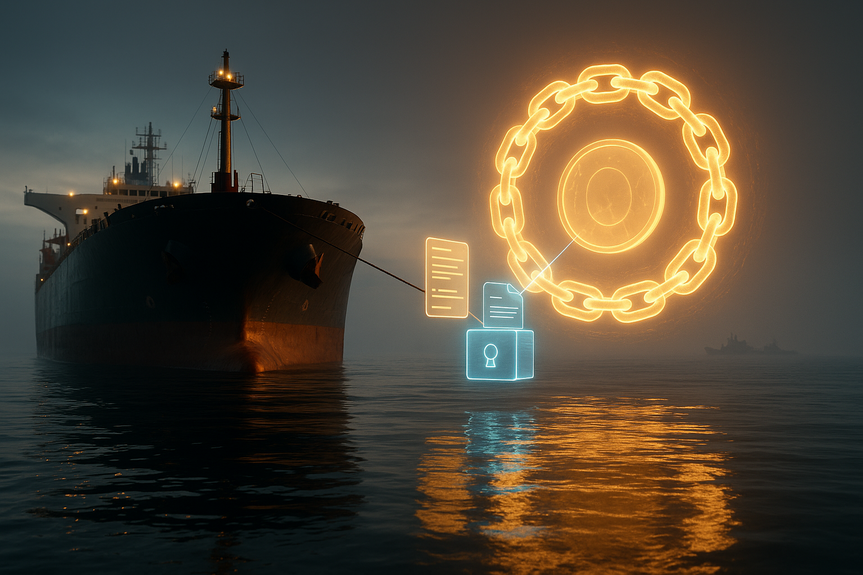
Iran crypto shipping tolls explained: Iran plans to charge a $1-per-barrel crypto fee for tankers transiting the Strait of Hormuz during a two-week ceasefire, according to reports. Here is how the toll would work, the likely market impact, the legal questions, and practical, lawful ways shippers can avoid or reduce the fees.
The Strait of Hormuz is a narrow chokepoint. A big share of the world’s oil must pass through it. During a fragile ceasefire, Iranian officials said tankers that enter Iran’s waters must pay a toll in cryptocurrency. They say this helps them watch for weapons. The White House has played down the move. Both sides claim they are winning. But ships paused on Wednesday, according to Iranian media, and the deal already looks shaky.
Email Iranian authorities with cargo details and route plans.
Wait for a notice of the toll amount.
Pay the toll in digital currencies that cannot be seized under sanctions.
The stated rate is $1 per barrel of oil. A very large crude carrier with 2 million barrels could face a $2 million bill. Iran also warned that each vessel will face extra checks and delays. They say they are not in a rush to process ships.
VLCC (about 2 million barrels): $2 million per transit.
Suezmax (about 1 million barrels): $1 million per transit.
Aframax (about 700,000 barrels): about $700,000 per transit.
If applied both ways or alongside delays, costs go up. Charter rates may rise if owners face new risks or idle time.
Saudi East–West pipeline moves crude to the Red Sea (Yanbu) for loading.
UAE’s Abu Dhabi pipeline delivers crude to Fujairah on the Gulf of Oman, outside Hormuz.
Alternative grades from West Africa, the Mediterranean, or the U.S. Gulf can replace Gulf barrels when economics allow.
Traders can shift blends or swap cargoes to reduce Strait exposure. These moves add time and cost but can be cheaper than delays, legal risk, or higher insurance.
Allow owners to refuse high-risk routes.
Shift costs for new tolls or delays to charterers.
Trigger demurrage if waiting time rises due to inspections.
Clear terms reduce disputes and speed decisions if conditions change.
Volatility risk can change the real toll value within minutes.
On-chain analytics can still trace many flows, which may later trigger enforcement.
Exchanges and custodians often block addresses tied to sanctions, limiting off-ramps.
Stablecoins may be easier to use but can be frozen by issuers or blocked by platforms.
Even if a ship could pay, records would exist. Banks, insurers, and auditors would examine those records. A short-term workaround could become a long-term liability.
Actual enforcement: Does Iran board ships, detain vessels, or issue invoices?
Routing patterns: Do AIS tracks show large-scale diversions to avoid Iran’s side?
Insurance changes: Do war-risk rates and P&I advisories tighten?
Diplomatic steps: Do flag states file protests? Do Oman and Iran coordinate traffic guidance?
Price signals: Do freight rates and crude spreads widen on new risk premia?
If tolls hold and delays grow, refiners may pay up for barrels outside the Gulf. If the policy fades under pressure, rates could settle back, but risk will linger as long as threats recur.
Iran crypto shipping tolls explained
What Iran says it will charge
Iran’s oil exporters’ union spokesperson said any tanker in Iran’s waters must do three things:Why crypto and why now
Iran faces U.S. and allied sanctions. Banks block many Iran-linked payments. Crypto can move outside normal banking rails. Iran says a crypto toll stops seizure of funds and makes sure ships do not carry weapons. The announcement came just as a short ceasefire started. It lets Iran keep leverage over a vital waterway. It also lands as some U.S. leaders voice support for crypto, which adds a political edge to the news.Who could be affected
The policy targets oil tankers that cross into Iran’s waters within the Strait of Hormuz. Product tankers may also be asked to pay, if they carry refined oil. Ships that remain in Omani waters, follow traffic lanes, and avoid Iran’s side may contest any charge. But enforcement risks and gray zones remain, because the strait is tight and claims overlap.Legal footing: transit rights versus tolls
The strait links the Persian Gulf to the open ocean. It is used for international navigation. Under widely cited maritime norms, ships have a right of “transit passage” through such straits. Many experts argue that a state cannot block that right or charge a fee for mere passage. States can set safety rules. They can charge for optional services, like pilotage or port calls. But general tolls for passing are disputed. Iran has not ratified the main U.N. sea treaty. It asserts stronger control in its waters. Oman borders the other side and has its own rules. This split creates legal friction. If Iran pushes tolls, some flag states and shippers will protest. They may cite international law and refuse to pay. That could spark detentions or standoffs at sea. Lawsuits could follow. Insurance underwriters would then reassess risk and raise costs.Market impact: costs, delays, and premiums
Direct costs
At $1 per barrel, the toll is small compared to oil’s price. But it is not trivial on big loads.Delay risk and queues
Iran said it will take time to process each ship. Even a one-day delay at anchorage can cost tens of thousands of dollars in hire, fuel, and crew time. If many vessels wait, backlog grows. Schedules slip. Refiners may pay more to get prompt barrels. Prices can spike on headline risk alone.Insurance and compliance
War-risk premiums for the Gulf can jump fast when tensions rise. If paying the toll counts as a sanctions violation, many global owners, banks, and P&I clubs will not touch those voyages. That pushes trade onto a smaller “shadow fleet,” which often carries higher safety and spill risks. Mainstream traders may then re-source supply, adding miles and costs.How shippers might avoid or reduce the fees (legally)
There are lawful, risk-aware steps that owners, charterers, and traders can consider. None of these are guarantees, and companies must follow all sanctions and safety rules.Follow Omani traffic lanes wherever possible
The established traffic separation scheme steers much transit near Oman’s side. Masters can plan routes that minimize time in Iran’s territorial sea. Owners can keep AIS on, record tracks, and log bridge decisions. If a ship never enters Iranian waters, it has a stronger case for not paying a toll. Still, masters must navigate safely and heed updated notices to mariners.Seek flag-state and insurer guidance
Flag administrations, P&I clubs, and war-risk underwriters can issue routing advice and compliance notes. Written guidance can support masters who face a toll request. It also helps prove due diligence if a dispute arises.Use diplomatic and naval channels
Owners can ask their flag state to raise the issue with Iran or regional partners. In some periods, coalition navies provide escorts or monitoring. Diplomatic notes can deter interference and clarify lawful transit.Source barrels that bypass the strait
Some supply routes avoid Hormuz:Clarify charter-party clauses
Charterers and owners should review sanctions, war-risk, and “safe port” clauses. They may:Confirm sanctions compliance
Many companies and banks must not pay Iranian entities, whether in dollars, euros, or crypto. Paying in digital coins does not remove sanctions risk. Compliance teams should seek legal counsel and, if available, rely on public licenses or guidance from regulators. If compliance is not possible, the safest option is to reroute or reschedule.If crypto payment happens: practical hurdles
Iran reportedly wants coins that “can’t be seized.” That likely means tokens with fewer centralized chokepoints. But this raises new issues:Political backdrop and what to watch
The announcement landed as a short ceasefire started. Iran briefly halted shipments, according to local reports. U.S. leaders signaled calm and even suggested joint “security” talk. But ceasefires can break down. Markets will watch for:The bottom line
This policy is a test of control, law, and logistics in the world’s most important oil corridor. Iran can create delays and raise costs even without a fully legal toll. Shippers that plan routes on the Omani side, strengthen contracts, lean on pipelines that bypass the strait, and keep tight sanctions compliance can reduce exposure. Markets will price the risk day by day. For now, Iran crypto shipping tolls explained means one thing above all: prepare for friction, protect legal footing, and keep flexible routing until policy and peace both look steadier.(Source: https://www.thedailybeast.com/iran-trolls-trump-by-demanding-shipping-tolls-in-crypto/)
For more news: Click Here
FAQ
Q: What is Iran proposing for tankers transiting the Strait of Hormuz?
A: Iran plans to charge a $1-per-barrel toll payable in cryptocurrency for tankers transiting its waters during a two-week ceasefire, and it requires ships to email cargo details and route plans, wait for a notice of the toll, and then pay in digital currencies that cannot be seized. This description is the core of Iran crypto shipping tolls explained in recent reporting.
Q: Why does Iran want the toll paid in cryptocurrency instead of conventional currency?
A: Iranian officials say crypto can move outside traditional banking rails and avoid seizure under sanctions, making it harder for payments to be blocked. They also argue the process helps them monitor cargo and reduce the risk of weapons transfers during the ceasefire.
Q: Which vessels and routes are most likely to be affected by the toll?
A: The policy targets oil tankers that enter Iran’s waters in the Strait of Hormuz, including VLCCs, Suezmax, and Aframax vessels, and product tankers carrying refined oil could also be asked to pay. Ships that remain in Omani waters or follow established traffic separation schemes may have a stronger case to avoid the charge, though enforcement and gray zones remain.
Q: Does international maritime law allow Iran to impose such a toll?
A: Many experts argue that transit passage rights through international straits generally prevent states from charging a general fee for mere passage, while states can set safety rules or charge for optional services like pilotage. Iran has not ratified the main U.N. sea treaty and asserts stronger control in its waters, which creates legal friction and potential disputes with flag states and shippers.
Q: How much would the toll cost on large crude carriers?
A: At the stated $1-per-barrel rate, a VLCC carrying about 2 million barrels could face roughly $2 million per transit, a Suezmax about $1 million, and an Aframax roughly $700,000 according to the article’s examples. Although small per barrel compared with oil prices, these fees combined with delays and higher insurance can significantly raise voyage costs.
Q: What lawful steps can shippers take to avoid or reduce exposure to the toll?
A: Shippers can plan routes that stay on the Omani side, seek guidance from flag states and insurers, use diplomatic or naval channels, rely on pipelines that bypass Hormuz, and clarify charter-party clauses to allocate new costs. All of these measures require strict sanctions compliance and legal counsel because paying Iranian entities in any currency can trigger legal risks.
Q: What practical hurdles would paying the toll in cryptocurrency create?
A: Crypto payments introduce volatility that can quickly change the real toll value, on-chain traceability that can still link flows to Iran, and limited off-ramps because exchanges and custodians often block sanctioned addresses, while stablecoins may be frozen by issuers. These hurdles mean a short-term workaround could become a long-term liability for owners, insurers, and banks.
Q: How might markets and insurers react if Iran enforces these crypto tolls?
A: Markets could see higher freight rates, wider crude spreads, and price spikes from headline risk as delays and reroutings add cost, while insurers may raise war-risk premiums and P&I advisories that push trade onto smaller, riskier shadow fleets. In short, Iran crypto shipping tolls explained means prepare for friction, higher costs, and the need for flexible routing and strict compliance until the situation stabilizes.
* The information provided on this website is based solely on my personal experience, research and technical knowledge. This content should not be construed as investment advice or a recommendation. Any investment decision must be made on the basis of your own independent judgement.
Contents