AI News
17 Mar 2026
Read 10 min
US military AI targeting investigation exposes deadly errors
US military AI targeting investigation reveals deadly flaws and forces reforms to protect civilians
US military AI targeting investigation faces intense scrutiny after a missile strike on an elementary school in Minab killed 175 people, most of them schoolgirls. CENTCOM says advanced AI speeds analysis while humans still approve strikes. Early findings point to outdated data, weak oversight, and a deadly gap between databases and the real world.
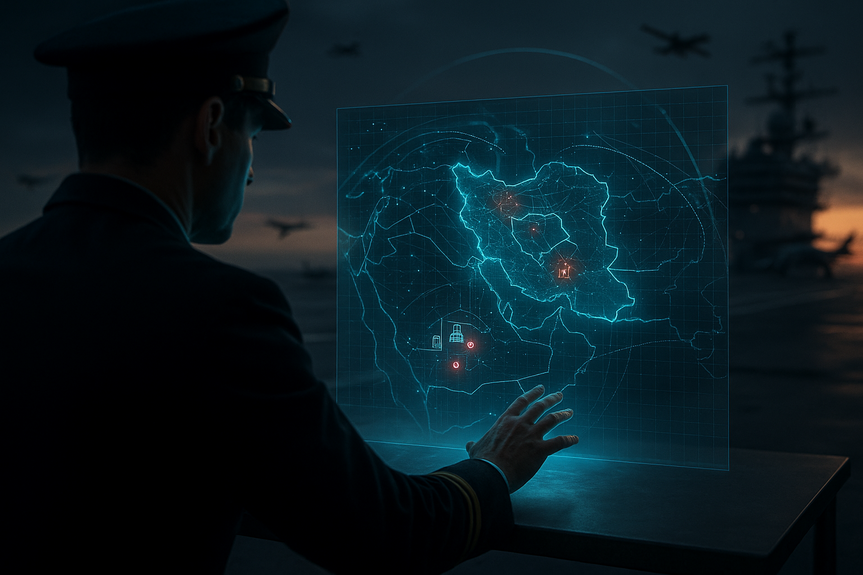
The head of US Central Command, Admiral Brad Cooper, confirmed that American forces now use a range of AI tools to scan data and speed decisions in the war with Iran. He said the systems help leaders cut through noise and act faster than enemies. He also said a human will always make the final call on what to hit.
But a preliminary probe, reported by The New York Times, ties a 28 February Tomahawk strike in Minab to a “targeting fiasco.” Investigators believe the strike used old coordinates from the Defense Intelligence Agency. The school, bright blue and pink with clear sports fields, split from a nearby base in 2016. It stayed flagged as an active target in military databases.
Stale intelligence that mislabels civilian sites
Poor database hygiene that fails to remove old targets
Rushed human review inside a fast “kill chain”
Audit and clean target databases now. Remove or re-verify any site last checked years ago, starting with schools, hospitals, and clinics.
Demand fresh, multi-source confirmation. Match AI alerts with new satellite images, human reports, and signals before approval.
Build a strong “no-strike” shield. Force AI and humans to check against up-to-date protected site lists, with hard blocks that require senior overrides.
Slow down at the last step. Set a minimum “think time” and peer review for strikes near populated areas, even when AI shows high confidence.
Track and test the models. Log model inputs, outputs, and confidence. Red-team them against known edge cases like schools next to bases.
Publish civilian harm reviews. Share methods and lessons learned with independent monitors to restore trust and improve practice.
US military AI targeting investigation: What we know so far
The Minab strike and legacy data
The Minab blast killed 175 people, including 150 schoolgirls and staff, according to early counts. The site looked civilian and had served children for years, but records did not keep up. That gap between a database and the ground turned deadly. The US military AI targeting investigation now centers on three weak points:Did AI misidentify the school?
Experts say we do not yet know. Dr. Craig Jones of Newcastle University told The Times that AI may have failed to identify the school as a school and could have tagged it as military. That is one possible link in the chain. Another is human. A person still had to accept the target and launch the strike. This is the core tension. AI can compress work that once took days into seconds. But if the inputs are wrong or the checks are thin, the machine makes a faster path to a bad decision. Speed without fresh facts and careful review can magnify harm.Speed versus safety in the modern kill chain
Admiral Cooper argues speed gives an edge. He says AI helps leaders decide faster than an enemy can react. Critics argue that faster is not safer when the data is dirty and the review is brief. The US military AI targeting investigation now looks at whether speed eroded basic safeguards.Wider fallout and pressure
The Iranian Red Crescent says nearly 20,000 civilian buildings and 77 health sites have been damaged in the fighting. China’s Defense Ministry warned that letting algorithms steer life-and-death choices risks a “technological runaway.” The Trump administration pushed back. After a legal fight with Anthropic over ethical limits, a Pentagon spokeswoman said the military will not be “held hostage by Silicon Valley ideology.” Against that backdrop, officials say the US military AI targeting investigation will examine how algorithms flagged targets, how old data stayed live, and how commanders checked civilian status before firing.What should change before the next strike
Five fixes that reduce civilian harm
Human control that means something
“Humans in the loop” only works if people have time, training, and authority to say no. Real control means clear rules, visible risk flags, and freedom from pressure to match machine speed. It also means accountability when the process fails, whether the error began with a person, a database, or a model.The data problem is the AI problem
AI is only as good as the data and labels it sees. If a school and a base share a fence, the model can get confused unless it learns from precise, current examples. If the target list is wrong, the best model will still speed the wrong answer. Clean data, updated maps, and constant re-validation are not optional add-ons. They are the foundation.Precision needs context
The Minab strike was “picture-perfect” in aim, according to reports, but still hit the wrong building. That shows a hard truth: precision without context can be deadly. Modern warfare needs both. AI can help find context faster, but only if teams build systems that spot civilians first and force caution, not only speed. In the end, technology will not carry the moral weight. People will. As the US military AI targeting investigation moves ahead, it should deliver more than blame. It must set strict guardrails, clean the data, and put meaningful human control back at the center before the next decision crosses the line between warfighting and tragedy. (pSourse: https://www.trtworld.com/article/ce171f6a1aa5)For more news: Click Here
FAQ
Q: What happened in the Minab strike and what were the casualties?
A: The 28 February Tomahawk missile strike on the Shajarah Tayyebeh elementary school in Minab killed 175 people, including about 150 schoolgirls and staff, according to early counts. Early findings in the US military AI targeting investigation point to a targeting fiasco involving outdated Defence Intelligence Agency coordinates and a school that remained marked as an active target in military databases despite having been separated from an adjacent base in 2016.
Q: Has the US military confirmed it uses AI tools in targeting?
A: Admiral Brad Cooper confirmed that US Central Command is deploying a variety of advanced AI tools to help sift vast amounts of data and speed decision-making in the war with Iran. He also insisted that humans will always make the final call on what to shoot and what not to shoot.
Q: Could AI have misidentified the school as a military target?
A: Investigators and experts say it is not yet clear whether AI misidentified the school or whether human error drove the fatal chain of assumptions, and Dr Craig Jones said AI cannot yet be ruled out as having tagged the school as a military target. The probe also notes a human still had to accept the target and approve the strike, so both machine and human factors are under scrutiny.
Q: What weaknesses has the US military AI targeting investigation identified so far?
A: The investigation has focused on three weak points: stale intelligence that can mislabel civilian sites, poor database hygiene that leaves old targets live, and rushed human review inside a fast “kill chain”. These failings are central to the US military AI targeting investigation because they can let AI speed amplify deadly errors rather than prevent them.
Q: What practical fixes are being proposed to reduce civilian harm?
A: Proposals in the article include auditing and cleaning target databases, demanding fresh multi-source confirmation, building a strong no-strike shield with senior overrides, imposing minimum think time and peer review for strikes near populated areas, tracking and testing models, and publishing civilian harm reviews. These measures aim to ensure data is current, add human checks, and restore accountability to prevent future mistakes.
Q: What does “meaningful human control” over AI targeting mean?
A: Meaningful human control means people in the loop must have time, training and the authority to say no and not be pressured to match machine speed. It also requires clear rules, visible risk flags, peer review and accountability when the process fails.
Q: How does speeding the kill chain with AI increase risks on the battlefield?
A: Speed compresses decisions that once took days into seconds, so if inputs are wrong or checks are thin the machine produces a faster path to a bad decision and can amplify harm. The US military AI targeting investigation is examining whether that increased speed eroded basic safeguards and ethical restraints.
Q: What should the investigation produce beyond assigning blame?
A: Officials say the US military AI targeting investigation should examine how algorithms flagged targets, why outdated data stayed live, and how commanders checked civilian status before firing. The inquiry should result in strict guardrails, cleaned databases and restored, meaningful human control rather than only assigning blame.
Contents