AI News
16 Mar 2026
Read 9 min
US military AI targeting Iran How it reshapes strikes
US military AI targeting Iran speeds analysis so commanders make faster, accurate targeting decisions.
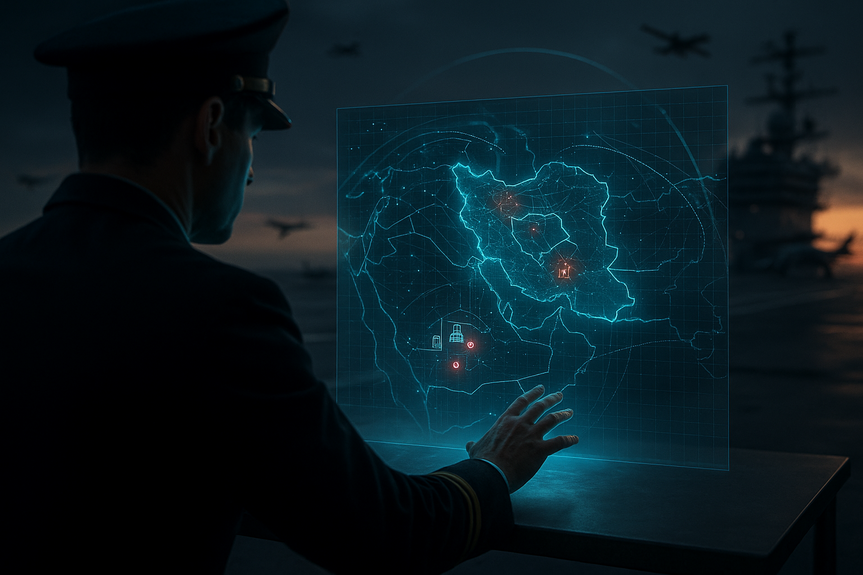
US military AI targeting Iran is reshaping how officers pick targets and time strikes. CENTCOM says AI sifts huge data in seconds while humans keep final say. The shift raises hopes for faster decisions and fears over civilian harm as investigations into deadly strikes gather pace.
The United States confirmed that troops now use a range of AI tools during strikes in Iran. Central Command chief Brad Cooper said these systems scan satellite feeds, signals, and reports to spot patterns fast. He stressed that people still choose what to hit and when. The news lands as deaths rise and watchdogs call for an independent probe into a school bombing that killed more than 170 people.
Sorting drone, satellite, and radio feeds to find likely threats
Flagging movement near high-value sites and alerting watch floors
Deconflicting friendly and civilian tracks in crowded airspace
Prioritizing targets based on patterns and past activity
Mapping safer flight routes and strike windows
Bad or biased data can push wrong matches
Compressed timelines can reduce human review
Models can overfit to patterns that do not hold in new areas
Confidence scores may be misread under stress
Errors can cascade when many sensors repeat the same mistake
Critics warn US military AI targeting Iran may compress the window for legal and ethical checks. They want clear logs, auditable decisions, and public reporting on civilian harm.
Keep a human on all lethal decisions, with time for second review when possible
Use strict thresholds for confidence and clear abort rules
Record full audit trails and enable independent after-action checks
Invest in better training data and real-world validation
Publish civilian harm assessments and update rules of engagement
How US military AI targeting Iran changes the battlefield
From hours to seconds
AI now filters and links huge data streams in near real time. Cooper said processes that once took hours or days now take seconds. Faster fusion means commanders can act before targets move or hide. Supporters say US military AI targeting Iran can reduce blind spots and speed up time-sensitive missions.Human in the loop
Military leaders say humans still make all launch decisions. That means AI acts as a fast advisor, not a trigger-puller. The promise is fewer delays, more context, and better choices. The risk is that rapid suggestions may pressure leaders to act before cross-checks finish.Where AI helps most
Civilian risk and accountability
Rising toll and damaged sites
Iranian officials report heavy harm to civilian life and infrastructure. The US-Israeli campaign has killed more than 1,250 people in Iran since February 28, according to Al Jazeera’s report. The Iranian Red Crescent says nearly 20,000 civilian buildings and 77 healthcare facilities were damaged. A strike on a southern Iran school killed more than 170 people, mostly children, drawing calls for an independent investigation.Why AI can miss context
AI can be fast yet still be wrong. Models depend on the data they get and the labels they learn.Lessons from other wars
Reports say Israel leaned on AI during its war in Gaza, where tens of thousands were killed and vast areas were destroyed since 2023. Rights groups argue that speed and scale can widen harm if guardrails are weak. Advocates of tighter rules point to stronger oversight, better data hygiene, and stricter strike approval steps.Tech power, policy fight, and Operation Epic Fury
Pentagon’s stance
As “Operation Epic Fury” continues, the Pentagon says technology must serve troops without limits set by private firms. A spokesperson said US forces will not be “held hostage” by tech executives and vowed to “decide,” “dominate,” and “win.” This signals a push for broad access to advanced models and tools.Silicon Valley pushback
Policy friction has grown. Anthropic, a major AI company, had a Pentagon contract but set rules against fully autonomous weapons and mass surveillance. After the US government labeled the company a “supply chain risk,” the firm sued the administration of President Donald Trump. This clash shows how public policy, ethics, and battlefield needs now collide.What responsible use could look like
What to watch with US military AI targeting Iran
US military AI targeting Iran could make strikes faster and more precise, but it could also magnify bad data and rush decisions. The next phase will test whether commanders can keep human judgment strong, lower civilian risk, and maintain trust as pressure mounts. In the end, US military AI targeting Iran will be judged by outcomes: fewer civilian deaths, stronger oversight, and clear accountability. If leaders pair speed with restraint, AI can help. If not, rapid tools may deepen harm and widen the debate over where machines belong in war.For more news: Click Here
FAQ
Q: What has the US military confirmed about US military AI targeting Iran?
A: The US military has confirmed it is using a variety of advanced AI tools in the war with Iran to help process troves of data and sift through vast amounts of information in seconds. CENTCOM chief Brad Cooper said these systems support faster decision-making while humans retain final authority on what and when to shoot.
Q: How does US military AI targeting Iran change the speed of targeting decisions?
A: CENTCOM says AI turns processes that used to take hours or days into seconds, allowing commanders to act before targets move or hide. Supporters say this faster fusion of data can reduce blind spots and improve time-sensitive mission response.
Q: What types of data do the advanced AI tools scan in US military AI targeting Iran operations?
A: Brad Cooper said the systems scan satellite feeds, signals and reports to spot patterns quickly and link large data streams in near real time. That processing helps flag movement near high-value sites, deconflict friendly and civilian tracks, and prioritise likely threats.
Q: Are humans still making final targeting decisions when US military AI targeting Iran is used?
A: Yes; CENTCOM emphasised that humans make the final decisions on what and when to shoot, with AI acting as a fast adviser rather than an automatic trigger. The article notes a risk that rapid AI suggestions may pressure leaders to act before full cross-checks are completed.
Q: What civilian risks have been linked to US military AI targeting Iran in the reporting?
A: Rights experts warn that compressed timelines from AI can reduce human review and that bad or biased data may produce wrong matches, which can cascade into further errors. The reporting also cites a rising civilian toll in the campaign, including a school strike that killed more than 170 people and claims of over 1,250 deaths and damage to nearly 20,000 civilian buildings and 77 healthcare facilities.
Q: What oversight measures do critics and advocates suggest for US military AI targeting Iran?
A: Critics and advocates have called for independent investigations, clear audit trails and public reporting on civilian harm so decisions can be reviewed and held accountable. The article also recommends keeping a human on lethal decisions, strict confidence thresholds, recording full logs and enabling independent after-action checks.
Q: How has the dispute between the Pentagon and AI firms affected US military AI targeting Iran?
A: The article describes a public clash with Anthropic, which objected to its models being used for fully autonomous weapons and mass surveillance and then sued the US government after being labeled a “supply chain risk”. Pentagon spokespeople have pushed for broad access to advanced models, saying forces supporting Operation Epic Fury will not be “held hostage” by tech executives.
Q: What would responsible use of US military AI targeting Iran look like according to the article?
A: Responsible use would pair AI speed with restraint by ensuring humans remain in the loop for lethal decisions, enforcing strict abort rules and confidence thresholds, and recording auditable decision logs for independent checks. The article says investment in better training data, real-world validation and publishing civilian harm assessments are key steps to bolster oversight and reduce harm.
Contents