Crypto
11 May 2026
Read 14 min
Tuyo DeFi Visa card risks: How to avoid casino-style traps *
Tuyo DeFi Visa card's risks: learn how to spot gambling tactics and protect your everyday spending.
The Tuyo card turns everyday payments into a game with its “buy now, pay maybe” pitch. Here are the most important Tuyo DeFi Visa card risks and the habits that keep you safe: hidden odds, gamified nudges, smart contract exposure, and fee traps. Learn how to cap spending, avoid yield bait, and keep your money out of harm’s way.
A new crypto debit card is getting buzz by promising that some purchases might be free. Tuyo runs on a stablecoin wallet and lets you spend anywhere Visa works. It also offers optional DeFi “Earn” strategies for yield. That sounds fresh. It also sounds like a casino. Before you sign up, map the Tuyo DeFi Visa card risks against your budget, your impulse control, and your need for predictable costs.
Give yourself a weekly cap for card use. Lock it in your budget app.
Use the card only for planned, routine purchases like gas or groceries.
Turn off promo and “you just won” push alerts to reduce nudges.
Keep only a small “spend float” on the card, such as one or two weeks of expenses.
Do not put essential savings into “Earn.” Yield is not worth grocery money risk.
Keep long-term funds in safer accounts like insured high-yield savings, not DeFi protocols.
Budget as if you will never get a waived charge.
If you do “win,” move that amount to savings the same day.
Never increase spend to chase a freebie; that flips the math against you.
Batch small purchases. Network fees hit harder on $4 coffees than on $80 grocery runs.
Avoid cross-chain shuffles for daily spending. Each hop adds risk and cost.
When traveling, compare total costs with a no-FX-fee credit card before you choose Tuyo.
Back up seed phrases offline. Use a hardware wallet for savings, not for the spending float.
Whitelist your own addresses to reduce mis-sends.
Practice a small test transfer before moving larger amounts.
Who is the issuer? Who does the fiat conversion? What are the exact fees?
How does “maybe” work, and can terms change without notice?
Are there residency limits, balance caps, or Earn lockups?
Keep receipts for bigger buys. Reconcile your wallet and bank statements monthly.
Export transactions for taxes. Perks and yields may be taxable in some places.
Report issues fast; crypto rails are less forgiving over time.
Understand crypto wallets and can handle self-custody duties.
Keep a strict budget and do not chase rewards.
See the “maybe” perk as entertainment, not income.
Struggle with impulse spending or gambling-like apps.
Plan to store major funds on the card or in “Earn.”
Need predictable rewards and clear consumer protections.
Rely on this card while traveling or for high-ticket purchases.
Read the cardholder agreement and the “buy now, pay maybe” terms twice.
Set a weekly dollar cap and a monthly review date.
Disable marketing notifications; keep only security alerts on.
Start with a $100 test month; measure total fees and any waived charges.
Create an emergency off-ramp: a second card or bank account ready to use.
Decide your exit rule now: if fees or nudges exceed X, close the account.
How the card works, in plain English
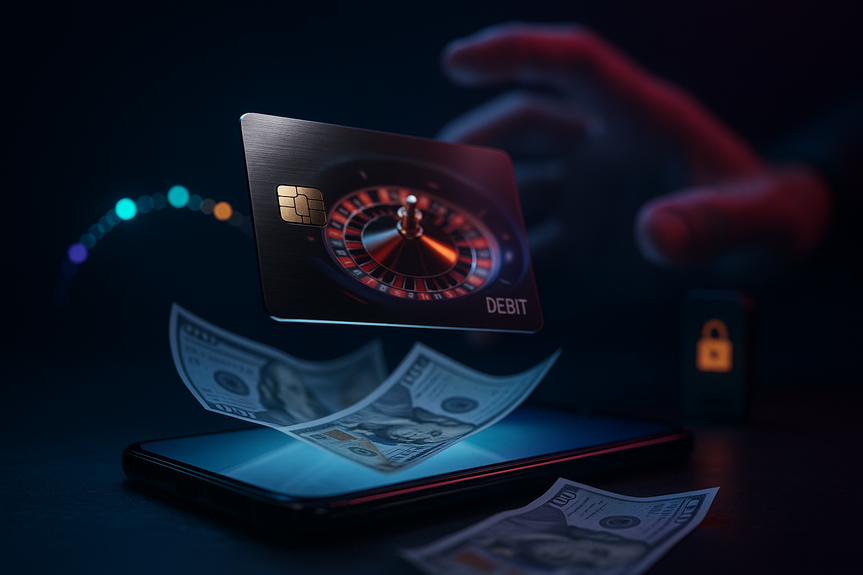
Tuyo is a Visa debit card that draws from a self-custody crypto wallet. It is built around a U.S. dollar stablecoin and uses Coinbase’s Base network. You can deposit and withdraw on popular chains like Ethereum, Arbitrum, Optimism, and Polygon. The company uses regulated partners to turn crypto into cash for purchases. It says foreign exchange spreads stay under 1%, but you still pay normal network fees at times. There is no credit line. No overdrafts. You can opt into “Earn” strategies that route funds through DeFi protocols to try to earn yield. That is optional and adds risk. The headline perk is a twist: sometimes, after you swipe, Tuyo may not charge you for that purchase at all.What does “buy now, pay maybe” really mean?
Tuyo says an algorithm sometimes waives a purchase to boost customer happiness. It claims this is not a lottery, sweepstakes, or game of chance. It also says it decides when to waive at its own discretion. It does not publish odds. Early after launch, the company said it waived more than 1,700 purchases to build buzz. In practice, this turns each payment into a small spin of a wheel. You cannot predict if the next coffee will be free. That randomness can change how you spend. It can push you to spend more often or spend more money, hoping for a “win.”Tuyo DeFi Visa card risks you should weigh
1) Randomized rewards drive impulsive behavior
Variable rewards are powerful. Casinos and loot boxes use them for a reason. The “maybe free” hook can build a habit fast and push you to chase another swipe. If you are prone to impulse buys, this mechanic is dangerous.2) Unknown odds mean the house sets the edge
The company does not share the frequency or value of waived charges. When odds are secret, the operator can shift them. That usually favors the house. Treat every free purchase as marketing spend, not a reliable perk.3) DeFi “Earn” exposes you to smart contract risk
Yield does not come free. DeFi protocols can break or get hacked. We have seen nine-figure exploits in crypto. If you park spending money in “Earn,” a bug or exploit could hit your balance before you buy groceries. Keep essential cash out of harm’s way.4) Self-custody and operational risk
You control your wallet. That is good, but it adds duties: – Lose your keys, lose your funds. – Send to the wrong chain, and you may not get it back. – Heavy network traffic can delay or raise fees. – Bridges and cross-chain moves add failure points.5) Stablecoin and off-ramp risk
Stablecoins try to track the dollar, but they still carry risk. Some issuers can freeze funds under certain rules or legal orders. Off-ramp partners can pause service or add limits during stress. FX spreads below 1% can look small, but network fees stack up, especially on low-cost purchases or on travel.6) Legal gray areas and changing rules
Tuyo says “buy now, pay maybe” is not gambling. Regulators may still ask hard questions. If rules shift, perks can change fast. Your experience can vary by country or state.7) Data and behavioral profiling
An algorithm that aims to “maximize satisfaction” learns your habits. It can time a freebie to keep you engaged. That raises privacy worries and deepens the engagement loop.8) Disputes are trickier with crypto rails
It is a debit setup that uses crypto conversion. Chargebacks and merchant disputes can get more complex and slower than a simple bank debit card. That matters if a big purchase goes wrong.How to avoid casino-style traps
Set rules before you spend
Protect your core funds
Assume the value of the perk is zero
Control fees and timing
Harden your wallet practices
Read the fine print once, then again
Track and verify
Is this card right for you?
Maybe yes if you:
Probably no if you:
Simple checklist before your first swipe
The bigger picture: gambling design in everyday finance
Sports betting, prediction markets, and memecoins have grown fast. Apps now use the same variable-reward loops that power social media addictions. Some users like the game. But many pay more than they think in fees, time, and attention. The lesson is simple: if a product feels like a casino, it likely pays the operator first and the user last. That does not make Tuyo automatically bad. It makes it a tool you must use with rules. Know how the rail works. Keep your float small. Treat “maybe” as zero. Protect savings from yield risk. And remember: the best perk is the purchase you did not make. The push to gamify money will not slow down. Your defense is habits that make random rewards boring and your budget strong. If you choose to try it, keep the upper hand by planning for the worst and smiling if you get a free coffee. That is how you turn Tuyo DeFi Visa card risks into a checklist you control, not a slot machine you feed.For more news: Click Here
FAQ
Q: What is the Tuyo Visa debit card and how does it work?
A: Tuyo is a Visa debit card that draws from a self‑custody crypto wallet built around a U.S. dollar stablecoin on Coinbase’s Base network and supports deposits and withdrawals on chains like Ethereum, Arbitrum, Optimism, and Polygon. The card uses regulated partners to convert crypto to fiat for purchases, offers optional DeFi “Earn” strategies for yield, and does not provide credit or overdrafts.
Q: What does “buy now, pay maybe” actually mean?
A: Tuyo’s “buy now, pay maybe” pitch means the company’s algorithm may waive certain purchases at its discretion and the firm says this is not a lottery, sweepstakes, or game of chance, while it reported waiving more than 1,700 purchases after launch. The lack of published odds makes the perk unpredictable and is a central Tuyo DeFi Visa card risk because it can change how people spend.
Q: What are the main security and operational risks with Tuyo?
A: Major security and operational risks include DeFi smart contract failures or hacks that can drain funds in “Earn,” and self‑custody duties where losing seed phrases or sending funds to the wrong chain can cause permanent loss. Stablecoin issuers or off‑ramp partners can freeze or pause service, and heavy network traffic, bridges, or cross‑chain moves can add delays and fees, which are important Tuyo DeFi Visa card risks to consider.
Q: How can I avoid the casino-style traps the card creates?
A: Set clear rules before you spend, such as a weekly cap, use the card only for planned routine purchases, and turn off promotional push alerts to reduce nudges. Keep only a small spend float on the card, do not put essential savings into “Earn,” batch small purchases to reduce network fees, and back up seed phrases offline or use a hardware wallet for long‑term funds.
Q: Is it safe to use Tuyo’s “Earn” feature for everyday expenses like groceries?
A: Using “Earn” for everyday expenses is risky because DeFi protocols can break or be hacked and the article notes nine‑figure exploits have occurred. Keeping essential cash out of “Earn” is recommended since a bug or exploit could hit your balance before you buy groceries, which illustrates a core Tuyo DeFi Visa card risk.
Q: Will disputes and chargebacks work the same as a regular bank debit card?
A: No; disputes are trickier with crypto rails because chargebacks and merchant disputes can be more complex and slower than with a simple bank debit card. The article advises keeping receipts, reconciling your wallet and bank statements monthly, and reporting issues quickly because crypto rails are less forgiving over time.
Q: How does the card’s randomness affect my spending habits?
A: Variable rewards and unpredictability can create addictive spending patterns by preying on the same psychological hooks as casinos and loot boxes, and the algorithm can learn your habits to time freebies and keep you engaged. That behavioral profiling and gamified nudging are listed as core Tuyo DeFi Visa card risks because they can push users to chase more swipes instead of sticking to a budget.
Q: Who is the Tuyo card suitable for and who should avoid it?
A: It may suit people who understand crypto wallets, can handle self‑custody duties, keep a strict budget, and treat the “maybe” perk as entertainment rather than income. People who struggle with impulse spending, plan to store major funds on the card or in “Earn,” need predictable consumer protections, or rely on the card for travel or high‑ticket purchases should probably avoid it.
* The information provided on this website is based solely on my personal experience, research and technical knowledge. This content should not be construed as investment advice or a recommendation. Any investment decision must be made on the basis of your own independent judgement.
Contents