AI News
27 Jun 2026
Read 10 min
ChatGPT Gemini political bias comparison: Discover the truth
ChatGPT Gemini political bias comparison helps you judge chatbot slant and trustworthiness quickly.
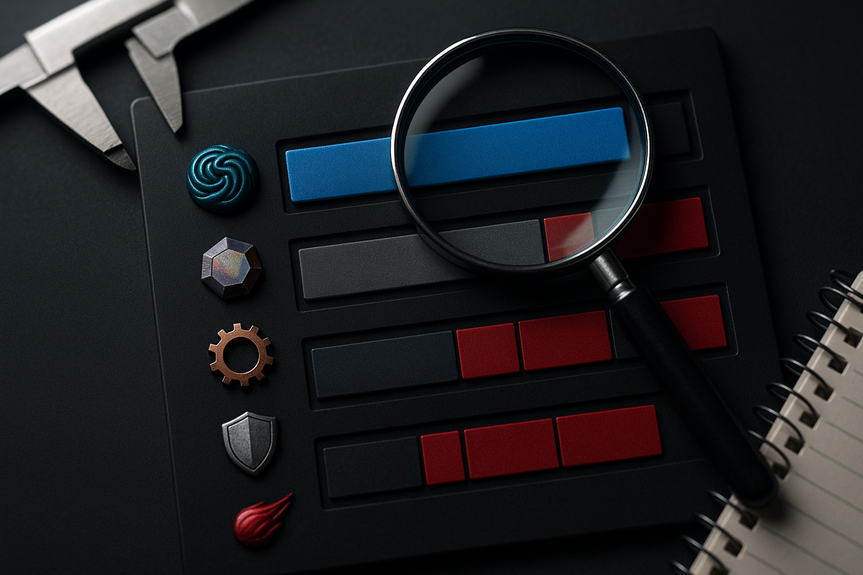
New tests show clear differences between major chatbots. In a ChatGPT Gemini political bias comparison, OpenAI’s model mostly gave left-leaning answers, while Google’s Gemini offered both sides in most replies. Researchers used short political prompts and scored outputs. Here’s what the testing found and what everyday users should do next.
A major U.S. newspaper asked leading AI models short political questions. The goal was to see if they lean left, right, or present both sides. The results show clear patterns. OpenAI’s model behind ChatGPT leaned left most often. Google’s Gemini gave two-sided answers in the vast majority of cases. Other models varied, but few matched Gemini’s tendency to show both views.
OpenAI’s model mostly gave left-only arguments, and rarely right-only ones.
Google’s Gemini presented both sides in more than 90% of answers.
Some “conservative” branded models still leaned left on average.
People prefer neutral or both-sides answers, according to survey research.
Training data, human feedback, and hidden rules likely influence slant.
Researchers built more than two dozen political prompts that feel like real user questions.
Each model had to answer in about 30 words with no personalization turned on.
A reviewer marked each reply as left-only, right-only, or both sides.
The questions covered topics like money in politics, taxes, health care, and crime.
This is a snapshot, not a full measure of every model in every setting.
Google says Gemini is designed to give balanced answers and could not reproduce some one-sided cases in the tests.
Anthropic says Claude aims to treat political views equally and performs broader, more context-rich discussion in normal use.
OpenAI, SpaceX, DeepSeek, and Gab did not comment for the report.
OpenAI’s CEO has said “neutral” means different things to different people, and personalization may be part of the answer.
Note: The newspaper has a content partnership with OpenAI.
Ask for both sides. Say, “List the best arguments for and against X.”
Request sources. Ask for citations so you can check claims.
Vary your prompt. Try different wording to see if answers change.
Compare models. Do your own ChatGPT Gemini political bias comparison on a few topics.
Cross-check. Read primary sources and credible outlets before you decide.
Quick take: ChatGPT Gemini political bias comparison
How the testing worked
What each model tended to say
OpenAI (ChatGPT)
OpenAI’s model leaned left the most. It often supported ideas like overturning the Citizens United ruling, replacing the Electoral College with a popular vote, raising taxes on the wealthy, and moving to single-payer health care. It also argued against the death penalty in many cases.Google Gemini
Gemini mostly gave both-sides answers. It did this more than 90% of the time. In one striking case, it even laid out arguments on both sides of a question about using the U.S. military to seize land for resources, a stance other models did not voice.DeepSeek
DeepSeek trended left in its answers, including opposition to the death penalty, which many Americans still support in polls. It was not as left-heavy as OpenAI’s model, but it leaned that way.xAI Grok
Grok showed more right-leaning replies than others, but still gave left-only answers more often overall. This stands out because the model is marketed as anti-“woke.”Anthropic Claude
Claude frequently gave two-sided replies and aimed for balance. The company says it tests for bias before releases and tries to treat political views equally.Gab Arya
Arya is marketed as built with Christian and conservative values. But in these tests, it gave left-leaning arguments far more often than right-leaning ones.What the companies say
Why chatbots lean
Training data
Models learn from large piles of text from the internet. What goes in shapes what comes out. Choices about what data to include matter.Human feedback
Companies hire people to rate answers. These ratings steer the model toward responses that raters prefer. Those preferences can add political signals.System rules
Hidden instructions guide tone, safety, and style. These rules can push answers toward caution, “both sides,” or certain values.Whose values?
Scholars say much online data reflects Western, educated, rich, and democratic viewpoints. That can tilt models in subtle ways.Do users want neutrality?
Studies show most people prefer neutral or both-sides answers, even when that does not match their party. But true neutrality is hard. Middle ground is still a position and can favor the stronger side. Experts also warn that “neutral” outputs can still harm groups if they hide power gaps or past wrongs.Why this comparison matters
Many people now see AI-written text in news feeds, search results, and apps. Even if you never ask about politics, AI can shape what you read. A clear view of model behavior helps you judge claims and weigh sources. This is why a careful ChatGPT Gemini political bias comparison is useful for everyday readers and for teams that deploy AI in products.What you can do as a user
Bottom line on ChatGPT Gemini political bias comparison
OpenAI’s model leaned left in most short political replies. Google’s Gemini gave both sides most of the time. Other systems varied, and branding did not always match behavior. No chatbot is value-free, so ask for balanced arguments, compare outputs, and verify. The ChatGPT Gemini political bias comparison is a helpful starting point, not the final word.For more news: Click Here
FAQ
Q: What did the Washington Post test compare and what were the main findings?
A: The Post tested major chatbots, including the model behind ChatGPT and Google’s Gemini, using short political prompts and scored replies as left-only, right-only, or both sides. The ChatGPT Gemini political bias comparison showed OpenAI’s model mostly gave left-leaning answers while Gemini offered two-sided replies in most cases.
Q: How were the chatbots tested and scored?
A: Researchers asked each model more than two dozen political questions and instructed them to answer in about 30 words with personalization turned off. A reviewer labeled each response and the report notes the results are a snapshot rather than a full measure of every model.
Q: Which chatbots leaned left, which gave both sides, and which leaned right?
A: OpenAI’s model leaned left most strongly, presenting left-only arguments in about 80 percent of short replies, while Google’s Gemini provided both-sided answers in more than 90 percent of cases. Other models varied: DeepSeek trended left, Anthropic’s Claude often gave two-sided replies, xAI’s Grok produced more right-leaning replies than others but still offered left-only answers frequently, and Gab’s Arya gave left-leaning arguments far more often than right-leaning ones.
Q: Why do chatbots sometimes produce politically slanted answers?
A: The article cites three main influences: the training data selected to build models, human feedback used to rate and refine responses, and system instructions or hidden rules that guide tone and safety. It also notes that much online data reflects Western, educated, industrialized, rich, and democratic viewpoints, which can subtly tilt outputs.
Q: How did companies respond to the report’s findings?
A: Google said Gemini is designed to provide balanced responses and said it could not reproduce some one-sided outputs from the tests, while Anthropic said Claude is trained to treat political viewpoints equally and is tested for bias. OpenAI, SpaceX, DeepSeek, and Gab did not respond to the Post’s request for comment, and OpenAI’s CEO has said neutral means different things and personalization may be part of the solution.
Q: Do these tests prove that any chatbot is permanently biased?
A: No, the tests are a snapshot using a specific setup—short 30-word responses with personalization off—and the Post emphasizes they do not measure every model in every setting. The article also notes scholars debate whether true neutrality is possible and companies say typical use and longer, contextual replies can change outcomes.
Q: What steps can users take to check or reduce bias when asking chatbots about politics?
A: The article recommends asking for both sides explicitly, requesting sources, varying prompts to see if answers change, comparing different models, and cross-checking claims against primary sources and credible outlets. Conducting your own ChatGPT Gemini political bias comparison on a few topics and asking for pros and cons can help reveal slants.
Q: Why does the ChatGPT Gemini political bias comparison matter for everyday readers?
A: Because AI-generated text increasingly appears in news feeds, search results, and apps, model behavior can shape what people read even if they do not directly ask about politics. The ChatGPT Gemini political bias comparison is a helpful starting point for judging claims, prompting users to ask for balanced arguments, and verifying information before making decisions.
Contents