AI News
26 Jun 2026
Read 9 min
Google DeepMind A24 AI investment what fans must know
Google DeepMind A24 AI investment promises faster film workflows while fans fear creative loss now
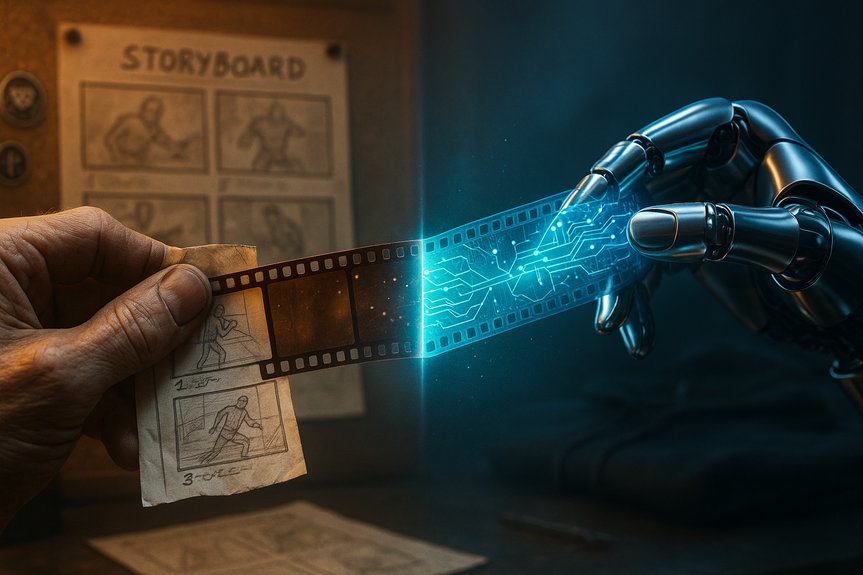
Google DeepMind A24 AI investment puts $75 million into tools that speed up pre-production, like storyboards and technical planning, without giving Google access to A24’s content library. Supporters expect faster workflows; fans fear more machine-made art. Here is what’s included, what’s not, and why this move could shape the films you see next.
A24 built a cool, indie image by backing fresh voices and bold stories. That image now collides with big tech money and AI. The studio says the tools will help with planning, not with replacing creators. Still, many fans feel uneasy. Some fear that the charm and mess of human work could get sanded down by software. Even Kane Parsons, the rising director behind A24’s Backrooms, called AI “cultural rot,” signaling real concern from inside the creative community.
What the Google DeepMind A24 AI investment covers
The deal at a glance
- $75 million from Google to A24, focused on AI tools for filmmaking workflows
- DeepMind will help build software for storyboarding and technical specs
- No access for Google to A24’s data or content library
- Goal: speed up planning and reduce friction before cameras roll
What these tools could change
- Faster storyboard drafts, with quicker tweaks for directors and department heads
- Clearer technical plans for lenses, lighting, and sound setups
- Better version control across teams, so everyone works from the same plan
- More time saved for rehearsals, scouting, and scene problem-solving
What it is not
- Not a data grab: A24’s content library stays off-limits, per reports
- Not a public plan to replace writers, actors, or directors
- Not a shortcut to taste or vision; it targets process, not ideas
Why fans are upset
A24’s rebel image meets AI reality
A24 earned trust by backing daring films and new talent. Fans bought the merch and the myth. When a company like that embraces AI, it feels like a shift in values. People fear that efficiency may outrun originality, and that brand love got used to sell tech, not art.Creators voice warnings
Kane Parsons, who is directing Backrooms for A24, has called AI “cultural rot.” That phrase captures a core fear: art becomes product when machines guide too many choices. Even if the tools focus on planning, fans worry the slope is slippery. Today it is boards; tomorrow it could be edits, casting, or scripts.Opportunities and risks for filmmakers
Potential upsides
- Lower costs in pre-production could keep risky ideas alive
- Small teams might plan like big studios and spend more time on set craft
- Faster feedback loops could sharpen scenes before they are shot
- Cleaner handoffs between departments could reduce mistakes
Potential downsides
- Fewer entry-level jobs in areas like storyboarding and planning
- Tool lock-in that nudges crews toward the same “look” and choices
- Less happy accident and experimentation if software nudges decisions
- Ongoing ethical questions about credit, data use, and labor
How to watch the Google DeepMind A24 AI investment unfold
Signals that matter
- Transparency: Will A24 and Google share how the tools are used on projects?
- Credits: Will department leads and artists still get clear credit for their work?
- Labor: Do new tools respect union rules and protect crew roles?
- Quality: Do films feel more samey, or do they keep their edge and voice?
- Access: Do indie creators outside A24 get to use similar tools, or is this a closed advantage?
What audiences can do
- Follow reporting from trusted outlets on how productions use AI
- Support films that show strong human vision and craft
- Listen to crew and cast who explain what changed on set
The Google DeepMind A24 AI investment and the future of film
This partnership sits at the line between art and profit. If it saves time without dulling ideas, it could help bold movies get made. If it pushes sameness, fans will feel it on screen. In the end, films live or die by human choices. The best outcome keeps artists in charge and uses software only as a tool. For now, stay curious, ask hard questions, and watch how the Google DeepMind A24 AI investment shapes the next slate of stories.For more news: Click Here
FAQ
Q: What exactly is the Google DeepMind A24 AI investment?
A: The Google DeepMind A24 AI investment is a $75 million commitment from Google to A24 to develop AI tools aimed at speeding up pre-production tasks such as storyboarding and technical planning. According to reports, the deal focuses on workflows and does not give Google access to A24’s content library.
Q: Which parts of filmmaking will the new AI tools target?
A: The tools are designed to streamline pre-production work like faster storyboard drafts, clearer technical plans for lenses, lighting, and sound setups, gear planning, and version control so teams work from the same plan. The emphasis is on process improvements rather than replacing writers, actors, or directors.
Q: Does the investment give Google access to A24’s films or data?
A: No, the reported deal does not give Google access to A24’s content library or data, and the partnership is described as focused on building workflow tools rather than acquiring creative assets. The article explicitly calls it “not a data grab” and stresses the tools target process, not ideas or taste.
Q: Why are fans and some creators upset about the collaboration?
A: Fans worry the move clashes with A24’s indie, creative-first image and fear that efficiency-focused AI tools could sand down the charm and mess of human work, reducing originality. Some creators, including Kane Parsons, have voiced concern and described AI as “cultural rot,” signaling unease from within the creative community.
Q: What potential benefits might the Google DeepMind A24 AI investment bring to filmmakers?
A: Supporters say the Google DeepMind A24 AI investment could lower pre-production costs, help risky ideas survive, speed up feedback loops, and free up time for rehearsals, scouting, and on-set problem-solving. Small teams could plan with more precision and reduce mistakes through better handoffs between departments.
Q: What are the main risks for film crews and the industry from these AI tools?
A: The article lists risks including fewer entry-level jobs in storyboarding and planning, tool lock-in that nudges crews toward the same look and choices, and the loss of happy accidents and experimentation that can shape a film. It also raises ongoing ethical questions about credit, data use, labor, and whether new tools will respect union rules.
Q: How can audiences and industry watchdogs keep track of how these AI tools are used?
A: Audiences and reporters should watch for transparency from A24 and Google about tool use, clear credits for department leads, and whether labor and union rules are respected in productions. They can also follow trusted reporting, support films that emphasize human vision and craft, and listen to crew and cast accounts about what changed on set.
Q: Could these AI tools eventually replace writers, directors, or actors?
A: According to the article, the Google DeepMind A24 AI investment is not a public plan to replace writers, actors, or directors and is meant to target processes like storyboarding and technical planning rather than taste or vision. The best-case scenario described keeps artists in charge and treats software only as a tool.
Contents