Crypto
01 Aug 2026
Read 12 min
how Fed hold affects crypto and how to respond *
How Fed hold affects crypto and what traders can do to protect positions and seize opportunities now
The Federal Reserve kept rates at 3.5%–3.75%, and Bitcoin and Ethereum slipped about 1%. Here’s how Fed hold affects crypto: a steady rate can cool risk appetite short term, but the real driver is what comes next. With no new projections until September, traders must watch inflation, oil, and Fed signals to set their plays.
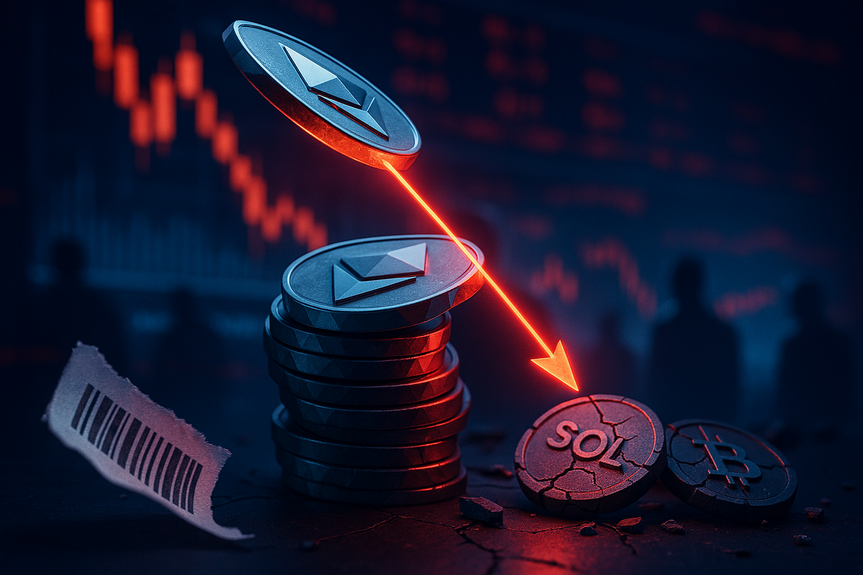
Markets got what they expected: another rate hold. Stocks turned lower after the announcement, and Bitcoin and Ethereum each dipped about 1%. The move followed five straight holds since a small cut in December 2025. Under Chair Kevin Warsh, the Fed is saying less and guiding less. That makes data, not words, the main map for investors—and it explains the quiet but tense response in crypto.
The Fed did not release a dot plot or new economic projections. The committee said growth is solid and inflation is still above 2%, with higher energy costs adding pressure. Oil has stayed strong, and a fresh flare-up in the Middle East helped push prices up before the meeting. Three regional Fed presidents even voted for a hike now, showing a tougher tone inside the room. The next big Fed update lands on September 16, 2026.
Risk appetite: Higher or steady real yields can pull capital away from volatile assets. A hold can cap upside if investors expect a later hike.
U.S. dollar strength: If the dollar holds firm, crypto often faces pressure since many pairs trade against USD.
Liquidity and leverage: Funding costs for margin and futures matter. A hold does not lower funding pressure. That can limit long, leveraged bets.
DeFi and staking yields: When T‑bill rates are stable and high, on-chain yields must compete. This can shift flows toward stablecoin farming or tokenized T‑bills.
Valuations and narratives: Without a fresh dot plot, macro uncertainty stays high. That pushes traders to price action and levels rather than long-term stories.
Inflation prints: CPI and PCE will drive rate expectations. Softer prints support risk; sticky prints boost hike odds.
Jobs data: Strong payrolls and rising wages can keep pressure on the Fed. A cooling labor market eases it.
Oil and energy: Higher oil lifts headline inflation and can push the Fed hawkish, which can weigh on crypto.
Dollar index (DXY): A rising dollar often pressures BTC and ETH; a softer dollar can help them.
Financial conditions: Credit spreads and equity volatility (like the VIX) show how easy or tight markets feel.
FOMC speakers: Even with less guidance, comments can nudge odds for a hike or hold.
September dot plot: This is the roadmap. Fewer expected cuts or a higher “longer run” rate can cap risk appetite.
ETF flows: Watch spot Bitcoin ETF inflows/outflows. Consistent inflows can offset macro headwinds.
On-chain data: Funding rates, open interest, and realized volatility reveal positioning and stress points.
Size positions for a range: A hold plus high uncertainty favors range trading—do not oversize.
Use levels, not guesses: Map support and resistance on BTC and ETH. Trade the levels and respect stops.
Keep some dry powder: Cash or stablecoins let you buy dips if data breaks dovish.
Automate a core DCA: A slow, steady buy plan reduces timing risk while you trade around it.
Options: Put spreads can cap downside without huge cost. Covered calls can harvest premium in ranges.
Perps/futures: Small, time-bound hedges can offset spot risk. Use hard stops to limit loss.
Correlation hedges: If you hold high-beta alts, consider balancing with BTC or a dollar exposure.
Tilt risk on the margin: Increase BTC/ETH weight first, then selective large-cap alts with real use or cash flow.
Extend holding periods: Let winners run; reduce quick scalps as trend improves.
Watch rotation: Liquidity usually hits BTC first, then ETH, then quality alts. Avoid chasing late-stage pumps.
Reduce beta: Favor BTC over alts. Cut leverage. Shorten trade horizons.
Favor income: Park more in stablecoins and earn conservative on-chain yield. Avoid illiquid farms.
Protect downside: Keep puts on core positions into key data releases.
Trade the range: Sell premium when volatility spikes; buy volatility when it gets too cheap.
Respect funding: If funding turns rich, fade crowded longs with tight risk.
Stay data-driven: Adjust quickly after CPI, PCE, and jobs without anchoring to old views.
Assuming a hold equals a pivot: A pause can precede a hike if inflation rises again.
Overusing leverage in a range: Choppy markets punish overexposed longs and shorts.
Ignoring the dollar: A strong USD can mute even good crypto news.
Chasing the first move: Initial reactions to Fed days often reverse. Wait for confirmation.
Forgetting liquidity risk: Thin books in alts can turn a small macro shift into a big drawdown.
Next FOMC decision: September 16, 2026, with a fresh dot plot and projections.
Monthly checkpoints: CPI (mid-month), PCE (month-end), and payrolls (first week) set the tone.
Keep watch on energy and geopolitics: Oil spikes can feed inflation and press the Fed hawkish.
Markets heard “no change,” but they also heard “no comfort.” A hold keeps choices open. For crypto, that means direction will come from data and flows, not from a promise of easy money. Understanding how Fed hold affects crypto helps you shape risk, pick spots, and stay patient until the path clears.
In the end, your edge is preparation. Track the calendar. Size your trades. Protect your downside. When the data turns, you will be ready to lean with it—not chase it. And that is the most practical way to use how Fed hold affects crypto to your advantage.
how Fed hold affects crypto: what the pause means
Rates, risk, and the crypto bid
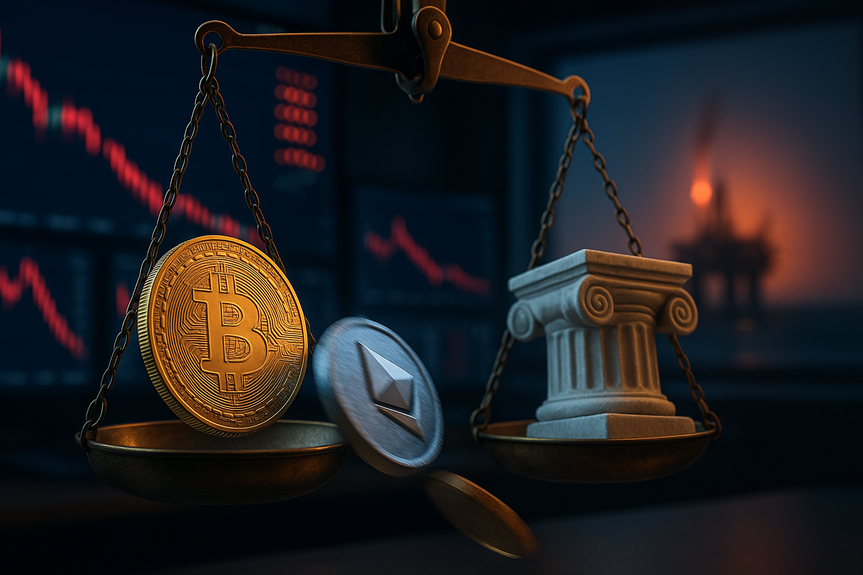
A rate hold keeps borrowing costs the same, but it does not remove the risk of a future hike. That tension matters. When safe yields stay decent, some money parks in cash or Treasurys instead of chasing coins. When a cut looks likely, risk assets often get a stronger bid. Today’s pause sits in between. It keeps the door open to both paths. Here are the main channels that explain how Fed hold affects crypto:Short term vs. next move
Right after the decision, crypto saw a small dip and then a range. That makes sense. No new projections means no new anchor. But the hawkish dissent—three voters wanted a hike—keeps a ceiling on risk. If oil stays near or above $100 and inflation runs hot, odds of a September hike rise. If inflation cools, the hold could last and cuts can come back into view for 2027.Bitcoin and Ethereum: same shock, different gears
Bitcoin often trades like “macro beta” with a store-of-value twist. In a hold, BTC can grind sideways if flows from ETFs or large buyers stay stable. If a hike nears, BTC tends to hold up better than smaller coins because it is more liquid and seen as safer within crypto. Ethereum has extra moving parts. Staking yield competes with real yields in TradFi. If Treasury yields stay high, ETH’s relative income looks less special, which can weigh on price. On the other hand, lower gas fees and strong Layer-2 growth can support use and developer activity. Still, when macro tightens, ETH and altcoins often lag BTC.Key signals to watch before September
Macro data that moves crypto
Fed signals and flows
Action plan: respond to a pause with discipline
Build a simple base plan
Hedge what you can measure
Playbooks for three paths
1) Inflation cools, Fed stays on hold or hints at cuts
2) Oil climbs, inflation stays sticky, hike risk rises
3) Guidance stays sparse, markets chop
Common mistakes during a Fed pause
Timeline and what’s next
(Source: https://decrypt.co/374672/bitcoin-ethereum-price-fed-holds-rates-steady)
For more news: Click Here
FAQ
Q: What immediate market moves followed the Fed’s decision to hold rates?
A: The Federal Reserve held its benchmark rate at 3.5%–3.75%, and Bitcoin dipped about 1% to roughly $63,890 while Ethereum fell about 1% to just above $1,900. Stocks also sold off amid hawkish dissents and a geopolitical oil shock.
Q: Why was the crypto reaction to the rate hold relatively muted?
A: The Fed provided no dot plot or new projections and Chair Kevin Warsh has pledged less forward guidance, leaving traders to rely on data rather than fresh Fed signals. This illustrates how Fed hold affects crypto: without new guidance, direction depends on macro data, oil moves, and flows.
Q: Which economic indicators should crypto traders monitor before the September Fed meeting?
A: Traders should watch inflation prints (CPI and PCE), jobs data, oil and energy prices, the dollar index (DXY), and financial conditions such as credit spreads and equity volatility. These indicators drive rate expectations and therefore influence crypto flows.
Q: How does a rate hold affect risk appetite, liquidity, and leverage in crypto markets?
A: A hold keeps borrowing costs unchanged, which can cap upside because steady real yields make cash and Treasurys relatively attractive. It also leaves funding costs for margin and futures in place, limiting leveraged long positions.
Q: How do Bitcoin and Ethereum typically respond differently to a Fed pause?
A: Bitcoin often behaves like a liquid “macro beta” asset and can grind sideways or hold up better during a pause, while Ethereum faces extra pressure because staking yields compete with tradfi yields. As a result, ETH and smaller altcoins tend to lag BTC when macro tightening or uncertainty rises.
Q: What practical trading and hedging strategies does the article recommend during a Fed pause?
A: The article advises sizing positions for range trading, using support and resistance with stops, keeping dry powder or stablecoins for dips, and maintaining a core DCA plan. For hedges it suggests put spreads or covered calls, small time-bound perp/futures hedges, and correlation hedges between alts and BTC.
Q: What common mistakes should traders avoid while the Fed keeps rates steady?
A: Avoid assuming a hold equals a pivot, overusing leverage in choppy ranges, ignoring dollar strength, chasing the initial move on Fed days, and underestimating liquidity risk in smaller tokens. Those errors can turn small macro shifts into outsized drawdowns.
Q: When will the Fed next update its projections, and why will that matter for crypto?
A: The next FOMC decision with an updated dot plot and projections is scheduled for September 16, 2026, and that release should give markets a clearer roadmap for rate expectations. A dot plot that shows higher rates or fewer expected cuts would cap risk appetite, while more dovish projections could help revive demand for crypto.
* The information provided on this website is based solely on my personal experience, research and technical knowledge. This content should not be construed as investment advice or a recommendation. Any investment decision must be made on the basis of your own independent judgement.
Contents