AI News
02 Aug 2026
Read 8 min
How AI tools to counter tear gas aided protesters
AI tools to counter tear gas helped protesters prepare countermeasures, prompting the police probe.
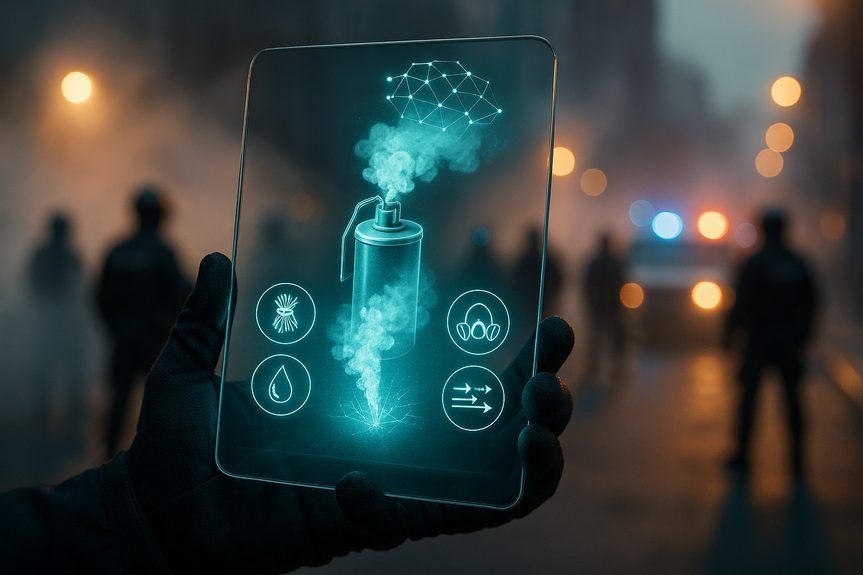
Delhi Police say some protesters turned to AI tools to counter tear gas during the July 20 “Chalo Sansad” march. Investigators are reviewing video, digital traces, and supply chains as they track injuries and damage across central Delhi. The probe shows how fast online prompts can shape street tactics, and how law, safety, and tech now intersect.
Police in New Delhi are examining claims that some participants used generative platforms to learn ways to blunt crowd-control measures. Officers say the review will take time as teams sift through hours of footage and large sets of electronic data. No AI platforms have been named yet, and police have not shared if any devices have been forensically searched.
Over 200 police personnel were injured, officials said.
More than 65 protesters were also hurt.
Over 15 vehicles, including police vans, were damaged.
Video from CCTV, media, and bystanders
Social media posts and messages
Possible device searches, if approved
Supply lines for safety gear
Alleged presence of 2,800 people with prior records
Whether police name the AI services allegedly used
Forensic findings from seized devices, if any
Verified links between online searches and actions at the protest
Charges filed based on clear, time-stamped evidence
Policy steps on digital content that promotes risky protest tactics
AI tools to counter tear gas: what investigators allege
How police say AI shaped planning
Officers told reporters that some protesters looked up guidance online to reduce exposure to chemical agents and to prepare for clashes. Police also allege that organizers handed out hard hats, masks, and goggles to help people hold their ground if police used force.What is known and what is not
– Police have not disclosed the tools or websites allegedly used. – The claims are based on early leads and are still under review. – Investigators say they will match digital clues with on-ground actions before reaching firm conclusions.Clashes, injuries, and damage
The march saw tense standoffs at Parliament Street, Connaught Place, and Jantar Mantar. Police said the crowd tried to breach barricades, which triggered baton charges and the use of tear gas. Reports also mention stone-pelting in parts of the route.What the investigation is reviewing
Digital and on-ground evidence
Police teams are piecing together the timeline using video, social posts, and other electronic records. They aim to link faces, messages, and movements to specific acts seen on camera.Why the AI angle matters
The claim that some people used AI tools to counter tear gas raises new policy questions. It shows how quickly simple prompts can spread tactics through a crowd. It also tests how police gather proof online while protecting rights and privacy.Safety, speech, and platform duties
– Rapid answers can move from screens to streets within minutes. – Unchecked tips can cause harm or escalate confrontations. – Platforms face pressure to limit content that encourages risky conduct. – Authorities must balance free expression with public safety and due process.What to watch next
Key signs of where the case is headed
Context without the playbook
This story sits at the junction of protest, policing, and technology. It is important to understand the impact AI can have on real-world behavior without turning coverage into a how-to guide. The focus here is on the investigation, the scale of the clashes, and the wider debate on responsible use of AI in public events.Takeaways for readers and officials
– Quick, AI-driven guidance can change crowd behavior, for better or worse. – Transparency about methods and evidence will shape public trust in the probe. – Clear rules for platforms and users can reduce harm while protecting rights. – Training for officers on digital trends can help de-escalate fast-moving scenes. In the end, the investigation will hinge on proof: what people searched, what they shared, and what they did. As authorities map those links, one issue will remain central—how the spread of AI tools to counter tear gas affects safety, accountability, and the future of public demonstrations.For more news: Click Here
FAQ
Q: What are police alleging about protesters’ use of AI tools to counter tear gas during the July 20 “Chalo Sansad” march?
A: Delhi Police allege some protesters used generative AI platforms to search for ways to blunt crowd-control measures, including methods like wet jute bags to reduce tear gas effects and preparation with protective gear. The probe is reviewing digital traces and hours of footage to substantiate these claims.
Q: What types of evidence are investigators reviewing to verify claims about AI-driven tactics at the protest?
A: Police teams are analysing video from CCTV, media and bystanders, social media posts, electronic records and other material to link online activity with on-ground actions. They are also looking into supply lines for safety gear and may seek forensic device searches if approved.
Q: Have authorities identified which AI platforms were used or said they have forensically examined protesters’ devices?
A: No; police have not disclosed the names of any AI platforms allegedly accessed, nor confirmed whether any digital devices have been forensically examined at this stage. The investigation is ongoing and officials say collecting and matching digital evidence is time-consuming.
Q: What on-ground conflict and damage occurred during the July 20 protest that is part of the investigation?
A: The march saw clashes at Parliament Street, Connaught Place and Jantar Mantar, with police using lathi-charge, tear gas and pellet guns after alleged attempts to breach barricades and reports of stone-pelting. Authorities reported more than 200 police personnel and over 65 protesters injured, and damage to more than 15 vehicles.
Q: Why does the alleged use of AI tools to counter tear gas raise broader policy and safety concerns?
A: The claim highlights how rapidly online prompts can spread tactics to crowds, potentially escalating confrontations and posing safety risks. It also raises questions about platform responsibility, limits on content that encourages risky conduct, and how authorities balance public safety with free expression.
Q: What indicators will police likely look for to link online searches to actions taken during the protest?
A: Investigators aim to match faces, messages and movements seen in video with time-stamped digital clues such as social posts or device records, and they will examine supply chains for protective gear to establish connections. Officials listed verifying links between online searches and on-ground acts and forensic findings from seized devices as key signs to watch next.
Q: What protective items did police allege were distributed to protesters, and why is that significant?
A: Police allege organisers handed out hard hats, face masks and protective goggles, which they say may have been intended to help participants withstand police action. Such distribution factors into the probe as investigators trace supply lines and assess whether items were meant to facilitate confrontations.
Q: What are the next steps or developments to watch in the probe into the use of AI tools to counter tear gas?
A: Key developments include whether police name the AI services allegedly used, forensic findings from any seized devices, verified links between online searches and actions at the protest, and any charges filed based on clear, time-stamped evidence. Observers are also watching for policy responses on digital content that promotes risky protest tactics.
Contents