AI News
08 Sep 2026
Read 8 min
Will AI replace film actors Discover 5 reasons it won’t
will AI replace film actors? Producer Grimich argues AI enriches storytelling and keeps actors vital.
Debates rage: will AI replace film actors? Industry voices say no. AI speeds tasks and reduces costs, but it cannot match human emotion, consent-based rights, star-driven financing, on-set improvisation, and culture’s need for real faces. Expect AI to assist performers, not erase them.
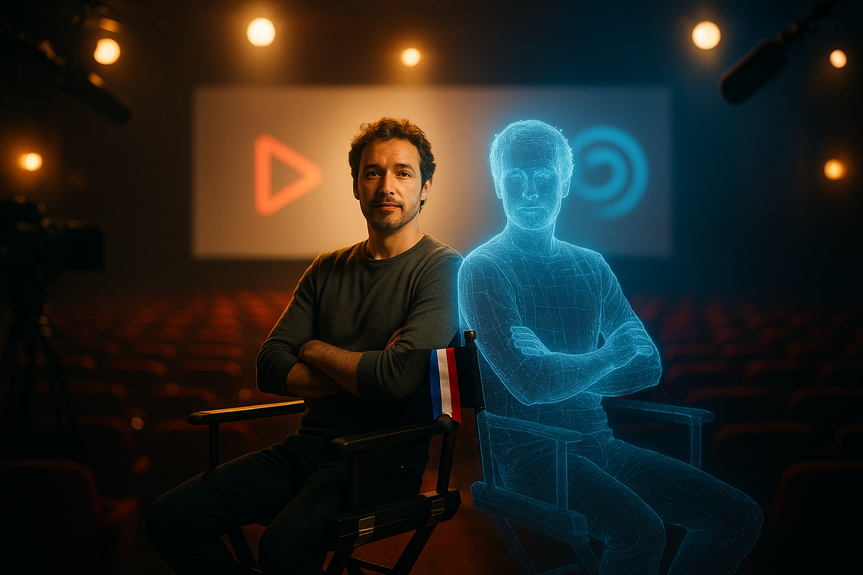
On France 24, producer Lahoucine Grimich called AI “just a tool.” He pushed back on talk of crisis and pointed to the French model, where streamers, public funds, and cinemas support each other. He said films help societies see themselves and build “new imaginaries.” That vision makes human performers central, not optional.
Pitch and pre-visualization: fast storyboards, shot lists, and look tests help directors plan.
Safer action: stunt pre-vis, body tracking, and cleanup remove danger while keeping performers central.
Aging and de-aging: subtle tweaks with on-camera consent preserve the real performance.
Voice tools and ADR: cleaner dialogue and smart dubbing improve clarity across languages.
Crowd and background: scalable extras with labeling and fair-pay rules prevent misuse.
Post-production polish: denoise, upscaling, and color tools keep artistry while reducing grind.
Used this way, AI clears space for actors to act and for crews to craft.
Clear consent-by-default: no likeness capture or reuse without opt-in and fair pay.
Transparent labeling: audiences should know when AI altered a scene.
Updated contracts: protect voice, face, body scans, and motion data over time.
Skills training: give actors and crews AI literacy so they lead the change.
Public support tied to people: fund programs that keep human performance at the center, like the French financing chain that links streamers, cinemas, and culture funds.
These steps keep trust high and keep artists in charge.
Actors are storytellers, not placeholders. AI can polish a shot or build a crowd, but it cannot live a life on screen. With consent, credit, and smart funding, the industry will use AI to lift human talent, not to erase it. So, will AI replace film actors? No—because cinema, at heart, is human.
Will AI replace film actors? 5 reasons it won’t
1) Human emotion still leads the story
Digital faces can copy a smile, but they do not feel stakes, fear, or joy. Viewers sense micro-expressions, breath, and eye contact. These tiny cues build trust and empathy. Great scenes often come from a living actor’s surprise or pain in the moment. That spark is hard to fake and easy to miss when it is not real.2) Consent, rights, and ethics set hard lines
Studios now face clear rules about likeness, voice, and pay. Unions demand consent and compensation for any digital doubles. Laws are growing around deepfakes, transparency, and credit. Even if tech can clone a performance, producers must prove permission and fairness. Strong rules make AI a support tool, not a shortcut around people.3) Money follows people, not code
Stars help raise budgets, sell tickets, and win spots on big platforms. Festivals still celebrate actors, and fans follow names across genres. As Grimich noted, the French system shows how streamers, public support, and cinemas fund films together. That ecosystem values recognizable talent. Replacing actors would weaken the very engine that finances movies.4) Sets are living spaces, not only scripts
Directors shape scenes with actors in real time. Performers riff, find new beats, and fix lines that do not land. Crew respond to that energy. Whole moments appear by accident and become iconic. So, will AI replace film actors? Not when the best results come from active, human back-and-forth on set.5) Culture wants to see itself
Audiences do not just want content; they want connection. Local accents, bodies that age, and faces with history matter. Grimich calls this cultural sovereignty: films help societies “recognise themselves” and imagine a future. The question “will AI replace film actors” misses that people carry memory and meaning that code cannot own.How AI helps actors and filmmakers today
AI is useful when it saves time, cuts risk, or expands access—without stealing credit.What needs to happen next
For more news: Click Here
FAQ
Q: Will AI replace film actors?
A: No. Industry voices in the article say AI is “just a tool” that will assist performers rather than replace them because human emotion, consent rules, and star-driven financing keep actors central.
Q: What artistic limitations prevent AI from fully replacing actors on screen?
A: Digital faces can copy a smile but they do not feel stakes, and viewers sense micro-expressions, breath, and eye contact that build trust and empathy. On-set surprises and a living actor’s spontaneous reactions often create great scenes that are hard for AI to replicate.
Q: How do consent, rights and ethics limit AI use in filmmaking?
A: Studios face clear rules about likeness, voice, and pay, and unions demand consent and compensation for any digital doubles, so producers must prove permission and fairness. Laws around deepfakes, transparency, and credit are growing, which makes AI a support tool rather than a shortcut around people.
Q: Why does star power and financing make it unlikely that AI will replace film actors?
A: Stars help raise budgets, sell tickets, and win spots on big platforms, so replacing recognizable talent would weaken the engine that finances movies. The article points to the French ecosystem where streamers, public support, and cinemas form an interconnected financing chain that values human performers.
Q: What practical tasks does AI currently perform to help actors and filmmakers?
A: AI speeds pitch and pre-visualization, assists with safer action through stunt pre-vis and body tracking, enables subtle aging and de-aging with on-camera consent, improves voice tools and ADR, scales background crowds with labeling and fair-pay rules, and polishes post-production tasks like denoise and upscaling. Used this way, AI clears space for actors to act and for crews to craft.
Q: What policy and industry actions are suggested to ensure AI supports rather than replaces actors?
A: The article calls for consent-by-default, transparent labeling of AI alterations, updated contracts to protect voice, face and motion data, skills training for actors and crews, and public support tied to people. These steps aim to keep trust high and keep artists in charge.
Q: How do on-set dynamics and improvisation argue against the idea that AI will replace film actors?
A: Sets are living spaces where directors and actors interact in real time, with performers riffing, finding new beats, and fixing lines that do not land, which can create accidental iconic moments. Because the best results often come from this human back-and-forth, AI cannot fully replace film actors.
Q: Why does the article say culture and “recognition” make it unlikely that AI will replace film actors?
A: Audiences want connection and to see themselves, with local accents, aging bodies, and faces that carry history and memory that code cannot own. Lahoucine Grimich framed filmmaking as cultural sovereignty and argued that films help societies “recognise themselves” and build “new imaginaries,” which keeps human performers central.
Contents