AI News
20 Apr 2026
Read 9 min
AI sample compensation for music producers: Learn to earn
AI sample compensation for music producers means creators get paid whenever their sounds are used.
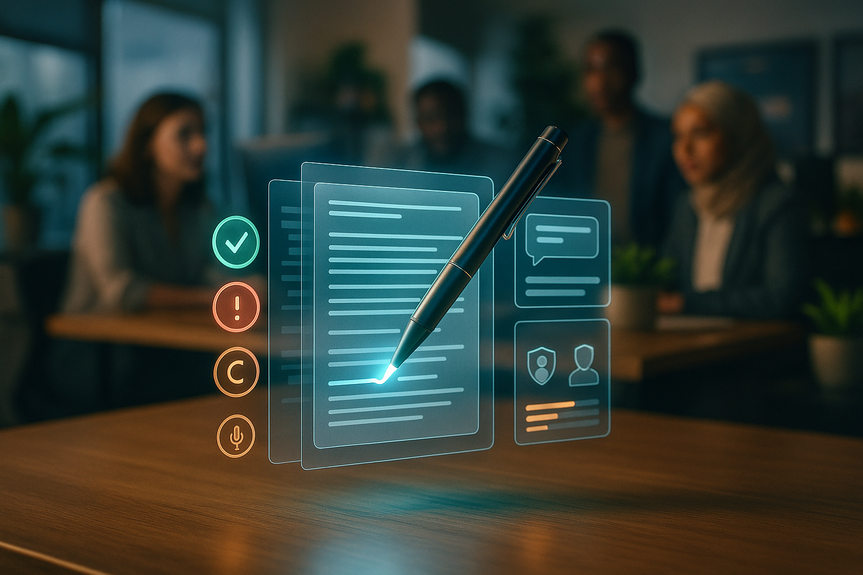
Splice released new AI tools that reshape samples and pay the people behind them. The update centers AI sample compensation for music producers by keeping every sound traceable and triggering payments when it drives new output. Producers get fast workflows and commercial-safe results. Creators get more ways to earn without losing credit.
Splice is tying generative AI to a real payment system for original sound creators. The company’s Variations, Craft, and the coming Magic Fit feature use its licensed catalog and keep a link back to who made each sound. This makes AI faster for beatmakers, while it also protects creator rights and revenue.
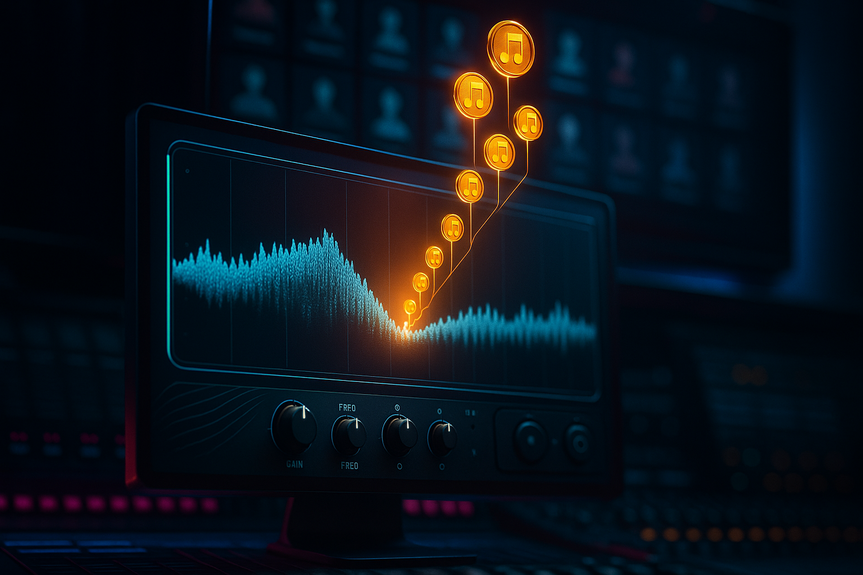
Payment starts when a sample becomes the source for a new variation
Payment also triggers each time that variation is downloaded
All outputs stay tied to the original creator for credit and reporting
Commercial-use licensing reduces legal risk for releases
This setup supports AI sample compensation for music producers who contribute to the catalog and for sound designers who rely on steady royalties.
Start with strong source material. Pick samples that match your genre and mood before using Variations.
Lock in your session’s key and tempo. Magic Fit and Variations work best when your project data is clean.
Use Craft to write new melodies. Playing parts helps your track stand out from loops alone.
Keep stems organized. Traceability is built in, but tidy projects help handoffs to labels and collaborators.
Upload high-quality, distinctive sounds. Unique tone earns more downloads and variations.
Tag well. Accurate metadata improves discovery and drives usage.
Think in families. Provide related one-shots and loops that inspire multiple variations.
Monitor performance. Learn which sounds convert into paid variations and make more like them.
AI sample compensation for music producers: what Splice changed
Variations: New versions, same DNA, clear credit
Variations sits inside the Splice Sounds plugin. You can change a sample’s structure, key, and BPM. The sound keeps its core tone and feel. Each time you use a sample as a source, the original creator gets paid. Each time a variation is downloaded, they get paid again. This builds AI sample compensation for music producers who also create and sell sample packs.Craft: Turn samples into playable instruments
Craft lives in the Splice INSTRUMENT plugin. It converts a sample into a full instrument you can play across the keyboard. You get the color of the sample, but you can play chords, leads, and riffs. This lets you write fresh melodies that are still tied to a licensed source.Magic Fit: Context-aware sound matching (coming summer 2026)
Magic Fit will adapt a sound to the key, chords, and groove in your session. It helps parts lock in fast without heavy editing. It also keeps the sample traceable to the original creator, so credit and payment flow remain intact.How the compensation works
Traceable inputs, licensed outputs
Splice says every output from these tools is licensed for commercial use. That matters for release plans. You can publish songs made with these features without clearing extra rights. The system tracks the source sound, so creators get paid fairly when their audio seeds new work.Why this is a big deal for your workflow
Speed without legal stress
You can move from idea to arrangement faster. Variations and Magic Fit cut manual edits. Craft lets you play harmonic ideas right away. Because the output is licensed and traceable, you avoid many clearance headaches and cut back-and-forth with labels or distributors.More creative control, less sameness
These tools change key, tempo, and structure while preserving a sample’s vibe. You get fresh takes that still feel musical. That balance helps you avoid generic AI output and keeps your sound unique.New earning paths for creators
If you make samples, this could grow your income. Your sounds power more projects, and each use can pay you. As AI scales, the pay-on-use model helps creators keep a seat at the table.Splice’s bigger AI push
Splice has invested heavily to make this work at scale. It bought Spitfire Audio in 2025 to boost instruments and sample depth. It added Kits AI in 2026 to strengthen voice and AI tech. It also partnered with Universal Music Group to build “next generation” tools with industry backing. Together, these moves point to safer, faster production flows that still value original creators.Practical tips to get the most from Variations, Craft, and Magic Fit
For producers
For sample creators
What it means for the industry
This approach aligns AI with rights and revenue. It rewards the people who make source audio while giving producers safe, flexible tools. Labels get cleaner rights chains. Artists get speed and originality. And the catalog grows because creators see real value in contributing. As more AI tools appear, systems that track inputs and pay fairly will matter most. Splice’s model shows one way to keep music human-led while using machine help. It builds trust between producers who use sounds and the creators who make them.Bottom line on AI sample compensation for music producers
AI is now part of everyday production. Splice’s Variations, Craft, and Magic Fit tie that power to clear rights, licensed outputs, and real payouts. If you make beats, you move faster with less risk. If you make samples, you earn when others build on your work. That is AI sample compensation for music producers done right. (Source: https://www.musicbusinessworldwide.com/splice-launches-ai-tools-that-compensate-sample-creators-when-their-sounds-are-used/) For more news: Click HereFAQ
Q: What is AI sample compensation for music producers?
A: AI sample compensation for music producers refers to Splice’s system that keeps every sample traceable to its original creator and triggers payments when a sample is used as a source or when a generated variation is downloaded. It is designed to let producers use generative AI while ensuring creators earn and retain credit.
Q: How do Splice’s Variations, Craft and Magic Fit ensure creators get paid?
A: Splice keeps source sounds traceable and says the original creator is compensated each time their sound is used as a source and each time a variation is downloaded. All outputs from the tools are licensed for commercial use, and traceability supports crediting and reporting.
Q: What does Variations do and where is it available?
A: Variations is available inside the Splice Sounds plugin and lets producers create new versions of any sample by adjusting structure, key and BPM while preserving the sample’s core tone. Splice states creators are paid when their sound is used as a source and again when a variation is downloaded.
Q: What is Craft and how does it change sample use?
A: Craft is a feature in Splice’s INSTRUMENT plugin that converts a sample into a fully playable instrument you can play across the keyboard, enabling chords, leads and riffs while retaining the sample’s colour. Because Splice ties outputs to licensed sources and traceable inputs, creators remain credited and can be compensated when their sounds seed new output.
Q: Is music made with Splice’s AI tools safe to release commercially?
A: Yes; Splice confirmed that all output from Variations, Craft and Magic Fit is licensed for commercial use, so producers can publish songs without clearing extra rights. That licensing, combined with traceability, reduces many clearance headaches and legal risk.
Q: When will Magic Fit be released and what will it do in sessions?
A: Splice says Magic Fit is slated for release in summer 2026 and will adapt a sound to match the key, chords and groove of a producer’s session. It will also keep the sample traceable to the original creator so credit and payment flows remain intact.
Q: How does the payment trigger work for sample creators?
A: Splice’s stated system triggers payment when a sample becomes the source for a new variation and triggers payment again each time that variation is downloaded, with outputs tied back to the original creator for reporting and credit. This pay-on-use approach is intended to create more ways for creators to earn as AI tools scale.
Q: How will Splice’s approach affect producers and sample creators?
A: Producers gain faster workflows, more creative control and fewer clearance headaches because tools can change key, tempo and structure while preserving a sample’s vibe. Sample creators gain more earning paths since sounds remain traceable and can generate payments whenever they seed new work.
Contents