Crypto
04 Mar 2026
Read 13 min
bitcoin vs silver long-term 2026 How to pick the better buy *
bitcoin vs silver long-term 2026: Use scarcity and demand analysis to pick the better long-term buy
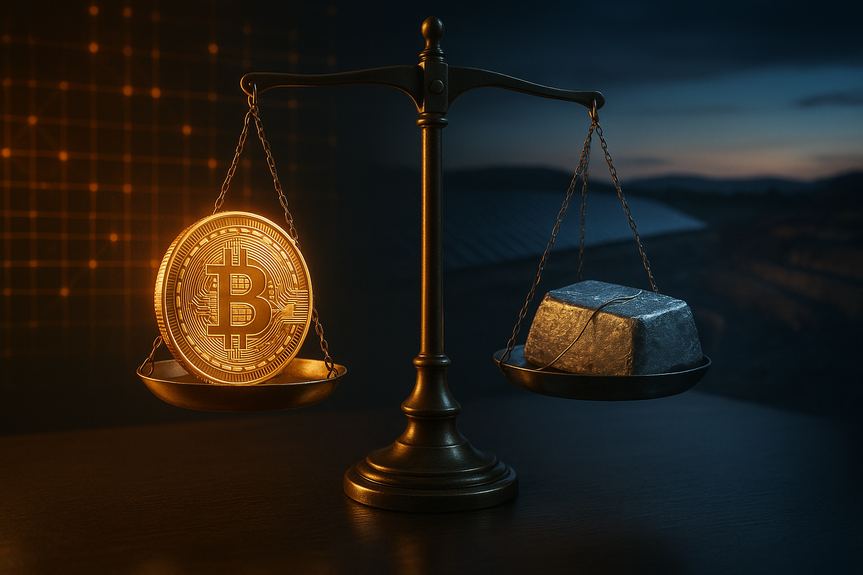
Bitcoin vs silver long-term 2026 comes down to one key split: fixed digital scarcity versus flexible industrial demand. Silver rides manufacturing cycles and solar growth, but faces substitution and new supply. Bitcoin’s supply is capped and halves on schedule, but price swings are sharp. For patient investors, rules and time horizon decide the winner.
Markets swing. Narratives flip. That is normal. Right now, silver’s story leans on strong industrial use, especially in solar panels. Bitcoin’s story is about strict math and a limited supply that never loosens. If you feel pulled by recent price moves, pause. Long-term results rarely follow last quarter’s trend. Use a simple lens: what drives demand, what governs supply, and how each fits your goals.
If you want a long runway bet driven by programmed scarcity, Bitcoin fits.
If you want exposure to global manufacturing and clean energy build-outs, silver fits.
If you want stability, neither is a perfect anchor. Both can drop fast.
Bitcoin has a hard cap of 21 million coins. The network lowers new issuance about every four years in a “halving.” That makes fresh supply smaller over time.
Silver supply responds to price. As prices rise, more mines open and marginal deposits become profitable. Recycling can also add supply. That puts a soft lid on long-term price gains.
Bitcoin demand depends on adoption as a store of value, payment rail, and institutional portfolio piece. Network effects can compound, but sentiment can also reverse quickly.
Silver demand comes from electronics, auto, and solar. If factory activity and energy projects rise, demand rises. If engineers cut silver loadings or switch to cheaper metals, demand cools.
ETFs like iShares Silver Trust can track spot prices and are simple to buy and sell. But they charge a fee that slowly reduces value.
Physical bars and coins avoid fund fees but add storage, security, and liquidity issues. Premiums over spot can be high.
Mining stocks can magnify silver moves. They also add company risks: costs, debt, geopolitics, and management decisions.
More people view it as “digital value” and hold it for the long run.
Financial firms add it to products and portfolios, improving access.
Developers and businesses build tools that make using or holding it easier.
Network effects matter: as more holders join, liquidity improves, and the case for inclusion in diversified portfolios can widen.
Volatility: Drawdowns of 50% or more have happened. You must size positions you can hold through storms.
Security and custody: Self-custody has a learning curve. Using custodians adds counterparty risk. Mistakes can be costly.
Technology and regulation: While core cryptography is strong, the ecosystem can face bugs, exchange failures, and changing rules by country.
Silver ETFs and major crypto exchanges offer deep markets. Spreads are tight for both.
Silver has storage or fund fees. Bitcoin has trading fees and, if you self-custody, hardware wallet costs.
Taxes differ by region. Check rules for collectibles (often applied to metals) versus digital assets.
Growth engine with coded scarcity? Consider a small Bitcoin allocation.
Cyclical exposure to energy and manufacturing? Consider a small silver allocation.
Start small. Many long-term investors keep Bitcoin at 1% to 5% of a portfolio and silver in a similar or smaller range. The right number is the one you can hold during a 50% drop.
Spread buys over time. DCA helps you avoid chasing spikes or freezing during dips.
Bitcoin: decide between self-custody and a trusted custodian. Back up seed phrases if you self-custody.
Silver: choose between an ETF for ease, physical for direct ownership, or miners for leverage and added risk.
Set guardrails. For example, if Bitcoin or silver rises above your target by 1% to 2%, trim back. If it falls below, top up. Let the plan, not emotions, steer you.
bitcoin vs silver long-term 2026: the key decision drivers
Time horizon and role in your portfolio
Ask what job each asset must do for you.Supply mechanics shape future returns
Demand drivers differ
How silver creates value — and where it can stumble
Industrial pull, led by solar
Silver is a workhorse metal. It conducts electricity very well, so it is used in solar photovoltaic (PV) cells. Industry forecasts suggest solar could take more than 30% of annual silver use by 2030, up from roughly 12% today. If solar installations keep scaling, that is a real tailwind.But substitution risk is real
When inputs get pricey, engineers hunt for cheaper options. PV makers test ways to cut silver loadings or swap in copper-based pastes. Even small changes across millions of panels push demand down. Over years, that pressure can cap rallies.Supply is elastic
Miners respond to price signals. When silver prices jump, previously marginal ore becomes worth digging. New projects and byproduct silver from lead, zinc, and gold mines can lift output. Recycling also adds metal back to market. This flexibility often slows long, steady price climbs.Ways to own silver and their trade-offs
Bottom line for silver
Silver can run when the economy builds and the energy transition accelerates. It can also lag if substitutions grow, new supply comes online, or growth cools. Treat it as a cyclical, industrial-linked asset, not a guaranteed inflation hedge.Why Bitcoin’s rules can be an edge
Fixed supply and predictable issuance
Bitcoin’s code caps supply at 21 million. Every four years or so, the reward for adding a new block to the chain gets cut in half. Over time, fewer new coins hit the market. Unlike commodities pulled from the ground, no new “rich vein” can be found, and no big discovery can flood supply.Potential demand flywheels
Bitcoin can gain when:Risks you should respect
Bottom line for Bitcoin
Bitcoin’s strength is scarcity you can model and supply you can trust to tighten. Its weakness is price swings and operational risk. A long horizon helps the most, paired with disciplined sizing and clear rules for buying and holding.How to compare them in practice
Inflation narratives
Both assets get called “inflation hedges.” In practice, their short-term links to inflation are mixed. Silver often tracks growth-sensitive commodities and manufacturing cycles. Bitcoin often tracks risk appetite and liquidity conditions. Over long spans, Bitcoin’s fixed supply may offer a stronger anti-dilution story, but the path can be jagged.Correlation and diversification
Silver tends to move with industrial metals in hot economies. Bitcoin often moves with risk assets during easy money waves and can decouple during stress. Holding a bit of both can diversify, but do not expect either to act like cash or bonds when markets break.Liquidity and costs
A simple plan to make a smart choice
Define your job for the asset
Size for sleep
Use dollar-cost averaging
Pick the right wrapper
Rebalance with rules
What the recent split is really telling you
This year’s sharp swings show a classic pattern. Silver can shine when factories hum and solar builds surge, then cool as engineers reduce silver use or new supply arrives. Bitcoin can soar on adoption hopes, then sink when liquidity tightens or risk appetite fades. The lesson is not to predict every twist. The lesson is to own what you understand, at a size you can stick with, for long enough to let the core thesis work. When you stack bitcoin vs silver long-term 2026 side by side, one difference stands out. Silver’s supply is flexible and reacts to economics. Bitcoin’s supply is fixed and gets tighter with time. If your horizon is many years and you value programmed scarcity, Bitcoin has the clearer edge. If you want a bet on manufacturing and energy transitions, silver still has a role. Many investors will choose a small slice of each, bought slowly and rebalanced by rule. In the end, the smarter choice for bitcoin vs silver long-term 2026 is the one aligned with your goals, your risk tolerance, and a plan you will actually follow when markets shake.(Source: https://www.fool.com/investing/2026/03/02/better-buy-in-2026-bitcoin-or-silver-the-answer-co/)
For more news: Click Here
FAQ
Q: In the bitcoin vs silver long-term 2026 debate, what is the key difference investors should consider?
A: The core split is fixed digital scarcity versus flexible industrial demand. Bitcoin’s supply is capped at 21 million and issuance tightens roughly every four years via halvings, while silver’s supply and demand respond to manufacturing cycles, substitution risk, and mining economics.
Q: According to the article, which is the better buy for very long-term investors?
A: The article argues Bitcoin has the clearer edge for very long-term investors because its supply is fixed and issuance tightens over time. However, it also cautions that Bitcoin is volatile, subject to operational and security risks, and not a guaranteed safe investment.
Q: How does silver’s industrial role affect its upside and downside potential?
A: Silver’s price is driven by industrial demand, notably in solar PV where use could rise to over 30% of annual silver use by 2030 from about 12% today. That same linkage creates downside when manufacturers substitute cheaper materials and when higher prices spur more mining and recycling, which can cap long-term gains.
Q: What are the main long-term risks of holding Bitcoin?
A: Major risks include high volatility with frequent large drawdowns and operational/security issues such as self-custody mistakes, encryption compromise, exchange failures, and changing regulation. Investors are advised to size positions they can hold through severe drops and to consider custody and regulatory exposure when allocating.
Q: How should I size and buy Bitcoin or silver within a long-term portfolio?
A: Start small and size for “sleep”—the article notes many long-term investors keep Bitcoin at about 1% to 5% of a portfolio and silver in a similar or smaller range. Use dollar-cost averaging to spread buys over time and rebalance with rules to trim or top up as allocations drift.
Q: What are the practical ways to own silver and what trade-offs do they bring?
A: You can own silver via ETFs like iShares Silver Trust for ease but with fund fees, physical bars or coins which avoid fund fees but add storage, security, liquidity issues and premiums, or mining stocks that magnify moves but add company-specific risks. Each wrapper has different costs, liquidity and operational burdens, so choose the one that fits your goals and tolerance.
Q: How do inflation narratives and correlations differ for Bitcoin and silver?
A: Both are sometimes called inflation hedges, but their short-term ties to inflation are mixed: silver often moves with growth-sensitive commodities while Bitcoin tends to follow risk appetite and liquidity conditions. Over long spans the article suggests Bitcoin’s fixed supply may offer a stronger anti-dilution story, though its price path can be much more jagged.
Q: If I’m still undecided, what simple plan does the article recommend for bitcoin vs silver long-term 2026?
A: Define the job you want the asset to do—if you want a coded-scarcity growth engine favor Bitcoin; if you want cyclical exposure to manufacturing and energy transitions favor silver. Then size for sleep, use dollar-cost averaging, pick an appropriate wrapper (self-custody vs custodian for Bitcoin, ETF/physical/miners for silver), and rebalance by rules so emotions don’t drive decisions.
* The information provided on this website is based solely on my personal experience, research and technical knowledge. This content should not be construed as investment advice or a recommendation. Any investment decision must be made on the basis of your own independent judgement.
Contents