Crypto
14 Dec 2025
Read 12 min
Do Kwon sentenced to 15 years: What investors must do *
Do Kwon sentenced to 15 years signals tougher crypto oversight, learn how to protect your investments
Do Kwon sentenced to 15 years marks a turning point for crypto risk. The judge called his fraud “epic.” Investors now need clear steps: verify claims, avoid algorithmic stablecoin traps, control position sizes, secure custody, and document losses for potential recovery. Here’s a practical plan you can use today.
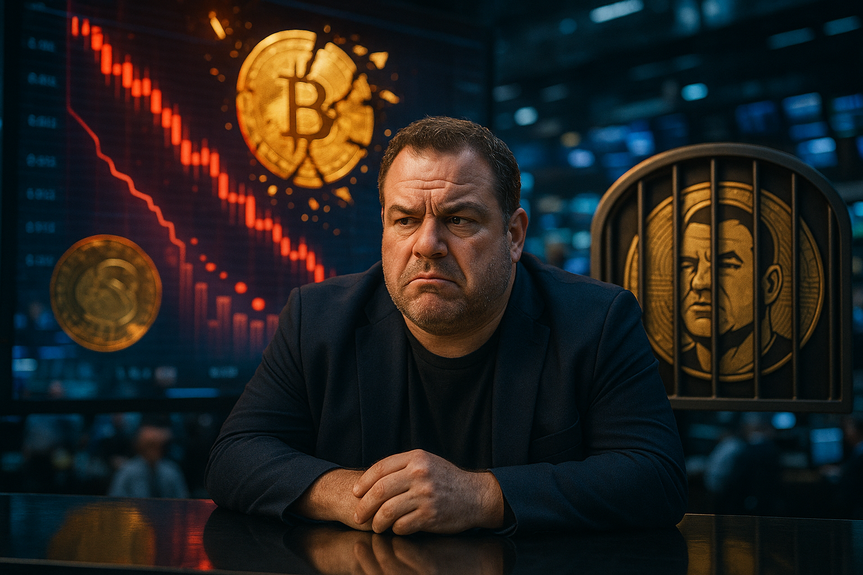
Do Kwon, the creator of TerraUSD and Luna, was found guilty of fraud after his coins crashed in 2022 and wiped out billions. Prosecutors said he misled buyers and ran from the fallout. A federal judge in New York called it “fraud on an epic, generational scale” and issued a strong sentence. This case joins other high-profile crypto rulings and reminds us that hype can hide risk. If you hold crypto, or plan to, you need a clear, simple playbook.
Map the asset: Is it a payment coin, a utility token, a governance token, or a stablecoin?
If it is a stablecoin, check the backing: cash and short-term Treasuries (best), other crypto (riskier), or algorithms (highest risk).
Read the white paper and an independent critique. If you cannot explain the core idea in one paragraph, skip it.
Check the founders’ real names, past jobs, and track records. Look for verified profiles and past projects you can confirm.
Avoid projects that mock critics or use insults to dodge questions. The judge said Kwon had an “almost mystical hold” on people; charisma is not due diligence.
Demand third-party audits for code and reserves. “Audit” means a public report by a known firm, not a tweet.
Be wary of promises of “risk-free” yield. All yield comes from somewhere. If you cannot trace the source, it might be you.
Risk small. A single token should not exceed 1–5% of your liquid net worth. High-risk tokens should be at the low end.
Use stop-loss or mental exit points. Decide before you buy: “I sell if it drops X% or breaks Y rule.”
Separate your conviction from the facts. If the peg breaks, the model fails, or a key claim proves false, exit first and ask questions later.
Use hardware wallets for long-term holds. Keep seed phrases offline, split and stored safely.
If you keep assets on an exchange, spread across more than one, and stick to regulated platforms with strong controls.
Turn on multi-factor authentication (not SMS if you can avoid it). Remove withdrawal shortcuts.
In DeFi, smart contract risk is real. Only use protocols with time-tested code and public audits.
Be careful with “lockups” that pay high rates for illiquid tokens. You may not be able to exit when risk spikes.
Red flags: guaranteed returns, secret strategies, influencer-led launches, opaque treasury movements, and bullying of critics.
Have a written plan for profit-taking: for example, sell 25% after a 2x gain, another 25% after a 3x, and move the rest to a stop.
Use stable assets you trust for parking funds. Prefer fiat-backed stablecoins with frequent, transparent attestations.
Keep a cash reserve for emergencies. If a token fails, you should not be forced to sell good assets at bad prices.
Export full trade history from exchanges and wallets. Save CSV files and screenshots.
Record dates, amounts, wallet addresses, and counterparty names.
Keep copies of project statements, marketing claims, and audit links that influenced your decisions.
Watch official court notices and posts from regulators. Only use verified links, not “refund” DMs.
If class actions or bankruptcy claims open, file before deadlines. Follow instructions exactly.
Consider a consultation with a licensed attorney for large losses. They can explain options in your region.
Track realized losses for tax reporting. In many places, capital losses can offset gains.
If an asset is stolen or becomes worthless, ask a tax professional how to document it correctly in your country.
Use reputable crypto tax software to sync transactions, then review with a pro.
Simple backing: cash and short-term Treasuries held with top-tier custodians.
Frequent attestations from known accounting firms.
Clear redemption process and daily transparency dashboards.
No circular support from other risky tokens.
Inventory your holdings. Flag anything you cannot clearly explain.
Cut oversized bets to a safe position size.
Move long-term assets to secure custody.
Set exit rules for every token you keep.
Verify claims with third-party sources, not only the project’s posts.
Archive your trade and wallet history for tax and claims.
The case is painful, and the stories of loss are real. But you can still build a safer plan. Focus on what you can control: research, position size, custody, and discipline. With clear steps, you do not need to chase hype to find opportunity.
In the end, Do Kwon sentenced to 15 years is a warning and a guidepost. Markets will keep moving. New coins will rise. Some will fail. Use this moment to reset your rules, protect your capital, and choose transparency over charisma. That is how you stay in the game.
Do Kwon sentenced to 15 years: What it means now
The court heard from victims who lost life savings. The judge said Kwon held an “almost mystical hold” over investors as he pushed false claims. He was caught after months on the run, then pleaded guilty. The news—Do Kwon sentenced to 15 years—signals tougher consequences for market lies and marketing that hides risk. This case also sits next to other headlines. Sam Bankman-Fried got 25 years. Changpeng Zhao received a shorter sentence and later a pardon. The message to investors is clear: the law is catching up, but you still must protect yourself first. Courts may punish fraud, but they cannot make you whole.How the TerraUSD and Luna crash unfolded
A fast rise with a fragile core
TerraUSD was an “algorithmic stablecoin.” It was supposed to hold $1 by using code and market incentives, not cash reserves. Luna was the linked token that helped keep that peg. When stress hit, the peg broke. Luna’s price fell to nearly zero. TerraUSD followed. The design could not stop the spiral.What prosecutors said
Prosecutors said Kwon lied about stability and adoption, including claims about large payment volume. They said he pumped confidence while risk grew. When the system failed, he left the scene and used a fake passport before being arrested.The ripple effect
When Terra’s system died, it hit lenders, exchanges, and funds that depended on it. Many companies closed. Investors lost savings. The event showed how one weak design can hurt the wider market.Investor playbook: Protect your money in crypto
You cannot control courts or headlines. You can control your process. Use these steps to lower risk and stay prepared.Know what you own
Vet teams and claims
Manage risk and size positions
Protect your custody and access
Yield, DeFi, and red flags
Plan your exits
Legal, tax, and restitution steps
When things go wrong, quick records help you recover. With Do Kwon sentenced to 15 years, some investors may see claims or restitution processes. There are no guarantees, but clean documentation gives you a chance.Document every loss
Pursue recovery channels
Handle tax issues
Market outlook after high-profile cases
Enforcement first, then rules
Courts move faster than new laws. Punishments grab headlines, but rules arrive step by step. Expect more enforcement against false claims, market manipulation, and weak custody. That can be good for investors who demand clarity and real disclosures.What to look for in stablecoins
Stronger culture beats stronger slogans
The Terra saga showed that jokes, memes, and swagger can hide structural risk. A healthy project welcomes audits, answers hard questions, and adjusts when data changes. Choose teams that act like stewards, not rock stars.A checklist you can use today
(Source: https://www.nytimes.com/2025/12/11/technology/crypto-do-kwon-sentenced-prison.html)
For more news: Click Here
FAQ
Q: What sentence did Do Kwon receive?
A: Do Kwon was sentenced to 15 years in prison by a federal judge in the Southern District of New York after pleading guilty to fraud tied to the collapse of TerraUSD and Luna. The sentence followed prosecutors’ allegations that he misled investors and fled the wreckage when the coins imploded.
Q: Why did the judge call the case “fraud on an epic, generational scale”?
A: Judge Paul Engelmayer said Mr. Kwon misled investors with false claims and had an “almost mystical hold” over them, and prosecutors argued he lied about stability and adoption before leaving the scene. The judge explained he exceeded the prosecutors’ 12-year recommendation because of the widespread harm caused by the fraud.
Q: What does Do Kwon sentenced to 15 years mean for everyday crypto investors?
A: Headlines like “Do Kwon sentenced to 15 years” signal tougher enforcement and underscore that courts will punish deceptive marketing and market manipulation, but they do not restore lost funds to victims. Investors should therefore focus on due diligence, secure custody, conservative position sizing, and clear exit rules to protect themselves going forward.
Q: What immediate steps should investors take to reduce crypto risk?
A: Map each asset’s purpose, check if a stablecoin is backed by cash or Treasuries rather than algorithms, read white papers and independent critiques, and limit any single token to a small percentage of your liquid net worth. Also move long-term holdings to secure custody like hardware wallets, enable multi-factor authentication, and set written exit rules before investing.
Q: How did TerraUSD’s algorithmic design contribute to the 2022 crash?
A: TerraUSD was an algorithmic stablecoin that relied on Luna rather than cash reserves to maintain its peg, so when stress hit the peg broke and Luna’s value collapsed to nearly zero, dragging TerraUSD down as well. That design fragility created a chain reaction that damaged lenders, exchanges, and start-ups tied to the tokens.
Q: What records should investors preserve if they suffered losses from the Terra collapse?
A: Export full trade histories from exchanges and wallets, save CSV files and screenshots, and record dates, amounts, wallet addresses, counterparty names, and any project statements or audit links that influenced your decisions. Those records improve your chances in any court notices, class actions, bankruptcy claims, or consultations with a licensed attorney.
Q: Will criminal sentences like Do Kwon’s produce restitution for victims?
A: With “Do Kwon sentenced to 15 years”, some investors may see claims or restitution processes opened, but there are no guarantees that victims will recover their losses. Watch official court notices, follow verified filing instructions, and consider consulting a licensed attorney if you have large losses.
Q: How should investors evaluate stablecoins after high-profile failures?
A: Favor stablecoins with simple backing in cash and short-term Treasuries held by top-tier custodians, frequent attestations from known accounting firms, clear redemption processes, and transparent daily dashboards rather than algorithmic or circular token support. Also demand third-party audits and be wary of guaranteed returns or opaque treasury movements.
* The information provided on this website is based solely on my personal experience, research and technical knowledge. This content should not be construed as investment advice or a recommendation. Any investment decision must be made on the basis of your own independent judgement.
Contents