Crypto
21 May 2026
Read 12 min
How SEC tokenized stocks innovation exemption aids investors *
SEC tokenized stocks innovation exemption could expand access, and cut trading costs for investors
The SEC tokenized stocks innovation exemption could open regulated trading of digital tokens that mirror public company shares. Reports say the plan may enable faster settlement and broader access while setting guardrails for investors. Here’s what could change, how tokenized shares might work, and the practical risks and benefits to consider.
A new chapter in U.S. markets may be close. According to recent reporting, the Securities and Exchange Commission is preparing a plan that would let investors trade digital versions of stocks under an “innovation exemption.” The move would create a formal path for tokenized shares to trade on regulated platforms, rather than in gray or offshore markets.
If adopted, the framework could reshape how people buy and sell exposure to public companies. It would likely focus on investor protections while lowering friction that has kept many token projects outside mainstream finance. The result could be more choices, new trading hours, and faster settlement for everyday investors, not only crypto natives.
Buy a fraction of a high-priced stock as a token
Trade after hours or even around the clock if the market allows it
Settle near-instantly on-chain, with finality measured in minutes
Move tokens between approved wallets on the venue’s network
Some models could allow quick conversion back to the underlying share, subject to cutoffs and fees. Other models might permit only cash redemption. Each model has trade-offs in speed, cost, and legal certainty.
Fractional ownership could make high-priced stocks easier to buy
Extended or 24/7 trading could reduce gaps around market close
On-chain settlement could cut delays and reduce settlement risk
Programmable compliance could let more venues compete safely
Is the token fully backed 1:1 by shares held at a regulated custodian?
Are independent audits and on-chain proofs published on a schedule?
Can you redeem tokens for shares or only for cash? On what timeline?
Do tokens convey dividends and voting, or only price exposure?
How are stock splits, mergers, and spin-offs handled on-chain?
What happens if trading halts on the underlying stock?
Smart contract bugs can freeze or misdirect assets
Liquidity can fragment across venues, raising slippage
Custodian or venue failure can disrupt redemptions
Price can decouple if redemption is slow or limited
Is the venue a registered broker-dealer or ATS?
Are customer assets segregated with clear legal claims?
Is there insurance, and what does it actually cover?
Read the venue’s disclosures on backing, redemption, and rights
Confirm regulatory status and customer asset protections
Check whether tokens are transferable, and to which wallets
Review fee schedules, including network fees and spreads
Try a small trade to see settlement speed and statements
Test deposits and withdrawals if the venue allows them
Track how prices follow the underlying stock during volatile hours
Set clear position limits for after-hours or 24/7 trading
Use limit orders in thin markets to avoid slippage
Diversify across venues and assets where appropriate
What the SEC tokenized stocks innovation exemption could cover
The building blocks: What are tokenized stocks?
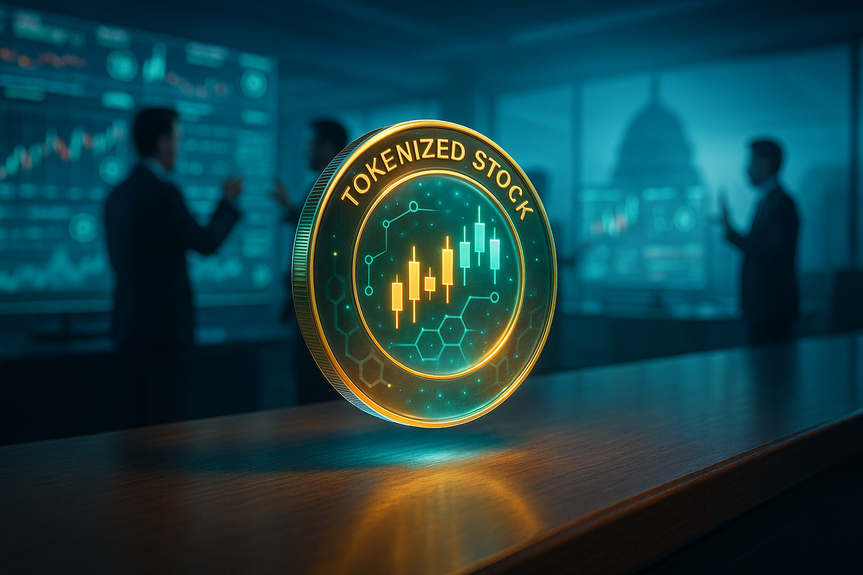
Tokenized stocks are digital tokens on a blockchain that track the price or rights of a real-world stock. In the strongest designs, each token is fully backed by a share held with a regulated custodian. In other designs, tokens track prices synthetically through swaps. The details matter because they define your rights.How trading might work in practice
Under an exemption, trading could occur on SEC-registered venues or alternative trading systems that support blockchain settlement. You might be able to:Corporate actions, dividends, and voting
For tokens fully backed by shares, brokers or custodians could pass through dividends, splits, and rights issues. Voting might be available through a digital proxy process tied to the custodian’s registered shares. If the token is synthetic, you may only receive a cash adjustment, not formal shareholder rights. The exemption’s fine print will signal what investor protections are required.Settlement, custody, and identity checks
Expect “same player, new rails.” Broker-dealers, qualified custodians, and transfer agents may still sit in the middle, but they could use blockchains to settle faster and track ownership. KYC/AML would remain. Wallets might be “hosted” by the platform, at least at the start, with the option to withdraw to permitted self-custody if rules allow.Why investors may benefit
Tokenization is not magic. But it can make market plumbing work better. If the SEC tokenized stocks innovation exemption lands close to reported plans, investors could see gains in cost, speed, and access.Lower barriers and better access
Transparency and auditability
A blockchain ledger can show timestamped movements of tokenized shares between authorized accounts. That visibility could help reconcile trades faster, reduce errors, and support real-time proof of reserves when tokens are fully backed.Potential cost savings
Faster settlement reduces the time capital is tied up. In theory, that can lower margin needs and some back-office costs. If more market makers can compete on the same rails, spreads for liquid names could tighten.Key risks and the safeguards to look for
Tokenized stocks carry both market risk and structure risk. The innovation exemption would aim to curb the structure risk, but investors should still check the basics before they buy.Watch the linkage to the real share
Understand your rights
Mind the tech and market risks
Check the regulatory perimeter
How this could change brokers, exchanges, and issuers
For brokers and trading venues
Brokers may offer tokenized shares alongside traditional equities. Some will build or connect to blockchains that support instant or near-instant settlement. Competition may shift from payment for order flow toward on-chain price improvement and lower clearing costs. Best execution rules will still apply.For market makers
Faster settlement and longer hours could attract new liquidity providers. Arbitrage between tokenized shares and the underlying stock will be key to keeping prices aligned. Reliable, low-friction redemption helps keep that peg tight.For issuers and transfer agents
Corporate actions could sync to tokens through automated messages from transfer agents. Over time, issuers may see cleaner cap table data and faster shareholder outreach. That said, early systems will likely run in parallel with today’s rails until confidence builds.Tax, reporting, and accounting notes
Tokenized shares are still securities. In most cases, selling them for a gain or loss is a taxable event, just like selling regular shares. If dividends flow through as cash or as a tokenized cash equivalent, they should remain taxable income. Forms such as 1099-B would likely still apply if you trade through a U.S. broker. Cross-border investors should expect normal withholding rules. Keep records of trade dates, prices, and any on-chain fees included in your cost basis.Practical steps to get ready
Do your homework before you trade
Start small and test the plumbing
Use risk controls
A measured step forward for U.S. markets
Early reports suggest the SEC wants to open the door to tokenized shares without opening the floodgates to unsafe products. If the SEC tokenized stocks innovation exemption delivers strong custody rules, clear investor rights, and fast, auditable settlement, investors could gain speed and access with less risk. The biggest wins will come from solid rails, not buzzwords: tokens that map to real shares, held at real custodians, on venues that follow real rules. That is how new technology can help more people own pieces of the companies they believe in. In short, the SEC tokenized stocks innovation exemption could make stock ownership easier, faster, and more open, while keeping core protections in place. Stay patient, read the fine print, and let the safeguards—not the hype—guide your first steps. (p(Source: https://news.bloomberglaw.com/crypto/sec-is-said-to-ready-plan-for-trading-crypto-versions-of-stocks)For more news: Click Here
FAQ
Q: What is the SEC tokenized stocks innovation exemption?
A: The SEC tokenized stocks innovation exemption is a proposed framework that would create a formal path for digital tokens that mirror public company shares to trade on regulated platforms. It aims to set investor protections while reducing friction to enable faster settlement and broader access for investors.
Q: How would tokenized stocks function under this framework?
A: Tokenized stocks are digital tokens on a blockchain that track the price or rights of a real-world stock, and trading could occur on SEC-registered venues or alternative trading systems that support blockchain settlement. Designs vary: some tokens are fully backed 1:1 by shares held with a regulated custodian while others are synthetic and track prices through swaps, and those details determine legal rights.
Q: What investor benefits could the exemption deliver?
A: Investors could gain fractional ownership of high-priced stocks, extended or 24/7 trading hours, and near-instant on-chain settlement that reduces delays and settlement risk. Tokenization could also improve transparency through timestamped blockchain records and potentially lower some back-office costs and trading spreads as competition increases.
Q: What are the main risks to be aware of with tokenized shares?
A: Tokenized shares carry both market risk and structure risk, so investors should check whether tokens are fully backed 1:1, whether independent audits and on-chain proofs are published, and whether tokens can be redeemed for shares or only for cash. Technology and market risks include smart contract bugs, fragmented liquidity that raises slippage, custodian or venue failure disrupting redemptions, and price decoupling when redemption is slow or limited.
Q: Will tokenized stocks convey dividends and voting rights?
A: For tokens fully backed by shares, brokers or custodians could pass through dividends and voting might be available via a digital proxy tied to the custodian’s registered shares, while synthetic tokens may only provide cash adjustments and not formal shareholder rights. The SEC tokenized stocks innovation exemption’s fine print will indicate what protections and pass-through rights are required for different token models.
Q: How would settlement, custody, and identity checks change under the exemption?
A: Under the SEC tokenized stocks innovation exemption, broker-dealers, qualified custodians, and transfer agents may remain intermediaries but could use blockchains to settle faster and track ownership, with KYC/AML requirements persisting. Platforms may host wallets initially with the potential for permitted self-custody withdrawals if rules allow.
Q: How should investors prepare before trading tokenized shares?
A: Investors should read venue disclosures on backing, redemption, and rights, confirm regulatory status and customer asset protections, check transferability rules, and review fee schedules including network fees and spreads. They should start with small trades to test settlement and statements, test deposits and withdrawals if allowed, and use risk controls like position limits and limit orders in thin markets.
Q: How will tax reporting and accounting apply to tokenized shares?
A: Tokenized shares are still securities, so selling them for a gain or loss is a taxable event similar to regular shares, and dividends that flow through are taxable income with forms such as 1099-B likely still applying if you trade through a U.S. broker. Cross-border investors should expect normal withholding rules and should keep records of trade dates, prices, and any on-chain fees included in their cost basis.
* The information provided on this website is based solely on my personal experience, research and technical knowledge. This content should not be construed as investment advice or a recommendation. Any investment decision must be made on the basis of your own independent judgement.
Contents