AI News
30 Dec 2025
Read 10 min
Instacart AI price tests explained: How to avoid overcharges
Instacart AI price tests explained, we show how to spot and avoid surprise charges on grocery orders.
Instacart has ended its AI-driven item price tests after public backlash and interest from the FTC. Instacart AI price tests explained: what they were, why they mattered, and what it means for your grocery bill now. Learn simple steps to compare prices, spot fees, and avoid paying more.
Instacart said it will stop letting retailers use its Eversight AI tool to run price tests on items. This move follows reports that some shoppers saw different prices for the same product at the same store at the same time. Consumer groups said some carts cost up to 23% more, with an average difference of 7% across 437 shoppers in four cities. Regulators reportedly asked Instacart for more information, and the company said it heard customers’ concerns. Retailers still set their own prices on Instacart, so prices can still vary.
Instacart AI price tests explained: what happened and why it matters
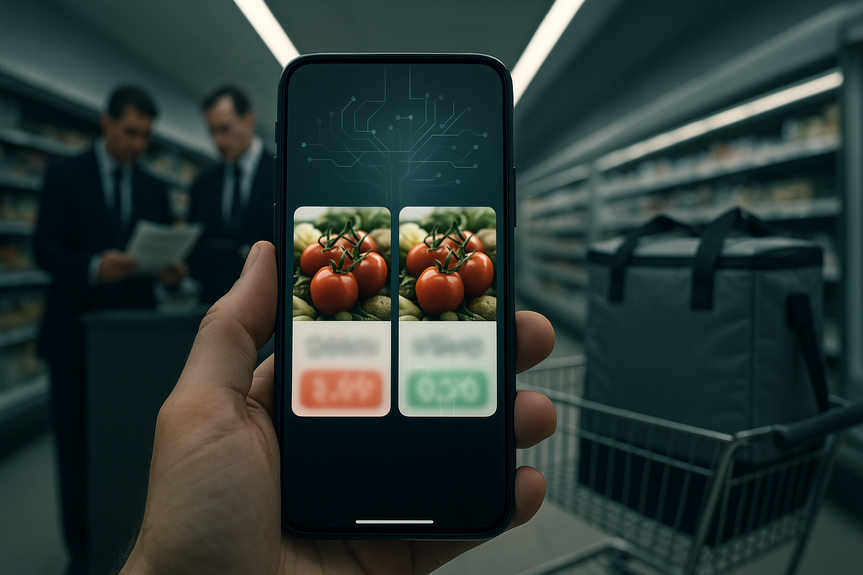
Price tests used AI to experiment with different item prices to see how shoppers would respond. Think of it like A/B testing for groceries: two people could see two different prices for the same item, and the software would learn which price drove more orders or profit. Consumer groups published examples of these differences on Dec. 9. Soon after, the Federal Trade Commission reportedly sent Instacart a civil investigative demand seeking details on the Eversight tool. Days later, in a separate case, Instacart agreed to pay $60 million to settle an FTC lawsuit over other alleged deceptive practices. Instacart did not admit or deny those allegations and said the agency’s inquiry was flawed. If you want Instacart AI price tests explained in plain English, it means pricing could change based on tests and data. Instacart has now ended these tests on its platform. But retailers still control their own pricing, and online prices may still be different from in-store prices or from one customer to another over time.What changes for shoppers now
Ending the tests
Instacart will no longer allow retailers to run item-level price experiments via Eversight on its marketplace. The company says it wants customers to trust the prices they see.What stays the same
Retailers still set prices in the Instacart app. Online and in-store prices may not always match. Sales, stock levels, or store strategies can still lead to price differences. Service and delivery fees also affect your total.How to avoid paying more than you should
Compare before you buy
- Check the store’s own app or website for in-store prices and weekly ads. Compare the same item, size, and brand to what you see in Instacart.
- Price-check at different times of day if your schedule allows. If the total swings a lot without a clear reason, take screenshots and ask support to review.
Use loyalty and coupons
- Link your store loyalty account in Instacart if supported. You may unlock member pricing or digital coupons.
- Stack digital coupons with weekly sales when allowed. Avoid items that exclude coupons online.
Watch the fees
- Review the service fee, delivery fee, heavy-item fee, and small-order fee before checkout.
- Consider pickup to skip delivery fees if convenient.
- Do the math on membership. If you order often, it can lower per-order costs; if you order rarely, paying per delivery may be cheaper.
Control substitutions and extras
- Set “no substitutions” on high-cost items, or choose exact substitutes. Prices can rise if a more expensive substitute is used.
- Approve substitutions in real time during the shop to avoid surprises.
Check your receipt and speak up
- Compare the order estimate to the final receipt. Note any price changes, replacements, or weight-based items.
- Contact Instacart support or the retailer if you see large, unexplained price differences. Keep screenshots and order numbers handy.
How AI pricing may evolve
Retailers use data to set prices and run promotions. Instacart has paused item-level price tests run through its platform, but stores may still use data and AI in other ways on their own sites or in-store. The big theme now is trust and clarity. Clear price labels, consistent fees, and fast support will decide whether shoppers feel confident buying groceries online. If you want Instacart AI price tests explained for the future, watch for more transparency: clearer tags when online prices differ, better fee breakdowns before checkout, and simpler refund paths if things go wrong.Quick checklist before you place an order
- Compare a few core items (milk, eggs, bread, produce) between Instacart and in-store ads.
- Link loyalty, apply coupons, and review the fee line-up.
- Lock in substitution rules for pricey items.
- Screenshot the cart total and any promo details.
- Check the final receipt and request fixes fast if needed.
(Source: https://www.nbcnews.com/business/consumer/instacart-ai-price-tests-scrutiny-rcna250454)
For more news: Click Here
FAQ
Q: What were the Instacart AI price tests and why did Instacart stop them?
A: The tests used Instacart’s Eversight AI to run item-level price experiments that could show different prices for the same product to different shoppers, and Instacart said it has ended those tests effective immediately. Instacart AI price tests explained: the decision followed public criticism and reported regulatory inquiries after consumer groups found some shoppers paid as much as 23% more and an average 7% variance across 437 shoppers.
Q: Who controlled prices on Instacart during these tests?
A: Retailers who sell products on the platform control their own pricing, not Instacart, and the company said it worked with retailers to align online and in-store pricing “wherever possible.” Ending the Eversight tests means retailers can no longer run those item-level experiments on Instacart, but they will still set the prices customers see.
Q: How large were the price differences found by consumer groups?
A: Consumer groups reported examples where some customers were charged as much as 23% more than others for the same item at the same store, and they found an average price difference of 7% across a sample of 437 shoppers in four cities. Those findings were published in a report released on Dec. 9 that prompted scrutiny of the tests.
Q: Did federal regulators respond to the report on the price tests?
A: Shortly after the report was released, the Federal Trade Commission reportedly sent Instacart a civil investigative demand seeking more information about the Eversight tool, and the agency said it was disturbed by press reports while declining to comment on ongoing inquiries. The FTC had also announced that Instacart would pay $60 million to settle a separate lawsuit alleging deceptive tactics, a settlement in which Instacart did not admit or deny the allegations.
Q: Does ending Eversight price tests mean Instacart prices will now match in-store prices?
A: Not necessarily; Instacart said it will no longer allow retailers to use Eversight for item-level price testing, but retailers still set their own prices on the platform, so online and in-store prices may not always match. Sales, stock levels, store strategies and service or delivery fees can still cause price differences.
Q: What practical steps can shoppers take to avoid paying more on Instacart?
A: Compare items and prices with the store’s own app or website, link your loyalty account and apply coupons when possible, and review the service, delivery and other fees before checking out. Instacart AI price tests explained in the article’s checklist also recommends setting “no substitutions” or choosing exact substitutes, screenshotting cart totals and promo details, and checking the final receipt to request fixes if needed.
Q: What should I do if my Instacart receipt shows unexpected price changes?
A: Compare the order estimate to the final receipt and note any price changes, replacements or weight-based differences, keeping screenshots and your order number as evidence. Contact Instacart support or the retailer promptly to request a review or correction, as the article advises saving documentation and reporting large unexplained differences.
Q: Will retailers still use AI or data to set prices elsewhere now that Instacart paused item-level tests?
A: Yes; the article notes Instacart paused item-level tests run through its platform, but retailers may continue to use data and AI on their own websites or in stores. The piece suggests shoppers should watch for greater transparency going forward, such as clearer price labels, better fee breakdowns before checkout and simpler refund paths if things go wrong.
Contents