Crypto
23 Jun 2026
Read 12 min
Minnesota crypto ATM ban 2026 How to protect your money *
Minnesota crypto ATM ban 2026 blocks fast scam cashouts and gives residents time to verify a call.
Minnesota crypto ATM ban 2026 aims to remove public cryptocurrency kiosks after a surge in scams that turn cash into digital coins within minutes. The rule starts Aug. 1, 2026, and operators must pull machines by year’s end. The goal is to slow crooks who pressure victims into fast, irreversible payments.
Minnesota will soon take a strong step against a favorite tool of scammers: the crypto ATM. State leaders say criminals have used these kiosks to turn fear into money, often in a single rushed trip to a store. Victims hear a scary claim, grab cash, scan a code, and the money is gone.
The ban targets publicly accessible crypto kiosks. It follows years of warnings, screen pop-ups, and transaction limits that did not stop the fraud. Lawmakers now want to cut off one of the fastest cash-to-crypto funnels so people have more time to think, verify, and say no.
Police, courts, the IRS, and real banks do not ask for crypto payments. If someone demands crypto, hang up.
Do not trust caller ID. Scammers can spoof numbers to look official or familiar.
Never scan a QR code for payment when you feel rushed or scared.
Call the person or agency using a number you find yourself, not one sent in a text or email.
Create a family code word. If someone claims to be a loved one in trouble, ask for it.
If a “bank agent” calls, hang up and dial the number on your card.
If you invest in crypto, use regulated platforms with identity checks, strong passwords, and two-factor authentication.
Turn on account alerts for logins and withdrawals. Act fast on any alert you do not recognize.
Start small and test a withdrawal before moving larger amounts to new platforms.
Pause before any large cash withdrawal. Speak to a bank teller or manager and explain why you need the cash.
Limit personal data on the web. Remove your info from people-search sites that fuel targeting.
Keep your phone and computer protected. Update software and use security tools that block phishing pages.
Save everything: receipts, QR codes, wallet addresses, texts, and call logs. Take photos of the kiosk screen if possible.
Report the fraud to local police and file a complaint at IC3.gov. The faster you report, the better the chance to flag patterns.
Notify your bank, card issuer, and mobile carrier in case the scammer also tried to take over your accounts.
Place fraud alerts with the credit bureaus if you shared personal details, and consider a credit freeze.
What the Minnesota crypto ATM ban 2026 actually does
Starting Aug. 1, 2026, operators cannot run public crypto kiosks in Minnesota. By the end of the year, they must remove the machines. Residents can still buy and sell digital assets through regulated online platforms. What goes away are in-store kiosks that take cash and send crypto on the spot. The move follows troubling statewide reports. From 2023 to 2025, Minnesota recorded more than a hundred complaints tied to crypto ATMs, with losses near $1 million. In 2025 alone, reported losses topped half a million dollars. Officials believe the true harm is higher because many victims never come forward. Before the ban, the state tried lighter rules. Kiosks posted warnings. Transactions had limits. Operators added checks. But scammers adapted. They stayed on the phone, coached victims through every screen, and fed them cover stories to dodge questions. Removing the machines aims to break that high-speed cycle.Why criminals push crypto kiosks
Crypto ATMs are fast. They accept cash. They send digital coins in minutes. That speed leaves little room to undo a bad decision. With a bank transfer or card purchase, there may be a way to pause, dispute, or trace the payment. Crypto is different. Once the coins leave your wallet, the transfer can jump across borders and through many addresses before you can react.The pressure script
Scams often start with a threat or an emergency. A caller says you missed jury duty and face arrest. A “bank agent” claims your account is under attack and must be “secured.” A voice insists your grandchild needs fast bail money. The details change, but the goal is always the same: make you scared, rushed, and alone.Coaching at the machine
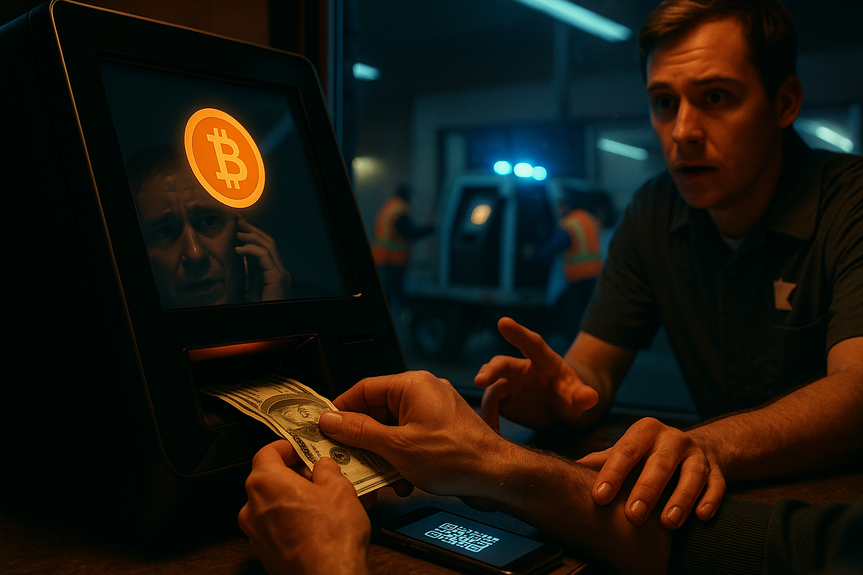
The scammer tells you to pull cash, drive to a kiosk, and scan a QR code or enter a wallet address. They may tell you what to tap and what to ignore. If a clerk asks questions, they give you a script. That live coaching is a huge red flag. It is how fear overrides the warnings on the screen.The numbers behind the decision
Minnesota’s complaint data shows steady harm from crypto ATM fraud in recent years. Nationally, the FBI’s Internet Crime Complaint Center counted more than 13,000 complaints in 2025 involving crypto kiosks, with reported losses near $400 million. Over half of those complaints came from people over 50, and their losses were the largest. Older adults are prime targets because they often have savings and a strong instinct to help family. But anyone can be rushed into a bad choice when panic sets in. The device is only part of the problem. The real attack happens in the mind, where urgency crowds out caution.What this means for residents and businesses
For residents, convenience will change. You will not be able to walk into a gas station, load cash, and send crypto in minutes. If you want to buy digital assets, you will need to use licensed online platforms, complete identity checks, and set up stronger protections like two-factor authentication. That extra friction is by design. For businesses that hosted kiosks, there will be lost foot traffic and rental revenue. Operators will face removal costs and may try to shift to online services or to other states. Border towns may see some “scam tourism,” where criminals attempt to route victims across state lines. Education will remain vital to counter that risk. Backers of the Minnesota crypto ATM ban 2026 argue the change will save families from fast-moving fraud by slowing the payment path. Critics say scammers will simply switch to gift cards, wire transfers, or couriers. Both points can be true, but removing one of the quickest cash-to-crypto routes can still cut losses and buy victims time.How to protect your money without a kiosk
Know the non-negotiable rules
Verify before you pay
Use safer buying methods
Make panic-proof habits
If you already sent money
Could other states copy the move?
Lawmakers across the country will be watching the impact. If reports show fewer losses and fewer rushed cash-to-crypto payments, other states may draft similar rules for kiosks in convenience stores and shopping centers. If crime shifts to other payment types, states may invest more in education and rapid reporting instead. Supporters say the change is like adding a longer yellow light at a busy intersection. It gives people time to slow down and avoid a crash. Critics worry about overreach and reduced access for legitimate users who prefer to pay with cash. Policymakers will need fresh data after rollout to judge success and adjust course.A safer playbook for the road ahead
Scammers will always chase speed and secrecy. When one door closes, they look for another. That is why the best defense is a clear plan: never pay by crypto under pressure, verify the story yourself, talk to your bank before big withdrawals, and report fast if something feels wrong. Calm time is your ally; panic is theirs. In the end, the Minnesota crypto ATM ban 2026 is about buying that calm time. It removes a tool that helped crooks turn fear into money in minutes. With the kiosks gone, keep your guard up, lean on trusted channels, and use every pause to protect what you worked hard to save. (p(Source: https://www.foxnews.com/tech/minnesota-bans-crypto-atms-scam-surge)For more news: Click Here
FAQ
Q: What is the Minnesota crypto ATM ban 2026 and when does it take effect?
A: The Minnesota crypto ATM ban 2026 prohibits publicly accessible cryptocurrency kiosks, takes effect Aug. 1, 2026, and requires operators to remove machines by the end of the year. Residents can still buy and sell digital assets through regulated online platforms.
Q: Why did Minnesota decide to ban crypto ATMs?
A: State officials said scammers used the machines to pressure victims into fast, hard-to-recover payments, and Minnesota recorded more than 100 complaints from 2023–2025 with losses near $1 million. The ban is meant to cut off a rapid cash-to-crypto route so victims have more time to verify stories and say no.
Q: How do crypto ATM scams typically work?
A: Scammers call with an emergency or threat, coach victims to withdraw cash and go to a kiosk, then direct them to scan a QR code or enter a wallet address while staying on the phone. Those transactions move quickly and usually leave little room for recovery once the digital currency leaves the wallet.
Q: Had Minnesota tried other safeguards before the ban?
A: Yes; the state required warnings on machines, transaction limits and other consumer protections, but officials say scammers adapted by coaching victims through the screens over the phone. Because those measures didn’t stop the fraud, lawmakers moved to remove public kiosks to break the high-speed scam cycle.
Q: How will the ban affect residents and legitimate crypto users?
A: People will no longer be able to turn cash into crypto at in-store kiosks and will need to use regulated online platforms that require identity checks and stronger protections like two-factor authentication. That added friction is intended to slow scams and give people time to verify requests before sending money.
Q: Could other states follow Minnesota’s lead on crypto kiosks?
A: Lawmakers elsewhere will be watching the ban’s impact, and if reported losses fall some states may draft similar rules for public kiosks. If crime shifts to other payment methods, states may instead boost education, rapid reporting and other countermeasures.
Q: What immediate steps can I take to avoid a crypto ATM scam?
A: Hang up if someone demands crypto, verify emergencies by calling a trusted number, never scan a QR code when rushed and do not trust caller ID alone. Use regulated platforms with strong passwords and two-factor authentication, and speak with your bank before making any large cash withdrawals.
Q: What should I do if I already sent money through a crypto kiosk?
A: Save receipts, photos of the kiosk screen, QR codes, wallet addresses, texts and call logs, then report the fraud to local police and file a complaint at IC3.gov as soon as possible. Also notify your bank, card issuer and mobile carrier, and consider fraud alerts or a credit freeze if you shared personal information.
* The information provided on this website is based solely on my personal experience, research and technical knowledge. This content should not be construed as investment advice or a recommendation. Any investment decision must be made on the basis of your own independent judgement.
Contents