Crypto
03 Jun 2026
Read 12 min
Steve Jobs U2 deal explained Discover the marketing lesson *
Steve Jobs U2 deal explained shows how Jobs traded equity for a product tie-in that boosted iPod sales.
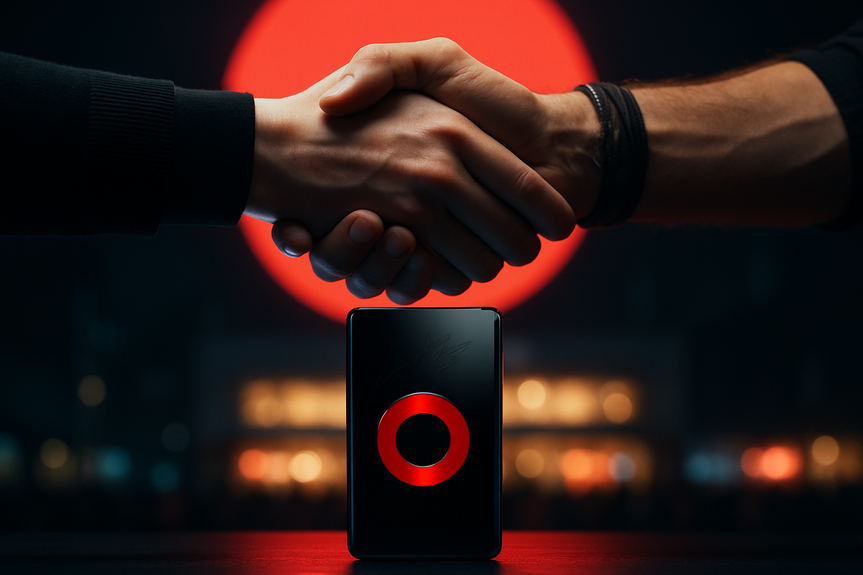
Steve Jobs U2 deal explained in plain terms: U2 asked to be paid in Apple stock for an ad in 2004. Jobs refused. He offered a co-branded iPod and massive exposure instead. The iPod U2 Edition sold fast, the ad hit hard, and both brands won without moving a single share.
In 2004, Apple had the iPod and a cool brand, but it still fought for attention. U2 had global fame and a new song, “Vertigo,” ready to roar. The band wanted Apple shares to star in an ad. Steve Jobs said no. He turned the ask into a product moment. Apple made a special iPod with a black shell, a red click wheel, and the band’s engraved signatures. The ad and the device landed together. Fans noticed. Shoppers bought. Apple kept control of its stock. U2 gained a louder spotlight. This was simple, sharp, and smart.
Protect the cap table by refusing equity payment.
Make the product the centerpiece of the partnership.
Use culture and timing to drive sales and fame for both sides.
It made fans proud to show the device, which drove word of mouth.
It put U2 on millions of players at a time when digital music habits were forming.
It kept Apple’s cool factor high and fresh in stores and billboards.
It turned a one-off ad into a limited product with real scarcity and demand.
Protect control of what matters most to your future.
Design partnerships that create something real, not just noise.
Launch when fans are paying attention to a bigger moment.
Make sure everyone earns upside they can feel and measure.
When you hear the phrase Steve Jobs U2 deal explained, think of a clear swap: no equity, yes to a product that sells itself, and a moment that cements two brands together in the public mind.
In the end, the lesson is simple. Say no to deals that weaken your future. Say yes to ideas that make your product the hero. Use culture to light the fuse. Keep the terms clean. The Steve Jobs U2 deal explained this better than a thousand slides: build the product, own the moment, and let value, not shares, do the talking.
Steve Jobs U2 deal explained: why the stock-for-ads pitch failed
The pitch: U2 wanted equity, not a check
U2 saw Apple rising. The iPod changed how people bought and carried music. If the band took shares, it could ride that growth. So the group asked to be paid in Apple stock to headline a major ad. It was a bold ask. It also came with risk for Apple. Stock is control. Stock is future value. Stock is a signal.Jobs’ counter: swap equity for a product stage
Steve Jobs did not hand over shares. He also did not shut the door. He offered a clean trade. The band would lead a campaign without upfront cash. Apple would turn the campaign into a product fans could hold. The stage would be bigger than a TV ad. It would live in stores and pockets. It would be a co-branded iPod. In short, here is the Steve Jobs U2 deal explained in three moves:The product that powered the partnership
Design that told a story at a glance
The iPod U2 Edition was not a gimmick. It had a crisp look that fans could spot across a room. The black casing stood apart from the classic white iPod. The red click wheel linked to (RED) themes U2 later embraced and, more simply, popped against the black shell. The etched signatures on the back made it feel like band merch you could use every day.The “Vertigo” ad made the timing perfect
Apple and U2 paired the device with a high-energy ad set to “Vertigo.” The spot had stark visuals, tight cuts, and a sound you could not ignore. It sold the feeling of music in motion. It sold the band. It sold the iPod. The message was simple: music lives best on this device.Why it worked for both brands
The strategy behind Jobs’ decision
Guard the balance sheet and the brand
Saying no to shares was more than money. It was about control. Equity payments can set tricky precedents. If Apple paid one partner in stock, others might ask next. Jobs kept the cap table clean. He kept Apple’s long-term story in Apple’s hands.Make marketing pay for itself
A TV ad burns budget. A product SKU makes money. By building a co-branded iPod, Apple shifted costs into a device that could finance the campaign. The margin from each sale helped fuel more buzz. The product was the ad. The ad was the product.Anchor the brand in culture, not just specs
Specs change every year. Culture lasts longer. U2 gave Apple a global stage. Apple gave U2 a design-forward platform in people’s pockets. Together, they built a moment bigger than a commercial. That moment deepened loyalty and invited new buyers.Lessons you can use today
Trade value, not only cash
Not every deal needs a check. Ask what you can offer that partners cannot buy the usual way. Can you give distribution, design credibility, or a hero product slot? If you want the Steve Jobs U2 deal explained as a playbook, start with this: offer value that compounds.Let the product carry the story
If your product is strong, put it at the center of the partnership. Build a limited edition. Create a feature set that reflects the partner’s audience. Give fans a reason to hold and share it.Time the launch with a cultural wave
U2 had “Vertigo.” Apple had a rising iPod. The pairing hit when people craved digital music. Look for moments where your partner’s peak meets your launch window. Ride that wave together.Keep the message simple
The colors were bold. The signatures were clear. The music was loud. There was no confusion. Pick one strong idea and deliver it without clutter.Design scarcity with purpose
A limited run can spark urgency. But it should feel meaningful, not forced. Tie the design to the partner’s identity so the scarcity tells a story.Protect long-term control
Equity can be expensive in ways cash is not. Before you trade stock, ask what future choices you might lose. Jobs chose a path that built hype without cutting shares. That choice preserved options later.Risk, reward, and how both sides won
Apple’s upside
Apple sold a striking device that stood out in every store. It deepened the iPod’s image as the place where modern music lived. It also showed Apple could fuse tech and pop culture better than rivals. The company paid in engineering, supply chain, and ad space, not in stock. That kept long-term costs low.U2’s upside
U2 gained global reach across Apple’s channels. The band sat on shelves and in pockets, not just on screens. Fans of the iPod met or rediscovered U2 with every scroll wheel spin. The campaign fed album and tour interest while linking the band to the best music device of that era.What this says about Jobs-era Apple
Focus, story, and ownership
The move showed Jobs’ bias for focus. He chose one clear path and pushed it hard. He told a clean story through design and sound. He kept ownership of Apple’s future by saying no to stock grants. He turned marketing into a product many people loved to buy and show.Where the model still applies
Brands, creators, and platforms
Today, creators want a stake. Brands want cultural heat. Platforms want usage. The same rules apply:For more news: Click Here
FAQ
Q: What happened when U2 asked Apple to be paid in shares for an ad in 2004?
A: Steve Jobs U2 deal explained: in 2004 U2 asked to be paid in Apple stock for an ad, and Steve Jobs refused and instead proposed a product partnership. Apple produced the iPod U2 Edition — a black iPod with a red click wheel and engraved signatures — and the campaign drove strong sales and exposure without issuing shares.
Q: Why did U2 want Apple shares instead of a cash payment?
A: U2 wanted a stake in Apple’s rising momentum, seeing equity as a way to share in Cupertino’s future growth rather than receive a one-time fee. The band proposed stock payment to headline a major ad instead of taking a traditional check.
Q: Why did Steve Jobs decline U2’s equity request?
A: Jobs declined because giving shares could set a costly precedent and weaken Apple’s long-term control over its cap table. He chose an alternative that preserved ownership while still leveraging U2’s star power through a product-focused campaign.
Q: What features made the iPod U2 Edition distinct?
A: The iPod U2 Edition had a black casing, a red click wheel, and U2’s signatures etched on the back, making it stand out from the standard white iPod. It launched alongside an energetic ad set to “Vertigo” and functioned as both product and marketing piece.
Q: How did the collaboration benefit Apple commercially and strategically?
A: The tie-up sold a striking device that reinforced the iPod’s cultural image and drove retail momentum without issuing equity. Apple paid in engineering, supply-chain effort, and ad support rather than shares, keeping long-term costs and control intact.
Q: What did U2 gain from participating in the no-fee product campaign?
A: U2 gained worldwide visibility through Apple’s distribution and marketing channels and ended up on millions of players rather than just in a single ad. The campaign amplified the band’s exposure and supported album and tour interest at a time when digital music habits were forming.
Q: What marketing lessons does the Steve Jobs U2 deal explained illustrate for modern brands?
A: It shows you can trade value other than cash by offering distribution, design credibility, or a hero product slot, and let the product carry the story. It also recommends timing launches with cultural waves, keeping one clear idea, designing meaningful scarcity, and protecting long-term control.
Q: Can the product-first partnership model used by Jobs and U2 apply to today’s creators and platforms?
A: Yes; the article argues the model still applies as creators seek stakes, brands want cultural relevance, and platforms want usage. The guidance is to protect what matters, design partnerships that create real products or experiences, launch with a bigger moment, and ensure measurable upside for all parties.
* The information provided on this website is based solely on my personal experience, research and technical knowledge. This content should not be construed as investment advice or a recommendation. Any investment decision must be made on the basis of your own independent judgement.
Contents