Crypto
25 Apr 2026
Read 12 min
Trump memecoin crash 2026 How to protect your crypto *
Trump memecoin crash 2026 shows concentrated holders and fees wiped out investors; protect your crypto now.
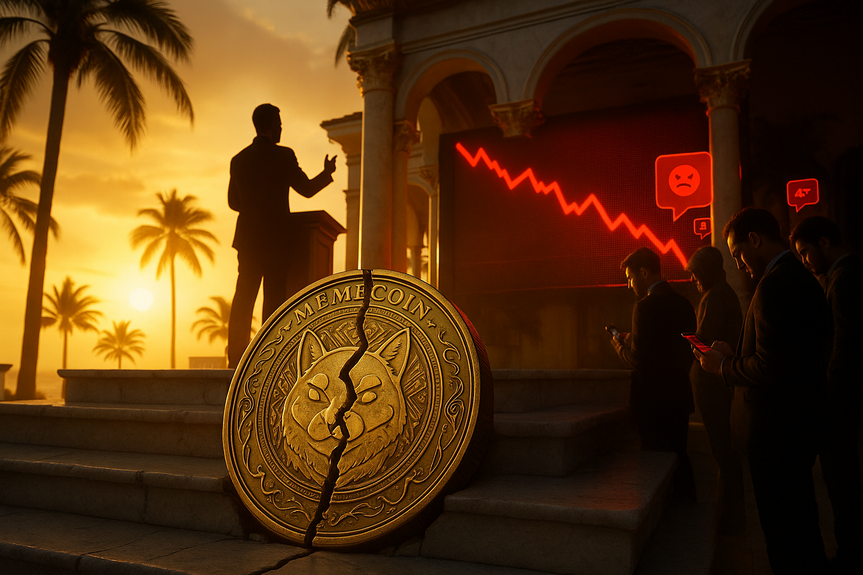
Trump memecoin crash 2026 exposed how fast hype can turn into heavy losses. The token plunged roughly 96%, holdings clustered with two linked firms, and traders voiced anger online. Here’s what happened, why it matters, and simple, practical steps you can use now to protect your crypto from the next sudden drop.
The sharp fall in a high-profile memecoin shows how risky hype-based tokens can be. The coin launched just before the inauguration, with most of the supply held by an affiliate of the Trump Organization and a company run by longtime business partner Bill Zanker. Both reportedly collect trading fees. As traders nursed big losses, the former president was set to attend a memecoin conference at Mar-a-Lago. Other linked ventures faced pressure too: shares in the Truth Social parent fell about 75% since inauguration, its CEO changed this week, and a crypto firm with family ties was sued by a onetime backer. Advocacy groups that protested last year showed less interest this time, saying the shock factor has faded and logistics were harder.
What happened in the Trump memecoin crash 2026
The Trump memecoin crash 2026 was swift and deep. Prices sank by about 96% from the peak, wiping out most paper gains. On-chain data and public claims said two connected entities held the bulk of tokens. That concentration meant a few wallets could set the tone for supply and price. It also meant small buyers had little power to defend the market when momentum flipped.
Memecoins trade on energy, jokes, and fast-moving social media waves. When that energy fades, prices can slide hard. The broader memecoin market also struggled over the past year as the crypto market pulled back. At the same time, other Trump-linked businesses saw strain. The parent of Truth Social lost most of its market value since inauguration. Leadership changes signaled stress. A well-known crypto investor sued a firm with ties to the family. All this added to negative headlines around the token and its network.
For traders, the lesson is clear: concentration, fees, and hype can drive a coin up fast, but they can also speed the fall. The Trump memecoin crash 2026 is a case study in how reflexive memecoin cycles can be.
Why memecoins move so fast
Hype fuels demand
Memecoins often have no clear cash flows or use cases. People buy because others buy. When posts and memes go viral, demand jumps. When interest cools, demand fades just as fast.
Whales can steer price
Large holders control supply. If a few wallets hold most tokens, small sells by them can crush price. Small buys by them can spark rallies. That power makes price action choppy.
Liquidity dries up
Order books and pools can be thin. If many people try to sell at once, there are not enough buyers. Price gaps down. Fee-on-transfer tokens add friction that can push prices lower in panics.
Event and headline risk
Announcements, lawsuits, leadership changes, and conferences can swing sentiment. When the headline hits, momentum traders react first. Late buyers face bigger risk.
10 rules to protect your crypto
- Only risk what you can lose. Set a dollar cap for memecoins. Keep rent, bills, and savings off the table.
- Size positions small. A single memecoin should not be your whole bag. Many smart traders cap any one meme bet at 1–3% of their portfolio.
- Use self-custody for long holds. Store tokens in a wallet you control. Write down your seed phrase. Avoid keeping big sums on exchanges.
- Check holder concentration. Read the top wallets on a block explorer. If a few wallets own most of the supply, risk is high.
- Review token fees and rules. Some tokens charge fees on buys and sells or blacklist wallets. Understand these before you buy.
- Avoid chasing pumps. If a coin is up 500% this week because of a meme or conference, wait. Let price settle. FOMO hurts accounts.
- Set profit targets and stops. Decide in advance: take some profit at 2x, more at 3x, exit on a 20–30% drawdown. Stick to your plan.
- Use limit orders. Market orders on thin pairs can slip. Place limits to control price and reduce surprise fills.
- Beware “insider” narratives. If promoters collect fees, own most tokens, or promise “major burns” without proof, be cautious.
- Keep records for taxes. Track every trade, transfer, and fee. Good records reduce stress later and help you spot bad habits now.
How to spot red flags before you buy
Concentrated ownership
If the top 10 wallets hold a big majority—and they are linked to insiders—risk is high. You could be exit liquidity.
Opaque wallets and contracts
Unverified contracts, paused transfers, or admin keys that can change rules are danger signs. If you cannot read or trust the code, skip it.
Fee-on-transfer mechanics
High taxes on buys and sells help insiders and drain small traders. These fees also make panic exits costly.
Conflicts of interest
Promoters who collect platform or trading fees can win even when you lose. Check disclosures and websites for how they get paid.
Sudden influencer waves
A burst of coordinated posts and paid shout-outs often signals a short pump. Organic growth takes time; spammy hype does not.
Thin liquidity and locked exits
Small liquidity pools and no exchange listings make selling hard. If you cannot verify that liquidity is locked or owned by a neutral party, be careful.
Vague roadmap and no audit
A one-page meme with no clear plan, no team bios, and no audit report is a lottery ticket, not an investment.
Legal heat
Ongoing lawsuits, regulator warnings, or exchange freezes can slam price. Skim recent news before you click buy.
Building a safer plan after big crashes
Pause and review
Do not revenge trade. Write down what went wrong. Was it FOMO? Ignoring holder concentration? No stop? Turn lessons into rules.
Rebalance to strength
Shift a share of your portfolio to more established coins and cash. Many traders use dollar-cost averaging into large caps and keep a small, capped slice for memes.
Map entries and exits
Use clear levels. For example: enter only after a retest of support with rising volume; exit if the thesis breaks or a key wallet dumps.
Automate where you can
Use alerts for whale moves, volume spikes, and news. Set recurring buys for safer assets so emotions have less control.
Protect your stack
Use hardware wallets for long-term holds. Enable multi-factor auth. Beware phishing links, fake airdrops, and copycat contracts.
What this episode teaches traders
When hype meets concentrated ownership and fee structures, small buyers carry big risk. The recent drop showed how prices that rise on social buzz can reverse when that buzz cools or headlines turn. Events and conferences can draw attention, but attention does not equal value. Always check who holds the supply, how the token works, and who gets paid on every trade.
Use crashes as a training ground. Tighten position sizing. Treat memecoins as speculative side bets, not core holdings. Build simple, written rules and follow them. If a token fails basic checks—concentration, fees, liquidity, clear disclosures—walk away. There will always be another coin tomorrow. Your capital must still be there when it shows up.
What this means going forward
The market will launch new memes, more conferences, and louder promises. Your edge is restraint, research, and risk control. Learn from the Trump memecoin crash 2026, apply firm rules, and trade small. Protect your wallet first. Profits come second. Hype fades fast, but a sound plan lasts.
(Source: https://www.politico.com/news/2026/04/23/crypto-traders-disenchanted-trump-memecoin-00888035)
For more news: Click Here
FAQ
* The information provided on this website is based solely on my personal experience, research and technical knowledge. This content should not be construed as investment advice or a recommendation. Any investment decision must be made on the basis of your own independent judgement.
Contents