Crypto
02 Oct 2026
Read 13 min
Trump memecoin dinner contest 2026 How to avoid costly scams *
Trump memecoin dinner contest 2026 urges investors to vet offers and avoid costly crypto scams now
The Trump memecoin dinner contest 2026 promises invites for top $TRUMP holders, but fine print and past losses show big risk. This guide explains event details, what to verify, common crypto tricks, and step-by-step moves to avoid scams and protect your wallet before you buy, trade, or share personal info.
A new invite-only dinner tied to the $TRUMP token is back, and the hype is loud. The event offers perks for top coin holders and a VIP reception at a private club in Washington, DC. But the track record of memecoins, the fine print, and the flood of fake sites should make you pause. Here’s what is actually being offered, why people are worried, and how to avoid the most common traps around high-profile crypto promotions like the Trump memecoin dinner contest 2026.
Top 185 $TRUMP holders get an invitation to an evening event at a private club in Washington, DC.
Top 29 holders receive access to a VIP reception “with YOUR FAVORITE PRESIDENT.”
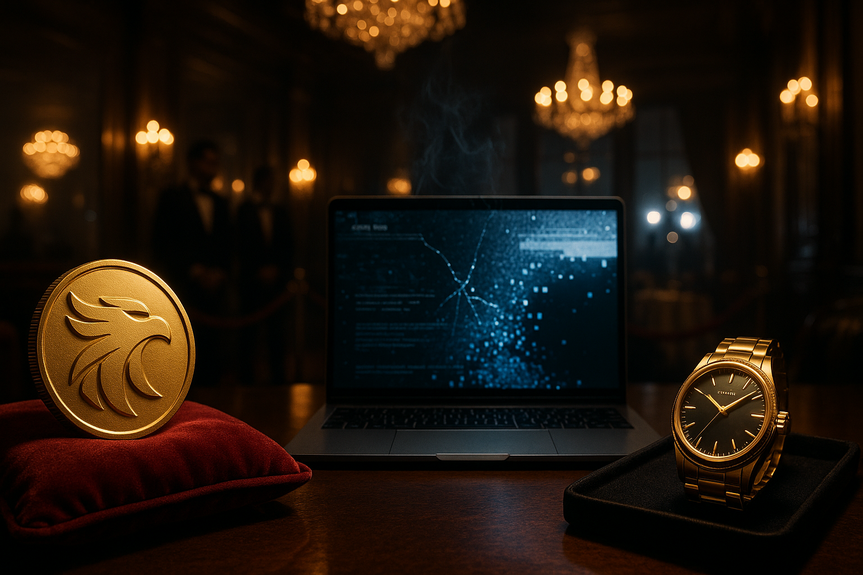
Top 4 holders get an 18-karat Trump-branded gold watch.
The contest began on Wednesday and runs through November 12; the event is set for November 22.
Fine print says no private meet-and-greet with the president and no gifts accepted.
The website tied to the promotion experienced an outage after launch, adding to confusion.
Promoters are framing this as a rare chance to be in the room. But even with strict rules about gifts and access, the structure rewards bigger buyers, which naturally fuels FOMO and speculation.
Disclosures show the president’s crypto ventures added more than $1 billion to his net worth.
A watchdog report from Public Citizen estimated $4.7 billion in paper losses for investors across Trump-linked crypto products run by his adult sons.
The SEC has warned that memecoins have a failure rate exceeding 90% for new tokens.
$TRUMP launched in early 2025, spiked to about $70, then slid to around $2 recently.
Those figures do not say what will happen next. But they show how volatile and unequal results can be. The person promoting a token can win big while many holders see steep drawdowns.
Fake event pages and registration forms that collect IDs and credit cards.
Impersonator accounts that DM “official” instructions.
Counterfeit tokens with the same name but a different contract address.
Wallet-drainer links disguised as RSVP portals.
Pump-and-dump groups promising last-minute “whale moves.”
Type the event URL yourself. Do not trust links from DMs, comments, or group chats.
Check the domain spelling carefully. Scammers swap letters (for example, using a zero for an “o”).
Cross-check announcements on multiple official channels. A real event will match across the website, verified social accounts, and known partners.
Be suspicious of any page that asks for your seed phrase or private key. No real event needs that.
Use a reputable block explorer (like Etherscan) to find the verified $TRUMP contract. Bookmark it.
Match the contract on any exchange or wallet before you buy. Tickers can be cloned; contracts cannot.
Review basics: number of holders, top holder concentration, liquidity depth, and recent contract changes.
If the contract is upgradeable or owned by a single wallet, understand that permissions could be abused.
The posted rules say no private meet-and-greet and no gifts. Any offer that promises a private dinner slot or asks you to send a “gift” is not legitimate.
No real prize should require payment to claim. “Verification” or “processing” fees are red flags.
Deadlines designed to rush you are a classic pressure tactic. Slow down and verify.
Use a fresh “burner” wallet for contest interactions. Keep your main holdings offline on a hardware wallet.
Never share your seed phrase. No support agent, admin, or celebrity needs it.
Check every signature prompt. If a site asks for “setApprovalForAll,” make sure you trust it fully.
Revoke risky approvals regularly using a trusted revoke tool.
Enable phishing-resistant security for accounts, such as an authenticator app or a hardware key.
Set a dollar limit before you buy. Memecoins can drop fast and without warning.
Avoid leverage and margin. Volatility plus debt can wipe you out.
Expect slippage and gas costs. Scammers sometimes hike fees during hype windows.
Assume the token could go to zero. If that risk feels unacceptable, skip it.
Watch for sudden mints, trading pauses, or ownership transfers of the contract.
Check whale activity. If a few wallets control most supply or liquidity, exits can crush price.
Use public tools to spot honeypot behavior, stealth taxes, or blacklists embedded in code.
Legit events do not DM winners first. They post official instructions publicly.
Do not open attachments or “winners list” files. They often hide malware.
If an account claims to be staff, check its handle, verification, and posting history.
Research the team, affiliates, and past events. Look for consistent, verifiable details.
Buy only through trusted platforms that you already use and secure.
Avoid over-the-counter deals and private brokers who “guarantee” placement.
Keep clean records of every transaction and announcement in case of disputes.
Confirm event logistics via the official email domain or published support portal.
Update your wallet, browser, and device software before interacting with any new dApp.
No intrinsic value means price depends on attention. When attention fades, price often follows.
Leaderboards reward big buys, which can concentrate risk in a small group of wallets.
Public figures can profit without sharing investor risk. Prior gains by promoters do not predict future returns for holders.
Do not confuse access with investment merit. An invite is not the same as a sound bet.
What the new contest offers
The firm behind the $TRUMP coin is running another contest for access to what it calls “the most exclusive dinner in the world.” Here are the key details that have been shared publicly:Trump memecoin dinner contest 2026: key facts and context
This is not the first time a dinner has been linked to $TRUMP holdings. In May 2025, top token holders were invited to a black-tie event near Washington. Critics called that episode a pay-to-play scandal because access was tied to investment size. The White House said the president is not involved in his investment accounts and that they are managed by third-party firms. The companies behind the current event include CIC Digital and Fight Fight Fight LLC, which are affiliated with the Trump Organization. Numbers also matter here:Why hype events attract scams
When a high-profile crypto event trends online, scammers swarm. They copy logos, buy lookalike domains, and spam social channels with fake links. They post “airdrop” offers that drain wallets. They push counterfeit tokens with the same ticker, or they claim you won a prize and need to “verify” by sending a small fee. The buzz around the Trump memecoin dinner contest 2026 will likely inspire all of these tactics. Common scams to expect:How to avoid costly scams around this event
1) Verify the source before you click
2) Confirm the real token contract
3) Read the fine print and spot contradictions
4) Protect your wallet like a pro
5) Control your budget and your pace
6) Track on-chain behavior for warning signs
7) Treat DMs, giveaways, and “winners lists” as hostile
If you still want to participate, safer steps
The bigger risk profile of memecoins
Memecoins often move more on hype than on fundamentals. They can print huge gains in hours and then lose nearly all value just as fast. The SEC has warned that more than 90% of new tokens fail. Liquidity can be thin, and a few large holders can swing price by selling. If you chase leaderboard-based perks, you may end up buying at the top while early holders exit. That does not mean no one should participate; it means you should understand the odds and the incentives at play. Consider these reminders:Bottom line
The Trump memecoin dinner contest 2026 will draw eyes, money, and a wave of impostors trying to cash in on the buzz. If you decide to engage, verify every link, match the real token contract, protect your wallet, and set a strict budget. High-profile crypto promotions can be exciting, but avoiding costly scams always matters more than chasing a seat at the table. (p>(Source: https://www.cnn.com/2026/10/01/business/trump-meme-coin-dinner-crypto)For more news: Click Here
FAQ
Q: What does the Trump memecoin dinner contest 2026 offer to top $TRUMP holders?
A: The contest offers invitations to an evening at a private club in Washington, DC for the top 185 $TRUMP holders, with the top 29 receiving access to a VIP reception and the top four awarded an 18-karat Trump-branded gold watch. The promotion runs through November 12 and the event is scheduled for November 22, with fine print stating no private meet-and-greets and no gifts accepted.
Q: Does the contest guarantee a private meeting with the president?
A: No; the contest’s fine print explicitly says no attendees will be granted a private meet-and-greet with the President and that no gifts will be accepted. The White House also referred questions to the hosts and has said the president is not involved in his investment accounts.
Q: What are the main financial and investment risks tied to the Trump memecoin dinner contest 2026?
A: Memecoins have no intrinsic value and are prone to sudden collapses, with the SEC warning that more than 90% of new tokens fail. The $TRUMP token spiked to about $70 after launch and later fell to around $2, disclosures show the president has gained more than $1 billion from crypto ventures, and a watchdog estimated investors in Trump-linked crypto had about $4.7 billion in paper losses.
Q: How can I verify the real $TRUMP token contract before buying?
A: Use a reputable block explorer such as Etherscan to find and bookmark the verified $TRUMP contract, and match the contract address on any exchange or wallet before purchasing because tickers can be cloned. Review contract basics like number of holders, top-holder concentration, liquidity depth, recent contract changes, and whether the contract is upgradeable or owned by a single wallet.
Q: What common scams should I watch for around this event?
A: Expect fake event pages and registration forms that collect IDs or payment, impersonator accounts that DM “official” instructions, counterfeit tokens with the same ticker but different contract addresses, wallet-drainer links disguised as RSVP portals, and bogus “airdrop” or “winner” claims that ask for verification fees. These tactics are commonly used to trick people during high-profile crypto promotions and the article notes scammers copy logos and buy lookalike domains to spread them.
Q: What steps should I take to protect my wallet if I interact with contest sites or dApps?
A: Use a fresh “burner” wallet for contest interactions and keep your main holdings offline on a hardware wallet, never share your seed phrase, and check every signature prompt before approving transactions. Regularly revoke risky approvals using trusted revoke tools and enable phishing-resistant security like an authenticator app or a hardware key.
Q: If I still want to participate, what safer practices should I follow?
A: Research the team, affiliates, and past events for consistent verifiable details, buy only through trusted platforms you already use, avoid over-the-counter deals and private brokers who “guarantee” placement, and set a strict dollar limit before you buy. Keep clean records of transactions and announcements, confirm event logistics via official email domains or published support portals, and update your wallet, browser, and device software before interacting with new dApps.
Q: What red flags should I look for in contest rules and announcements?
A: Look for contradictions such as promises of private access while the fine print forbids meet-and-greets, any requirement to pay “verification” or “processing” fees to claim prizes, requests for seed phrases or private keys, and deadlines designed to rush you. Any page asking for gifts, payments to claim a prize, or your private keys should be treated as a red flag and avoided.
* The information provided on this website is based solely on my personal experience, research and technical knowledge. This content should not be construed as investment advice or a recommendation. Any investment decision must be made on the basis of your own independent judgement.
Contents