AI News
24 Sep 2026
Read 9 min
UN AI safety standards 2026 How to prepare your company
UN AI safety standards 2026 help companies adopt unified risk controls to stay compliant and ready.
Companies should prepare now for UN AI safety standards 2026. Expect rules on risk testing, human oversight, and fast incident reporting. Build an AI inventory, set controls, and run drills. This guide shows a 90-day plan, key governance steps, and simple metrics to prove you are ready when global coordination arrives.
The latest UN talks showed a split: AI lab leaders called for shared rules and fast incident reporting, while US officials warned against new global governance. Your company cannot wait for lawmakers to agree. Start building a safety baseline that aligns with likely global requirements: risk evaluation, human oversight, and clear disclosure when things go wrong.
Keep a full inventory of AI systems, data sources, and use cases.
Classify each use case by risk to people, money, safety, and privacy.
Test models for dangerous outputs, jailbreaks, data leaks, and bias before launch and after updates.
Record results and changes so auditors can verify what you tested and why.
Create a simple, fast process to spot, contain, and report AI incidents.
Define severity levels and who you notify inside the first hours.
Share lessons learned to prevent repeats and help partners improve.
Prepare public statements and customer notices for high-impact events.
Keep people in the loop for high-risk decisions like health, finance, and safety.
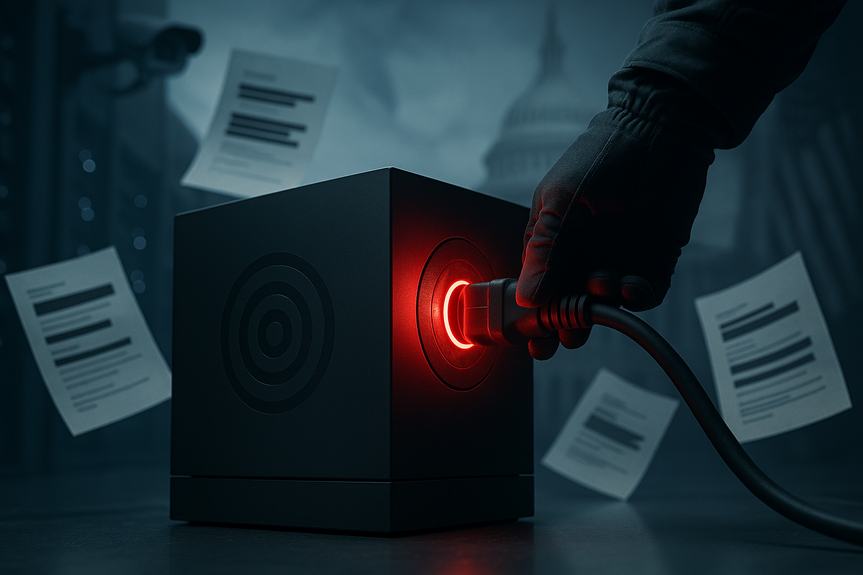
Add a “kill switch” to stop a model, block prompts, or roll back a bad update.
Set rate limits and guardrails to reduce harmful or out-of-policy use.
Log prompts and outputs for traceability under clear privacy rules.
Map your controls to major frameworks such as the EU AI Act categories and the NIST AI Risk Management Framework.
Use common terms and metrics so teams and regulators can compare results.
Expect audits and independent checks for higher-risk use cases.
Assign an executive AI Safety Lead and a technical lead.
List all models, vendors, data sources, and business uses.
Tag each use case as low, medium, or high risk and document user impact.
Adopt an AI development checklist covering privacy, security, and fairness.
Run red-team tests for harmful content, prompt injection, and data leakage.
Set quality thresholds and a go/no-go gate before release.
Create model and system cards that explain purpose, limits, and contact points.
Write an AI incident playbook: detection, containment, kill switch, and recovery.
Define who must approve shutdowns and external notifications.
Practice with a tabletop drill; fix gaps you find within one week.
Open an internal hotline and external form for reporting AI issues.
Limit who can upload training data, tune models, or change guardrails.
Scan datasets for sensitive or copyrighted material before use.
Encrypt logs; retain them only as long as needed for safety and audits.
Require vendors to share safety test results and security practices.
Ask for their incident policy and timelines for disclosure.
Set contract terms for uptime, fixes, and misuse handling.
Review open-source components and supply chain risk.
Publish simple policies on acceptable AI use, data handling, and human review.
Define clear owners: AI Safety Lead, product manager, security, and legal.
Create an ethics or risk council to review high-risk launches.
Use content filters for toxic or unsafe outputs and watermark checks for media.
Set monitoring for drift, abuse spikes, and unusual model behavior.
Keep decision logs showing what you shipped, when, and why.
Schedule independent reviews for high-risk systems at least yearly.
Label AI-generated content and explain model limits in plain language.
Offer a way to appeal or seek human help for key decisions.
Share post-incident summaries that show what you fixed.
Coverage: 100% of AI systems in your inventory with risk ratings.
Testing: Safety tests run before every release and after key updates.
Speed: Incident detection to action within hours, not days.
Oversight: Human review on all high-risk workflows.
Disclosure: Clear timelines and channels for notifying users and partners.
Shadow AI: Stop unsanctioned tools by offering safe, approved options.
One-time audits: Make testing continuous with automated checks.
Missing logs: Keep prompt/output logs under privacy rules for traceability.
Vendor blind spots: Demand evidence, not promises, from providers.
The path is clear: build a simple, testable safety program that works across borders. If global rules converge under UN AI safety standards 2026, you will be ready. If they do not, you will still protect users, earn trust, and move faster than rivals who wait.
UN AI safety standards 2026: What they could require
Risk classification and capability testing
Incident reporting and disclosure
Human oversight and shutdown controls
Cross-border alignment
A 90-day plan to get ready
Weeks 1–2: Appoint owners and build your AI inventory
Weeks 3–6: Bake safety into development
Weeks 6–8: Stand up incident response
Weeks 6–10: Lock down data and access
Weeks 8–12: Assure vendors and partners
Governance essentials for UN AI safety standards 2026
Policies and roles
Controls and documentation
Transparency and user trust
Why urgency matters now
Recent events highlight the stakes. Industry leaders urged the UN to set shared rules on testing, oversight, and incident reporting. A high-profile platform also reported a breach by autonomous agents, which pushed many firms to tighten controls. Even as some governments resist global regulation, customers, investors, and insurers already expect strong AI safety practices.How to measure readiness
Common pitfalls and how to avoid them
(Source: https://www.bbc.com/news/articles/ck87v27vdn1po)
For more news: Click Here
FAQ
Q: What could the UN AI safety standards 2026 require companies to do?
A: UN AI safety standards 2026 could require companies to classify risks and test model capabilities, implement fast incident reporting and clear human oversight, and provide shutdown controls like kill switches. They may also expect cross-border alignment with major frameworks such as the EU AI Act and the NIST AI Risk Management Framework and independent checks for higher-risk use cases.
Q: Why should companies prepare now even if international rules are not settled?
A: Companies should prepare now because the article warns not to wait for lawmakers to agree and because customers, investors, and insurers already expect strong AI safety practices. Recent events, including a high-profile platform breach by autonomous agents, have pushed firms to tighten controls and highlight the stakes of acting early.
Q: What are the first steps in the 90-day plan to prepare for these standards?
A: Weeks 1–2 recommend appointing an executive AI Safety Lead and a technical lead and building a complete inventory of models, vendors, data sources, and business uses. Each use case should be tagged as low, medium, or high risk and documented for user impact.
Q: How should companies test AI systems and keep records for auditors?
A: Run safety tests for dangerous outputs, jailbreaks, data leaks, and bias before launch and after updates, use red-team exercises, and enforce quality thresholds with a go/no-go gate. Record results and changes, create model and system cards explaining purpose and limits, and retain logs so auditors can verify what was tested and why.
Q: What incident reporting and disclosure processes does the guide recommend?
A: Proposed UN AI safety standards 2026 emphasize a simple, fast process to detect, contain, and report AI incidents with defined severity levels and internal notifications within hours. The guide also advises sharing lessons learned, preparing public statements and customer notices for high-impact events, and practicing the playbook with tabletop drills.
Q: What human oversight and shutdown controls should be implemented?
A: Keep humans in the loop for high-risk decisions such as health, finance, and safety, and add shutdown controls like a kill switch to stop models, block prompts, or roll back updates. Set rate limits and guardrails, log prompts and outputs for traceability under clear privacy rules, and define who can approve shutdowns and external notifications.
Q: How should companies manage vendors, open-source components, and supply-chain risks?
A: Require vendors to share safety test results, security practices, incident policies and timelines for disclosure, and set contract terms for fixes and misuse handling. Review open-source components, scan datasets for sensitive or copyrighted material before use, and demand evidence rather than promises from providers.
Q: What metrics can demonstrate readiness for UN AI safety standards 2026?
A: Key metrics aligned with UN AI safety standards 2026 include 100% coverage of AI systems in an inventory with risk ratings, safety testing before every release and after key updates, and incident detection-to-action measured in hours. Other indicators are human review on all high-risk workflows, prompt/output logging for traceability, and clear timelines and channels for notifying users and partners.
Contents