Crypto
11 Dec 2025
Read 12 min
Why did NFTs crash and how to avoid the next bubble *
why did NFTs crash, learn clear bubble signals and use practical steps to protect your capital today
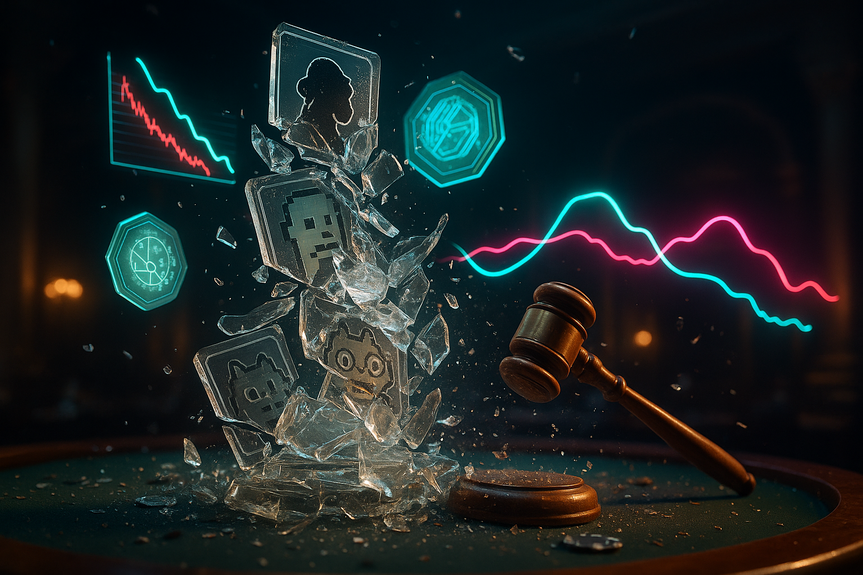
NFTs rose fast and fell faster. The short answer to why did NFTs crash: hype beat utility, easy money fueled speculation, and thin markets could not hold prices once demand cooled. As rates climbed and attention shifted, the bubble popped. The lesson is simple: chase use, not noise, and cap your risk.
During the pandemic, NFTs felt new and exciting. They promised digital ownership, social status, and access to online clubs. People were at home with time, stimulus money, and rising crypto wealth. Prices ripped. Then they slid, then they plunged. If you want to understand why did NFTs crash and how to dodge the next bubble, start with the basics of how manias form and end.
Why did NFTs crash: six forces that popped the bubble
Pandemic fuel: idle time and easy money
Lockdowns gave people time to trade. Stimulus checks and rising crypto prices gave them cash and confidence. Zero or near-zero interest rates pushed investors to hunt for anything that might go up. Traders treated NFTs like lottery tickets. The setup was perfect for a surge. It was also fragile. When life normalized and free time fell, so did engagement. When rates rose, the easy-money tailwind flipped into a headwind. The same fuel that pushed prices up vanished on the way down.Hype loops: celebrities, media, and social proof
Influencers and celebrities bought and promoted collections. Media told feel‑good stories about digital art and overnight riches. Social feeds turned rare JPEGs into status symbols. People asked, “If these famous people are in, why not me?” That is textbook herd behavior. Hype can start demand, but it cannot sustain it. Once headlines cooled and endorsements slowed, a key prop under prices disappeared. Without fresh buyers chasing higher floors, momentum traders left, and bids thinned out.Fake scarcity and weak utility
NFTs promised scarcity. Many collections limited supply to 10,000. But there were thousands of collections, plus endless derivative drops. Scarcity only matters if the thing is truly wanted. For most, the core use was bragging rights and membership vibes. That can hold value for a few projects with strong communities. It does not support a market of millions of tokens. When utility is vague and interchangeable, prices track attention, not fundamentals. Attention is fickle.Thin markets, leverage, and rug pulls
On-chain markets look liquid during booms but can be very thin. A few big bids can mask fragility. Loan platforms let holders borrow against NFTs, adding leverage to a volatile asset. Some projects rugged buyers or overpromised roadmaps they never delivered. Wash trading and self-dealing distorted prices in smaller collections. All of this works in a bull run and unravels fast in a downturn. When forced sellers hit thin order books, floors can gap down 50% in a day.Fees, royalties, and legal gray areas
Marketplaces fought over creator royalties. Some made royalties optional, which cut income for artists and teams. That limited long‑term incentives to support projects. Legal rights were also murky. Many buyers thought they owned the art, but often they held only a token with a link and a license with limits. Confusion around rights, custody of metadata, and platform risk kept cautious capital out and made confidence fragile.Return of opportunity cost
When rates rose, safer assets started to pay again. Holding a volatile picture with no cash flow became harder to justify. Capital moved to T‑bills, AI stocks, and new themes. This is a key part of why did NFTs crash: money seeks the best risk‑adjusted reward. When better options appear, speculative assets without yield or clear use lose their bid.The bill came due: what the data shows
At the top, headlines shouted record sales. Beeple’s Everydays sold for about $69 million at a major auction house. The Merge reportedly fetched over $90 million. Collections like Axie Infinity, Bored Ape Yacht Club, CryptoPunks, and Mutant Apes each tracked billions in total sales volume during the frenzy. Add up the top 100 collections and you get roughly $39 billion in sales history. Those numbers masked a hard truth. Sales volume is not the same as lasting value. Many trades simply passed the same tokens between short‑term buyers at higher prices. When the music stopped, most collections fell 70%–99% from peak floors. Liquidity dried up. Only a small set of top projects kept communities, utility, or cultural weight. This is the usual shape of a bubble: a tiny tier holds value, the long tail fades to near zero.A simple bubble checklist
To answer why did NFTs crash, check the signs that often show up in manias:New, exciting product plus fast price spikes
New technology can justify some premium. But when price outpaces real use, beware.Celebrity endorsements and media heat
Attention drives demand in the short run. It also draws grifters and copycats.Easy money conditions
Low rates and high liquidity push investors into risk. That reverses when conditions tighten.Thin liquidity behind splashy sales
Big prints can hide fragile markets. Always look at depth, not just headlines.Over‑issuance
When creators flood the market with similar products, scarcity dies and buyers get choosy.How to avoid the next bubble
You cannot stop bubbles. You can avoid getting wrecked. Use these rules the next time a shiny asset surges.- Cap your “fun money.” Set a small, fixed amount for speculation. Keep core savings and retirement in boring, diversified assets.
- Demand real utility. Ask, “What problem does this solve today?” Access, identity, yield, or rights should be clear and durable.
- Follow the cash flows. Who gets paid, how, and from whom? If value depends only on a higher future buyer, walk away.
- Ignore celebrity signals. If a promotion is the core pitch, it is not an investment thesis.
- Check liquidity and slippage. Try a small sell. If you move the market a lot, size down or pass.
- Avoid leverage on speculative assets. Volatility plus loans equals forced selling and fast losses.
- Audit supply and unlocks. Know how many tokens exist now and later. Hidden supply kills floors.
- Map counterparty risk. Where is the art stored? What if a marketplace changes rules? What are your actual legal rights?
- Use time as a filter. If you would not hold it for three years without catalysts, it is probably a trade, not an investment.
- Write your exit plan. Define price targets, time limits, and red flags before you buy.
What survives after the crash
Bubbles often leave useful parts behind. Railroads, dot‑coms, and smartphones all had boom‑bust cycles that still advanced the world. NFTs may keep niche roles where on‑chain uniqueness matters:- Tickets and memberships with clear perks and anti‑fraud benefits
- Gaming items that move across titles or marketplaces
- On‑chain identity and loyalty programs that reward behavior
- Digital art with strong communities and ongoing experiences
The bigger pattern: most things are average
Most financial products are mediocre. A small slice is great. In bull markets, the average gets mistaken for elite. The ETF world shows this. There are thousands of funds, but only a small group is worth owning for the long haul. Crypto is no different. Bitcoin and Ether have found major use or belief. Thousands of tokens and collections turned into “dead” projects. Knowing this pattern is a quiet edge. It helps you say “no” more often. Markets reward patience, skepticism, and risk control. They punish fear of missing out. If you study why did NFTs crash, you learn to spot the same signals in the next wave, whether it is AI tokens, tokenized real assets, or whatever acronym comes next. The mania is over, but the lesson stands. Ask hard questions, size your bets, and focus on real use. If you keep coming back to the core question—why did NFTs crash—you will be less likely to repeat the same mistake when the next fast‑rising trend shows up in your feed. (Source: https://ritholtz.com/2025/12/what-happened-nfts/) For more news: Click HereFAQ
Q: What caused the NFT market to collapse?
A: The short answer to why did NFTs crash: hype beat utility, easy money fueled speculation, and thin markets could not hold prices once demand cooled. As rates climbed and attention shifted, the bubble popped.
Q: How did pandemic conditions contribute to the NFT boom and bust?
A: Lockdowns, stimulus checks, and rising crypto wealth gave people time and capital to speculate, turning NFTs into lottery tickets and driving rapid price spikes. When life normalized and rates rose, engagement fell and the easy‑money tailwind vanished.
Q: What role did celebrities and media play in the NFT frenzy?
A: Influencers and celebrities promoted collections and media fawning created social proof that attracted new buyers and herd behavior. Once endorsements and headlines cooled, a key prop under prices disappeared and momentum traders left.
Q: Why did claimed scarcity fail to support most NFT prices?
A: Many collections limited supply but there were thousands of similar drops and derivative issuances, so true scarcity was diluted across the market. With vague utility and interchangeable tokens, prices tracked attention rather than fundamentals.
Q: How did market mechanics like liquidity and leverage amplify losses?
A: On‑chain markets often appeared liquid during booms but were actually thin, loans against NFTs added leverage, and wash trading or rug pulls distorted prices. When forced sellers hit thin order books, floors could gap down 50% in a day.
Q: Did fees, royalties, or legal uncertainties contribute to the crash?
A: Optional royalties on some marketplaces reduced long‑term incentives for creators and teams to support projects, and many buyers held tokens with limited licenses rather than full ownership. Confusion over rights, metadata custody, and platform risk kept cautious capital out and made confidence fragile.
Q: What warning signs indicated an NFT bubble was forming?
A: The checklist included a new, exciting product with fast price spikes, celebrity endorsements and media heat, easy‑money conditions, thin liquidity behind headline sales, and over‑issuance. Those signals typically precede manias and make speculative assets without clear use vulnerable when conditions change.
Q: How can investors avoid getting wrecked by the next NFT‑style bubble?
A: Cap your “fun money,” demand clear utility, follow the cash flows, check liquidity and slippage, avoid leverage, audit supply schedules and counterparty risk, and write an exit plan before buying. Use time as a filter—if you would not hold it for three years without catalysts, treat it as a trade, not an investment.
* The information provided on this website is based solely on my personal experience, research and technical knowledge. This content should not be construed as investment advice or a recommendation. Any investment decision must be made on the basis of your own independent judgement.
Contents