Crypto
07 Dec 2025
Read 13 min
Zohran Mamdani transition fundraising 2025 explained *
Zohran Mamdani transition fundraising 2025 pairs small donors with elite hosts to staff the transition
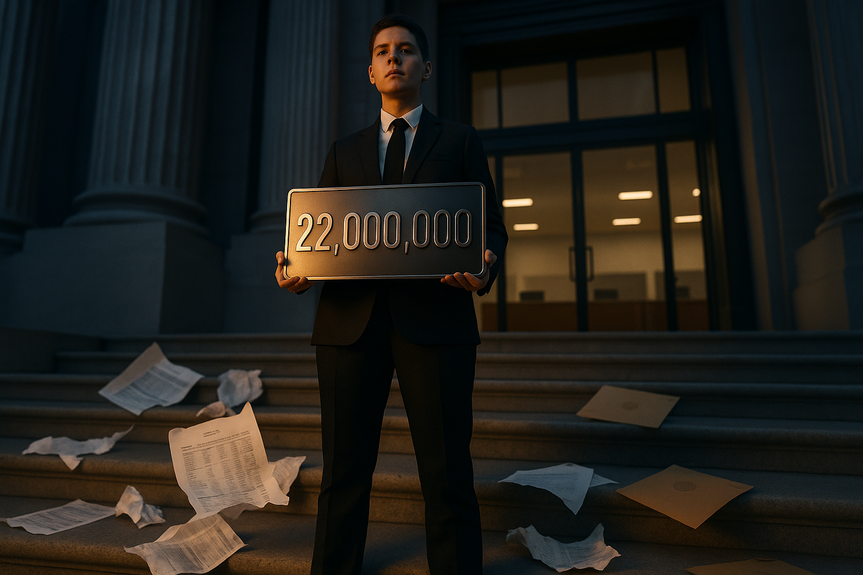
Zohran Mamdani transition fundraising 2025 blends small-dollar energy with high-dollar help. The mayor-elect set a $4 million goal, raised more than $3 million from nearly 30,000 people, and is mixing grass-roots gifts with private events hosted by wealthy allies. The strategy tests his promise to fight oligarchs while building a bigger, faster transition.
New York City’s mayor-elect is trying to prove two ideas at once. He says big cities can run people-powered transitions. He also says you cannot do that without real money. So he set an ambitious target, built a large staff, and asked both small donors and rich supporters to chip in. The approach is clear, simple, and bold.
Salaries for staff who vet applicants and draft early plans
Office rent and equipment
Legal work, including background checks for candidates
Inauguration planning and logistics
A co-chair first suggested the budget also fed volunteers, then clarified that funds were not used for volunteer meals. That kind of quick correction shows how closely this effort is getting watched.
Michael Novogratz, a cryptocurrency billionaire and head of Galaxy Digital, co-hosted a sold-out event
Leah Hunt-Hendrix, a progressive philanthropist and Hunt oil heir, co-hosted a fundraiser in TriBeCa with Marvin Ammori, a crypto advocate
Adriana Trigiani, a best-selling author, hosted a breakfast fundraiser near Union Square
Neil Barsky, a former hedge fund manager who founded the Marshall Project, will host an uptown event
A star-filled arts reception is set for the Lower East Side, featuring Julianne Moore, Mark Ruffalo, Ramy Youssef, Tituss Burgess, and director Mira Nair, who is the mayor-elect’s mother
These are not corporate checks; transitions cannot accept funds directly from businesses. But the optics are tricky. The mayor-elect says donors will not get special access. He says they hear a short talk about affordability and pose for photos—nothing more, no policy promises.
Breakfast with a book-world host one week
Evening in the West Village with finance and tech figures the next
Morning in TriBeCa with progressive philanthropists and crypto voices
Upcoming uptown evenings, including one with Neil Barsky
Downtown arts reception with big-name actors and directors
This pace is normal for political transitions. It is less normal for a candidate who avoided much of the usual big-donor circuit during the campaign. But the team argues the scale of the operation requires it.
17 committees, 400 New Yorkers
Forum-style kickoff felt like a rally
NDA meant to keep debates in-house
Legal caps: Individuals can give up to $3,700 to the transition
No direct corporate donations allowed
Public disclosure filings, starting in December
Stated commitment that donors get no special treatment
Whether those protections are enough will depend on what happens after Jan. 1—contracts, appointments, and budget choices.
Do hires come from movement groups, civil service, or the private sector?
Do committee recommendations show up in appointments or policy memos?
Does the new Department of Community Safety idea advance?
What Zohran Mamdani transition fundraising 2025 aims to do
The goal and the gap
Mr. Mamdani wants $4 million to fund the shift from campaign to governing. As of early December, his team says it has raised over $3 million from almost 30,000 donors. The typical gift in November was $88. Ninety-five percent of donations were under $250. Larger gifts, up to the $3,700 legal limit per person, help fill the gap.Why the money matters
His transition is big and busy. The team reported 84 paid staff members, a figure that appears larger than recent transitions. The city offers a small office near City Hall, but little else. The committee says most funds go to basic operations, not perks.Mixing donor pools without losing the message
As Zohran Mamdani transition fundraising 2025 moves ahead, the team leans on small donors for legitimacy and scale, and on elite donors for speed and stability. This mix is unusual for a democratic socialist who ran against “modern oligarchs,” and it is the core tension of the moment.Who is giving and why it matters
Small donors still drive the story
The numbers say the base is real. Most donors gave less than $250. The average gift was well under $100 last month. That stands in sharp contrast to the transitions of Mayors Eric Adams and Bill de Blasio, whose average transition donations topped $1,000. The mayor-elect is using social media to widen the pool and keep the average low.Big names at private events
High-profile hosts are also opening doors. Recent and upcoming events show a who’s who of arts, finance, and philanthropy.How the drive compares to past mayors
Mr. Adams and Mr. de Blasio each raised about $2 million for their transitions, from around 800 donors apiece. The current effort aims for double the money and many times the number of donors. That choice mirrors the campaign, which relied on large numbers of small gifts boosted by the city’s public matching program. There is no matching program for transition funds, so the broad base is even more notable.Strategy: mixing grassroots energy and elite access
The calendar tells the story
The schedule shows a tight blend of public image work and private donor outreach.The pitch stays on affordability
At events, the mayor-elect centers the same theme that powered his run: lower costs for working families. He ties donors—rich or not—back to the same message. He keeps the focus on rent, wages, and city services. That consistency helps bridge the gap between elite host lists and everyday supporters.Inside the transition machine
Committees and an NDA
The transition named 17 committees with about 400 members. Topics range from community organizing to city operations. Some see the panels as symbolic; others say they are doing real work. The legal team asked participants to sign a five-page nondisclosure agreement—longer than the prior mayor’s single-clause confidentiality pledge. The aim is to protect frank discussion and vetting.Early moves and policy signals
The team asked 179 City Hall staff members to resign by Jan. 1, a standard but sweeping step to reset the administration. One committee discussed creating a new Department of Community Safety. That idea hints at a shift in how the city may handle public safety beyond traditional policing.Progressive allies stay close
The mayor-elect joined Senator Bernie Sanders on a Starbucks picket line this week. He also met with Mr. Sanders and Lina Khan, the former Federal Trade Commission chair who now serves as a transition co-chair. They met in a conference room labeled “Zuccotti Park,” a nod to the Occupy Wall Street era. These signals help anchor the transition in a progressive frame even as private fund-raisers multiply.Risks and safeguards
New York has a history of pay-to-play politics. The image of private living rooms and $1,000 tickets will stir doubt. Critics will watch Zohran Mamdani transition fundraising 2025 to see if donations shape policy or hiring. The mayor-elect says no. He points to rules that bar business contributions, public disclosures due on the first tranche of donations, and a clear message that access is not for sale. Here are the key guardrails to note:What to watch next in Zohran Mamdani transition fundraising 2025
The $4 million finish line
The team is within striking distance of its goal. Watch for a late-December push online to lift small-dollar totals while a few high-dollar gatherings close the gap. The balance of small to large gifts in the next disclosure will say a lot about how well the grass-roots strategy is holding.Staff announcements and early hires
As the administration names commissioners and senior aides, look for signs of the coalition at work:The tone on affordability
Expect the message to stay fixed on cost of living. If the mayor-elect pairs bold moves on housing, wages, and city services with strict ethics rules, he can blunt criticism about the fund-raising circuit. Early proof points will be rent policy, enforcement priorities, and budget choices by spring. In the end, the story is about building a government fast, with broad buy-in and clear values. The plan depends on thousands of small gifts and a handful of big checks, all pointed at a large and active transition. If the team keeps transparency high and decisions aligned with the campaign’s promises, Zohran Mamdani transition fundraising 2025 could become a model for how a modern, populist city leader funds a handoff to governing without losing the base.(Source: https://www.nytimes.com/2025/12/05/nyregion/mamdani-transition-fund-raisers.html)
For more news: Click Here
FAQ
Q: What is the fundraising goal and current progress of Zohran Mamdani transition fundraising 2025?
A: The mayor-elect set a $4 million goal and his transition team said it had raised more than $3 million from nearly 30,000 donors. Most contributions have been small, with 95 percent under $250 and an average gift of $88 in November.
Q: How does Zohran Mamdani transition fundraising 2025 blend small-dollar donations with larger contributions?
A: The drive relies heavily on small donors—95 percent of gifts were under $250 and the average November donation was $88—while larger donations up to the legal limit help fill funding gaps. Individual contributions as large as $3,700 have been used to supplement thousands of smaller gifts.
Q: Who has hosted or participated in the private events supporting the transition?
A: Events were co-hosted by figures such as Michael Novogratz, Leah Hunt-Hendrix and Marvin Ammori, and Adriana Trigiani hosted a breakfast fundraiser, while a Lower East Side reception is slated to include Julianne Moore, Mark Ruffalo, Ramy Youssef, Tituss Burgess and Mira Nair. The cheapest ticket for that arts reception was reported to cost $1,000.
Q: What are the primary uses of the funds raised by Zohran Mamdani transition fundraising 2025?
A: The transition committee said the vast majority of its budget goes to operations, including staff salaries to vet applicants and draft plans, office rent and equipment, and legal work such as background checks. Funds also support inauguration planning and logistics rather than perks, the committee said.
Q: How does Mamdani’s transition fundraising compare with previous mayoral transitions?
A: Mayors Eric Adams and Bill de Blasio each raised around $2 million for their transitions from roughly 800 donors, while Mr. Mamdani aims for $4 million and has attracted nearly 30,000 donors. His campaign benefited from New York City’s public matching program, but there is no matching program for transition funds.
Q: What legal limits and transparency measures apply to Zohran Mamdani transition fundraising 2025?
A: Individuals can give up to $3,700 to the transition, transitions cannot accept direct corporate donations, and the committee is required to file public disclosure reports starting in December. The mayor-elect has said donors will not receive special influence and the transition pointed to disclosure rules and legal caps as safeguards.
Q: What internal transition structures and safeguards has Mamdani established?
A: The transition created 17 committees populated by about 400 New Yorkers and its legal team asked participants to sign a five-page nondisclosure agreement, longer than prior transitions’ confidentiality pledges. The operation reported 84 paid staff members and one committee has discussed creating a Department of Community Safety, while the transition also asked 179 City Hall workers to resign by Jan. 1.
Q: What concerns or risks have critics raised about Zohran Mamdani transition fundraising 2025?
A: Critics have flagged the optics of private fund-raisers and wealthy hosts given Mr. Mamdani’s anti-oligarch, pro–working-class message, and observers will watch whether donations influence policy or hiring. Mr. Mamdani has insisted donors will not get special access and the transition said it will make public disclosures and follow legal limits.
* The information provided on this website is based solely on my personal experience, research and technical knowledge. This content should not be construed as investment advice or a recommendation. Any investment decision must be made on the basis of your own independent judgement.
Contents