AI News
30 May 2026
Read 10 min
Generative AI in documentary filmmaking: 5 ethical rules
Generative AI in documentary filmmaking can finish impossible shots while demanding ethical tests.
Generative AI in documentary filmmaking is here, and it needs clear rules. After Steven Soderbergh’s Lennon film used about 10% AI imagery and sparked debate at Cannes, one thing is clear: filmmakers must protect truth, labor, and trust. Here are five ethical rules to keep the craft honest and audiences informed.
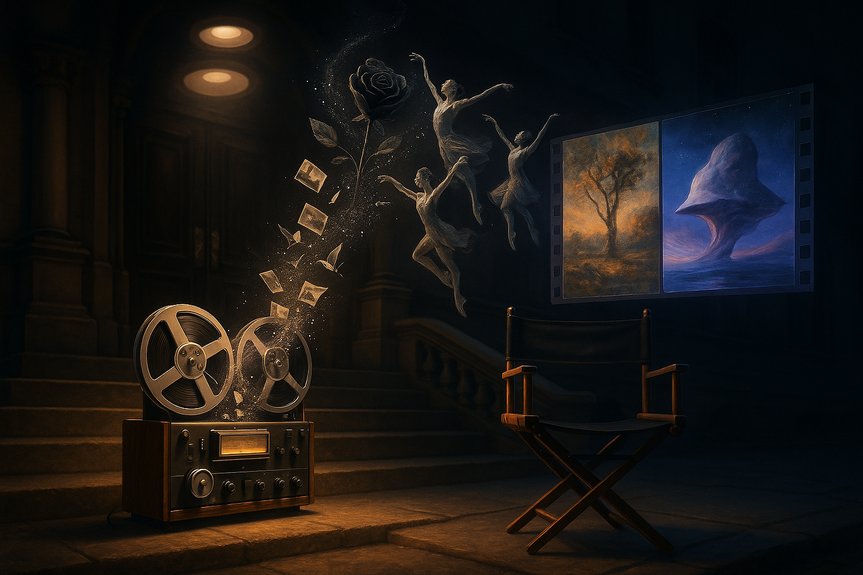
Steven Soderbergh’s John Lennon: The Last Interview premiered at Cannes with a bold choice: about one-tenth of its visuals came from Meta’s new video tools, and Meta also helped fund the final stretch. The AI shots were abstract—light circles, a black rose, painterly textures—not literal recreations. There were no AI deepfakes of John Lennon or Yoko Ono.
Soderbergh publicly set a test for every AI shot: it had to be necessary, the best option, and the only way to achieve a specific image. He also stressed open disclosure, calling himself “my own whistleblower.” Cannes itself sent mixed signals, with fierce pushback from some filmmakers and cautious openness from others. That tension is the lesson. Soderbergh’s test offers a practical map for generative AI in documentary filmmaking.
Ask three questions before any AI shot:
Is it necessary?
Is it the best way to say this?
Is it the only way to get this image?
Favor metaphor over mimicry when facts lack visuals. Abstract images can support ideas without pretending to be “found footage.”
Place AI late in the process, after archival research and edits, so it supports story needs—not the other way around.
No deepfakes of real people without explicit, verifiable consent from them or their legal representatives.
If estates or families approve digital performance work, state that consent on screen and in credits.
Use AI for mood, philosophy, or inner life—not to invent memory. In Soderbergh’s film, surreal motifs stood in for ideas, not for lost facts.
Keep a bright line: do not generate images that a viewer could mistake for authentic historical record.
On-screen at minimum: “This film contains AI-generated imagery.”
In end credits: list the tools, vendors, and specific sequences that used AI.
Disclose conflicts of interest. If a company both funds the film and provides AI tools, say so up front and in press notes.
Keep an internal shot log that marks source type (archival, live action, AI) with timecodes. Be ready to share it with press, festivals, and fact-checkers.
Hire humans first for research, cutting, color, sound, and VFX. Use AI to fill true gaps, not to sideline teams.
Credit roles accurately: archival producers, researchers, VFX supervisors, and artists—even when AI assists.
Budget honestly. Do not sell AI as a like-for-like replacement for months of compositing when it is a different creative choice with different risks.
Value imperfection. When everyone can make something “technically perfect,” hand-made texture and human timing become a signature worth keeping.
Use licensed or enterprise tools with clear terms for training data and outputs. Avoid gray-market models trained on unlicensed archives.
Document the origin of every element: public domain, licensed archive, original production, or AI-generated.
Watermark or otherwise tag AI shots in your master assets to prevent future misuse as “authentic” footage.
For sensitive subjects, run a risk review: privacy, defamation, and potential misinterpretation. Adjust labels and context as needed.
Ethical guardrails for generative AI in documentary filmmaking
1) Purpose over novelty: Use AI only when it passes the necessity test
AI is not a shortcut for weak coverage. It should solve a real creative or budget roadblock, not decorate the timeline.2) Do not fabricate people or events; get clear consent for likeness and voice
Documentaries trade on trust. Never fake a person, quote, or scene.3) Radical transparency: label AI use, cite tools, and disclose sponsors
Viewers deserve context to judge what they see. So do crews and funders.4) Protect human craft: credit and pay people, not just prompts
AI should extend, not erase, the work of editors, archivists, cinematographers, and VFX artists.5) Provenance and rights: respect data, privacy, and the historical record
Documentaries sit inside legal and ethical lines. Track your sources and protect subjects.What Soderbergh’s Cannes moment teaches
AI can work when it stays in the lane of idea and mood
Using AI for dreamlike visuals helped bridge long stretches of audio without pretending to recover lost images. That choice kept the film honest and watchable.Debate is healthy; standards are better
Cannes showed two voices at once: anger at AI’s risks and curiosity about its uses. Clear house rules can hold both views: celebrate craft, defend truth, and disclose everything.Festivals and platforms should nudge best practice
Simple labels—“contains AI-generated imagery”—and submission checklists for provenance can raise the bar without shutting doors. Soderbergh’s film is a case study, not a blueprint. Your story, budget, and risks will differ. But these five rules travel well. If you start with necessity, refuse deception, disclose deeply, center human labor, and track provenance, you can keep trust intact. In the end, generative AI in documentary filmmaking should serve truth, not replace it. Used with care, it can visualize ideas that cameras cannot reach. Used without rules, it can erode the bond between filmmaker and audience. Choose the first path, and show your work.(Source: https://www.cined.com/soderberghs-lennon-documentary-built-with-metas-ai-tools-divided-cannes-2026/)
For more news: Click Here
FAQ
Q: Why did Steven Soderbergh’s John Lennon documentary spark debate about generative AI in documentary filmmaking at Cannes?
A: Soderbergh used about ten percent of the film’s visuals generated with Meta’s video tools and accepted Meta financing for completion, and he framed the AI segments as surreal rather than literal. Cannes amplified the debate because some filmmakers vocally opposed AI while others were cautiously open, creating mixed signals about when and how generative AI belongs in documentary filmmaking.
Q: How much of John Lennon: The Last Interview used AI and what kind of shots did Soderbergh include?
A: Roughly ten percent of the documentary’s visuals were AI-generated and those segments were abstract or dreamlike—circles of light, a black rose morphing, painterly diptychs, and split-screen lovers—used to score long stretches of audio. There are no AI deepfakes of John Lennon or Yoko Ono in the film.
Q: What ethical test did Soderbergh apply before using an AI shot in the film?
A: Soderbergh said every AI shot had to pass three questions—was it necessary, was it the best way to achieve the image, and was it the only way to do so—and he placed AI late in finishing to solve images that were otherwise impossible. He also emphasized radical disclosure and described himself as “my own whistle blower” to make the process transparent.
Q: What are the five ethical rules recommended for using generative AI in documentary filmmaking?
A: The five rules are: 1) purpose over novelty—use AI only when it passes the necessity test; 2) never fabricate people or events and obtain explicit consent for likeness or voice; 3) radical transparency—label AI use, cite tools and sponsors, and keep a shot log; 4) protect human craft by hiring, crediting, and paying people rather than relying solely on prompts; and 5) track provenance and respect data, privacy, and archive rights. Together these rules are meant to keep generative AI in documentary filmmaking serving truth, protecting labor, and maintaining audience trust.
Q: How should filmmakers disclose AI-generated content to audiences and festivals?
A: At minimum place an on-screen statement such as “This film contains AI-generated imagery,” and list tools, vendors, and the specific sequences that used AI in the end credits. Productions should also disclose sponsorship or funding conflicts and keep an internal shot log marking source type and timecodes to share with press, festivals, and fact-checkers.
Q: Is it acceptable to create deepfakes of historical figures in documentaries?
A: The guidance is clear: do not create deepfakes of real people without explicit, verifiable consent from the individual or their legal representatives. If estates or families approve digital performance work, that consent should be stated on screen and in credits, and filmmakers should avoid generating images that viewers could mistake for authentic historical footage.
Q: How can productions protect jobs and craft when using AI tools?
A: Use AI to extend human teams rather than replace them by hiring researchers, editors, VFX supervisors and other crew first and crediting and paying them accurately. Soderbergh argued that most filmmaking jobs cannot be performed by the tech and that as technical perfection becomes easier, human imperfection and craft become more valuable.
Q: What should festivals do about films that use generative AI in documentary filmmaking?
A: Festivals should nudge best practice by requiring simple on-screen labels like “contains AI-generated imagery” and submission checklists for provenance to raise the bar without shutting doors. Cannes 2026 showed mixed signals—organizers discussed excluding films “primarily driven by generative AI” from competition and even floated a visible “made without artificial intelligence” label, but that policy was not codified in the published regulations.
Contents