AI News
15 May 2026
Read 7 min
How PlayStation studios use AI to speed development
how PlayStation studios use AI to cut manual work and free teams to build richer worlds and gameplay
Here’s a clear look at how PlayStation studios use AI to speed up game production without replacing creators. Sony details new tools that turn performance capture into animation in seconds, auto-build realistic hair, sharpen PS5 Pro visuals, and power smarter NPCs—freeing teams to focus on story, design, and polish.
Sony’s leadership says AI is a helper, not a swap for human talent. First-party teams like Naughty Dog and San Diego Studio are already using new tools to cut repetitive work and move faster. That means more time for writing, level design, and gameplay tuning, while AI handles tedious steps in the pipeline.
Faster iteration: Teams can test ideas and make changes quickly.
Higher quality assets: Faces and hair look more natural with less grind.
New gameplay options: Smarter agents enable fresh challenges and stories.
Better reach: Improved discovery connects games with the audiences who will love them.
How PlayStation studios use AI in day-to-day development
Below are clear examples of how PlayStation studios use AI across art, animation, and gameplay.From performance capture to faces in seconds
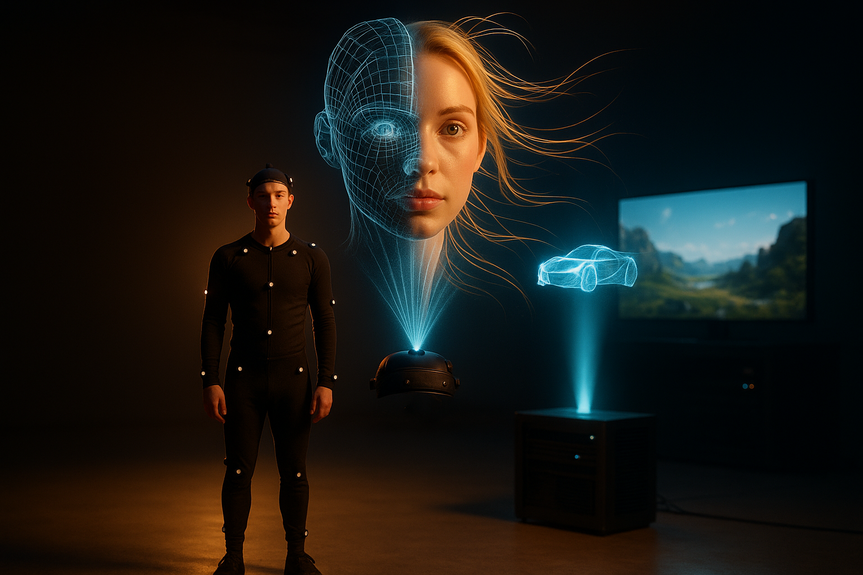
Studios are using a tool called Mockingbird to turn an actor’s performance into high-quality facial animation almost instantly. What once took hours now takes moments, and teams can try more takes, expressions, and fixes without long waits. Sony says this approach already shipped in recent projects, including Horizon Zero Dawn Remastered.Hair that moves like the real thing
Hair is hard to animate because it has so many strands. Teams now feed video of real hairstyles into an AI system that builds a 3D model with hundreds of strands. Artists still guide the look and motion, but the base work lands much faster and with more natural results.Smarter opponents and livelier worlds
Gran Turismo’s Sophy shows how AI can learn to race with skill and personality. Sony says its creatives also have prototypes where NPCs act with their own traits, making towns and teams feel alive. This does not replace writers or quest designers; it gives them new tools to stage believable behavior and reactive scenes.Sharper pictures on PS5 Pro
On PlayStation 5 Pro, the updated PSSR feature uses machine learning to boost image quality. It pushes toward 4K at high frame rates by predicting pixels with smarter upscaling. For players, that means clearer details and steadier performance. For developers, it can free GPU budget for physics, effects, and AI logic.Discovery and pipeline gains
Sony says AI helps production run smoother and also helps players find the right games. Better curation means more relevant picks and less noise, which supports long-term engagement. Why it matters:What AI will not do at PlayStation
Sony repeats that human creativity stays in charge. Writers, actors, designers, and artists set the tone and emotion. AI does the heavy lifting on repetitive tasks, surfaces useful options, and supports sharper visuals. The goal is to lift the floor on time-consuming work so teams can raise the ceiling on craft.What this means for future releases
Players should expect richer worlds, more reactive characters, and smoother performance as these tools spread through first-party studios. Expect faster patches and updates too, since the same systems cut build times and help teams find issues sooner. Put simply, how PlayStation studios use AI points to better games arriving more often, with fewer slowdowns between ideas and implementation. Sony’s approach shows a clear balance: keep people at the center, and let AI remove friction. As the tools mature, we will see more believable animation, sharper images, and AI-driven systems that serve the story rather than distract from it. That is the practical promise behind how PlayStation studios use AI.For more news: Click Here
FAQ
Q: What are some examples of how PlayStation studios use AI in development?
A: They use tools such as Mockingbird to turn performance capture into facial animation, AI systems that build 3D hair models from video, agents like Sophy for smarter opponents, and machine-learning upscaling on PS5 Pro. These tools reduce time spent on manual, high-effort tasks so teams can focus on story, level design, and gameplay.
Q: How does the Mockingbird tool speed up facial animation?
A: Mockingbird converts performance capture into high-quality facial animation almost instantly, cutting processes that used to take hours down to a fraction of a second. Teams at studios like Naughty Dog and San Diego Studio have adopted it, and Sony says the technology shipped in projects including Horizon Zero Dawn Remastered.
Q: How is AI used to animate hair in PlayStation games?
A: Teams feed video of real hairstyles into an AI system that outputs a 3D model with hundreds of strands, accelerating a previously labor-intensive task. Artists still guide the final look and motion, but the base modeling is completed much faster.
Q: In what ways does AI make NPCs and game worlds livelier?
A: Gran Turismo’s AI-powered racing agent Sophy demonstrates how AI can learn to race with skill and personality, and Sony says creatives have prototypes where NPCs act with their own traits to create dynamic worlds. These systems give writers and quest designers new tools to stage believable, reactive behavior without replacing them.
Q: What is the PSSR feature on PS5 Pro and how does it use AI?
A: The updated PSSR feature on PlayStation 5 Pro uses machine learning to enhance image quality by predicting pixels for smarter upscaling and to deliver 4K visuals at high frame rates. Sony says this can free GPU budget so developers can reallocate resources to physics, effects, and other systems.
Q: How does AI improve production pipelines and discovery for PlayStation titles?
A: Sony says AI streamlines production by automating repetitive tasks, enabling faster iteration and reduced build times that can speed up patches and updates. It also helps curation and discovery so games reach more relevant audiences.
Q: Will AI replace human creators at PlayStation?
A: Sony states human creativity remains at the centre and that AI is intended to augment teams rather than replace artists, performers, or designers. The vision, design, and emotional impact of games will continue to come from studio talent and performers.
Q: What should players expect from future PlayStation releases as AI tools spread through studios?
A: Players should expect richer worlds, more reactive characters, smoother performance, and faster patches as AI tools spread through first-party studios. Put simply, how PlayStation studios use AI points to better games arriving more often and with fewer slowdowns between ideas and implementation.
Contents