Crypto
26 Sep 2026
Read 10 min
Is Dogecoin a good investment Discover the truth *
Is Dogecoin a good investment, learn why it underperforms and how to protect your capital smartly.
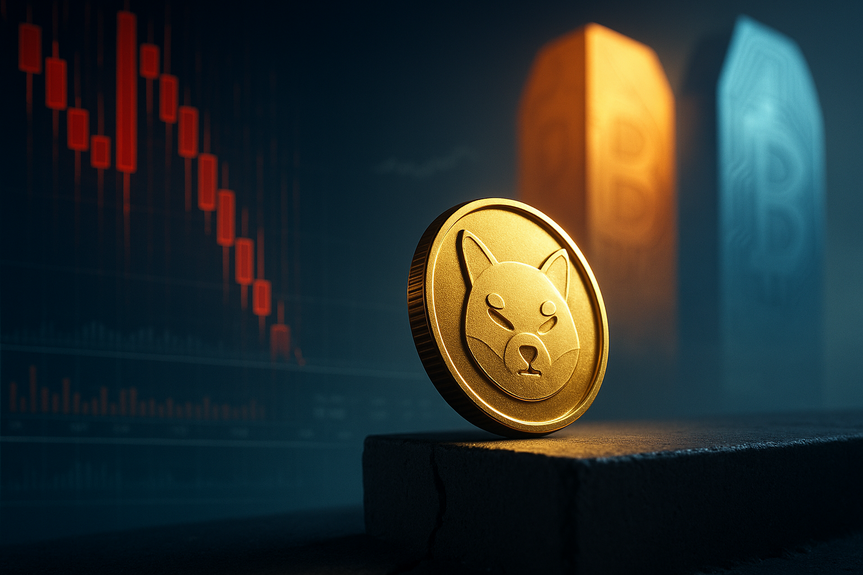
Is Dogecoin a good investment? For most people today, probably not. Its price still leans on hype, its supply keeps growing, and trading volume is thin compared to major coins. It can be fun money if you accept big swings, but long-term investors have stronger choices in Bitcoin, Ethereum, and Solana.
Dogecoin began as a joke in 2013. Two engineers forked Bitcoin, added a Shiba Inu mascot, and made a playful coin. The internet loved it. Elon Musk tweets helped send the price to the moon in 2021, then his Saturday Night Live joke called it a “hustle,” and the price sank. The story shows how much Dogecoin depends on attention rather than lasting fundamentals. That is why many investors ask, Is Dogecoin a good investment, and keep hearing mixed answers.
Libdogecoin: a toolkit that helps other apps add Dogecoin payments.
GigaWallet: backend tools for businesses that want to accept Dogecoin.
Lighter node options to make running the network easier.
Experiments with quantum-resistant transactions.
Community ideas for staking.
RadioDoge, which can send transactions over radio waves.
These projects are interesting. But they do not close the gap with the biggest networks:
Bitcoin has a fixed supply of 21 million coins and rising institutional adoption.
Ethereum hosts a deep ecosystem of decentralized finance, NFTs, and stablecoins.
Solana offers fast, low-cost transactions that attract consumer apps and developers.
Dogecoin, by contrast, has no cap on supply. About 5 billion new coins arrive each year. That steady inflation makes it hard for long-term holders to count on scarcity. It also does not have the same level of developer activity, enterprise interest, or on-chain utility that you see on Ethereum and Solana.
Size it small (for example, 1%–2% of your portfolio or less).
Expect high volatility and the risk of large drawdowns.
Use limit orders to control entry and exit in thin markets.
Avoid leverage and short-term trading unless you fully accept the risks.
Mind fees, spreads, and taxes, which reduce net returns.
This approach treats Dogecoin like a lottery ticket rather than a savings account. You can enjoy the ride without risking money you need for bills, emergencies, or long-term goals.
Is Dogecoin a good investment? Start with the numbers
Dogecoin trades all day, every day. But one easy way to view it like a stock is to look at the REX-Osprey DOGE ETF (ticker: DOJE). The fund turned one year old on Sept. 18 and has had a rough run.Volatility cuts both ways
As of Sept. 25, DOJE fell 57.6% over the last 12 months and sits 64.5% below its 52-week high. Yes, it bounced lately: up 28.2% in the last quarter, 14.8% in the last month, and 10.8% in the last week. Even after that, it would need to nearly triple to reach last year’s peak. The fund’s beta is 1.78, which means big market moves hit it harder in both directions. Fees also matter. DOJE charges a 1.5% annual expense ratio, which drags returns over time.A small ETF with thin trading
Liquidity tells you how easily you can get in or out at a fair price. DOJE’s assets under management are about $13.1 million, which is tiny by Wall Street standards. Its average daily trading value is roughly $247,000. By comparison, Apple stock trades around $744,000 per second. And the leading Bitcoin ETF trades about $2.2 billion per day. Thin trading can mean wider spreads and more slippage when you buy or sell. There are other Dogecoin ETFs, even a 2x leveraged product for thrill-seekers. But the audience is small, and leverage can magnify losses fast. None of this screams “stable long-term vehicle.”Utility and development: effort, but still behind
Dogecoin is not dead code. Community developers and the Dogecoin Foundation are doing real work:Hype vs. fundamentals
Dogecoin’s biggest price moves often track online attention. Search interest has faded from past peaks. When a big news event or influencer pushes the coin into the spotlight, searches jump and the price often follows. Then interest cools, and so does the price. This boom-and-bust pattern is part of Dogecoin’s identity, but it also shows why it struggles as a long-term core holding.Why attention matters for Dogecoin
A coin driven by memes needs constant buzz. When the crowd moves on, liquidity thins, spreads widen, and sellers can outnumber buyers. That does not mean Dogecoin cannot rally again. It can. But those rallies may not last without stronger fundamentals, broader utility, and clear reasons for big investors to stay in.Who might still buy Dogecoin?
If you are still asking, Is Dogecoin a good investment, the honest answer is “only as fun money.” Some people enjoy the culture and use it as a tip jar or a small speculative bet. If you go that route, set rules:Better alternatives for long-term crypto exposure
You do not need to choose only one coin. But if your goal is long-term growth, these networks offer clearer cases:Bitcoin: scarcity and institutions
Bitcoin is simple and scarce. Its fixed supply and increasing institutional adoption make it a strong store-of-value candidate. The market is deep, the ETFs are large, and liquidity is strong.Ethereum: utility and network effects
Ethereum powers a wide range of apps and assets. Developers keep building, users keep transacting, and stablecoins rely on it. Those network effects support long-term demand.Solana: speed and consumer apps
Solana focuses on fast, low-cost transactions. That design attracts consumer apps like payments, games, and social tools. Strong developer activity can lead to new use cases and users. For most investors, a mix of Bitcoin and Ethereum, with a smaller allocation to Solana, covers different strengths: store of value, programmable money, and high-throughput consumer apps. Dollar-cost averaging can lower timing risk, and a long holding period can smooth out swings.Bottom line: Is Dogecoin a good investment today?
Dogecoin is fun, and the community is lively. But when you weigh scarcity, utility, developer energy, institutional interest, and liquidity, it trails the top networks. That does not make it worthless; it makes it speculative. If you want to join the meme for a small stake, go ahead—just use money you can afford to lose. For building wealth, the better path is likely Bitcoin, Ethereum, and Solana. So, Is Dogecoin a good investment right now? For most long-term investors, no—at least not beyond a tiny, high-risk slice of a diversified portfolio.(Source: https://www.fool.com/investing/2026/09/25/is-dogecoin-the-best-crypto-you-can-buy-right-now/)
For more news: Click Here
FAQ
Q: Is Dogecoin a good investment?
A: For most people today, probably not. Its price leans on hype, its supply keeps growing, and trading volume is thin compared with major coins.
Q: Why has Dogecoin’s price historically shown big swings?
A: The article notes Dogecoin’s large moves have been driven by public attention and high-profile mentions, with Elon Musk’s tweets helping a 2021 moonshot and his Saturday Night Live “hustle” joke triggering a crash. That boom-and-bust pattern reflects hype more than lasting fundamentals.
Q: What do the REX-Osprey DOGE ETF (DOJE) figures reveal about Dogecoin exposure?
A: As of Sept. 25, DOJE was down 57.6% over the past 12 months and sat 64.5% below its 52-week high, and the fund charges a 1.5% annual expense ratio that can drag returns. Its beta of 1.78 and limited assets under management suggest it amplifies market moves and offers thin liquidity.
Q: How liquid is Dogecoin compared with major assets?
A: DOJE averages about $247,000 in daily trading value and has roughly $13.1 million in assets under management, which the article calls “lunch money” by Wall Street standards. By comparison, the leading Bitcoin ETF moves about $2.2 billion per day and Apple trades roughly $744,000 every second, so Dogecoin-related trading is very small.
Q: Is there active development or practical infrastructure for Dogecoin?
A: The article says Dogecoin development exists, citing projects such as Libdogecoin, GigaWallet, lighter node options, experimental quantum-resistant transactions, staking proposals, and RadioDoge. However, those efforts still leave it behind larger networks in utility and developer activity.
Q: How does Dogecoin’s supply policy impact its investment case?
A: Dogecoin has no capped supply and adds about 5 billion new coins each year, producing steady inflation rather than scarcity. That ongoing issuance makes it harder for long-term holders to rely on scarcity-driven appreciation.
Q: If someone wants to buy Dogecoin as a small speculative stake, how should they approach it?
A: The article recommends treating Dogecoin as “fun money” and keeping any position very small — for example, 1%–2% of a portfolio or less — while accepting high volatility and the risk of large drawdowns. It also advises using limit orders, avoiding leverage, and being mindful of fees, spreads, and taxes.
Q: What are better alternatives for long-term crypto exposure?
A: The article suggests Bitcoin for scarcity and institutional adoption, Ethereum for broad utility and developer activity, and Solana for fast, low-cost transactions that attract consumer apps. A mix of Bitcoin and Ethereum with a smaller allocation to Solana and dollar-cost averaging can help cover different strengths and lower timing risk.
* The information provided on this website is based solely on my personal experience, research and technical knowledge. This content should not be construed as investment advice or a recommendation. Any investment decision must be made on the basis of your own independent judgement.
Contents