AI News
23 Jul 2026
Read 9 min
Netflix using generative AI 2026: How it speeds production
Netflix using generative AI 2026 accelerates production, delivering higher quality scenes faster now.
Netflix using generative AI 2026 is about speed and scale. Netflix says roughly 300 titles this year use AI for pre-visualization, visual effects, and post-production, while large language models power better search and discovery. The promise is faster timelines and lower costs, but questions remain about jobs, quality, and the energy these systems use.
Netflix told investors that AI now touches many stages of production. It shows up from early concept art to final color and sound. The company called out two projects—The American Experiment and Brasil 70: A Saga do Tri—as examples where AI expanded crowds, battle scenes, and big establishing shots that set the world.
What Netflix using generative AI 2026 looks like in practice
Across the pipeline
- Concept and pre-visualization: AI helps teams sketch ideas, block out scenes, and test camera moves before shooting. This reduces reshoots.
- On set support: Tools assist with quick background fills and live previews so crews can see how a shot may look with full effects.
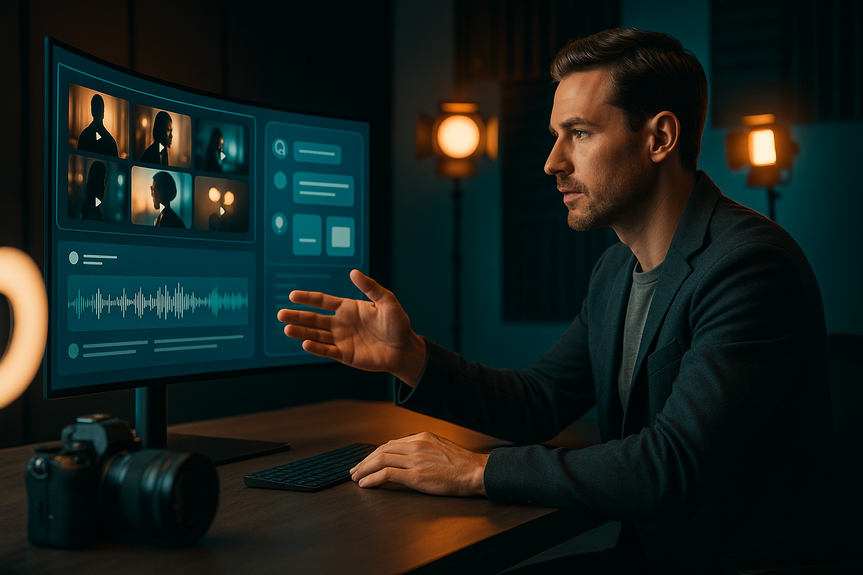
- Post-production: Models speed up rotoscoping, matte painting, crowd replication, upscaling, noise reduction, color matching, and audio cleanup.
- VFX scope: AI can stretch the budget to include shots that might otherwise be cut for time or cost.
Named examples
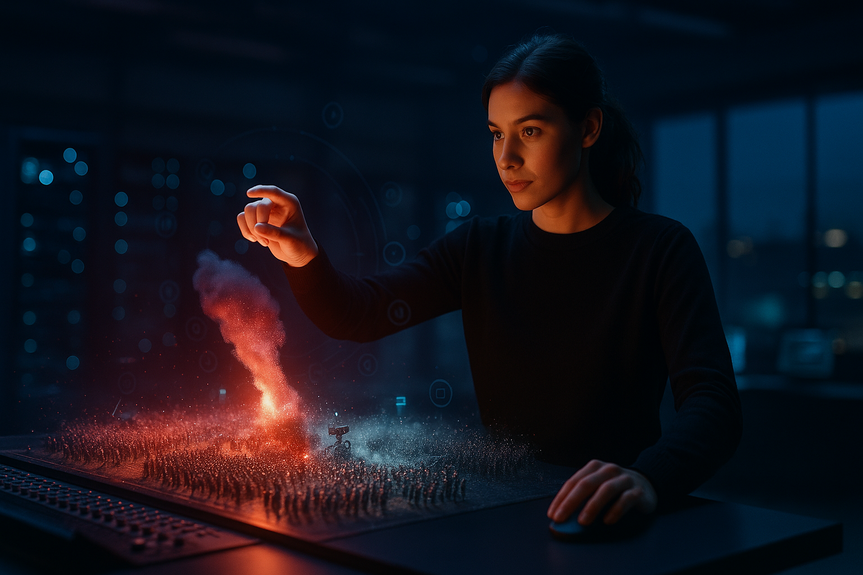
- The American Experiment: AI enhanced crowds and historical battle moments, helping sell scale.
- Brasil 70: A Saga do Tri: AI supported worldbuilding and sweeping establishing shots.
Why Netflix is racing ahead with AI
- Speed to screen: Faster pre-viz and post mean more titles can ship each quarter.
- Cost control: AI reduces manual frame-by-frame tasks and allows smaller teams to attempt larger scenes.
- Content scale: AI-assisted shots keep ambitious moments in the cut rather than on the chopping block.
- Discovery gains: Inside the app, LLMs aim to improve search, understand viewer preferences, and surface better title matches.
Inside the app experience
Netflix says its recommendation engine and search will get smarter with LLMs. In theory, this helps you find the right show faster, even with vague or typo-filled queries. It also may group similar themes or moods more cleanly, making long browsing sessions shorter.The trade-offs: jobs, artistry, and the environment
What creators may face
- Shifting roles: Entry-level compositing, cleanup, or storyboard jobs may shrink or change as AI handles repetitive tasks.
- New skills: Artists who guide, review, and fix AI outputs could be in demand, but training and credit standards need clarity.
- Style risks: Over-reliance on default AI looks could make scenes feel samey if teams do not push for distinct art direction.
What viewers may notice
- More big shots: Expect larger crowds, grander vistas, and smoother background action on tighter budgets.
- Faster turnaround: Season renewals and doc projects might land sooner as post-production compresses.
- Discovery tweaks: Recommendations and search may feel more accurate, though they will not be perfect.
Environmental concerns
GenAI needs powerful data centers. Those draw large amounts of electricity and water for cooling. If Netflix scales AI across hundreds of titles and app features, the footprint grows. Efficiency gains and cleaner energy will matter if the industry wants speed without higher environmental costs.How to keep the gains without losing the plot
Transparency and credit
- Clear labels: Viewers benefit when productions disclose where AI helped, especially in documentary and news-style work.
- Fair credit: Recognize the people who guide and correct AI, not just the tools.
Quality control
- Human review: Keep human sign-off at each stage to avoid artifacts and uncanny faces or crowds.
- Art direction first: Use AI to serve a vision, not to replace it.
What to watch next if you are curious
On-screen
- Look for big crowd scenes and wide world shots in recent Netflix originals. These are prime spots for AI support.
- Compare early trailers to final releases. Notice cleaner edges, fuller backgrounds, and steadier motion.
In the app
- Test natural language searches like “funny mystery with short episodes” to see if results improve over time.
- Rate what you watch. This helps any algorithm, AI or not, learn your taste.
For more news: Click Here
FAQ
Q: What does Netflix using generative AI 2026 mean in practice?
A: It refers to Netflix integrating generative AI across production, from concept and pre-visualization to on-set support and post-production, and using LLMs inside the app for search and discovery. Netflix said roughly 300 titles in 2026 used AI, with most applications concentrated in post-production.
Q: How many Netflix shows and movies used AI in 2026 so far?
A: Netflix reported that AI tools were used in roughly 300 shows and movies in 2026 so far. The company said genAI was mostly applied in post-production across those titles.
Q: Which production tasks are most commonly handled by AI on Netflix projects?
A: According to the article, AI assists with concept art and pre-visualization, quick background fills and live previews on set, and post-production tasks like rotoscoping, matte painting, crowd replication, upscaling, noise reduction, color matching, and audio cleanup. These uses are meant to reduce reshoots and speed editing timelines.
Q: Did Netflix give examples of shows that used AI, and what did AI do in them?
A: Netflix named The American Experiment and Brasil 70: A Saga do Tri as examples where AI enhanced crowds, historical battle sequences, and sweeping establishing shots to support worldbuilding. The company said AI allowed productions to include key shots that might otherwise have been left out for cost or time reasons.
Q: How will Netflix’s use of LLMs change search and recommendations for viewers?
A: Netflix says it will use large language models to improve title discovery, better understand member preferences, and make search more accurate for vague or typo-filled queries. In theory this should surface better matches and shorten long browsing sessions.
Q: What are the potential impacts of Netflix’s AI adoption on jobs and creative roles?
A: The article warns that entry-level compositing, cleanup, and storyboard jobs may shrink or change as AI handles repetitive tasks, while artists who guide and fix AI outputs may be in higher demand. It also notes a risk that over-reliance on default AI looks could make scenes feel samey without strong art direction.
Q: Are there environmental concerns linked to Netflix scaling generative AI across many titles?
A: Yes, genAI depends on powerful data centers that consume large amounts of electricity and water for cooling, so scaling AI across hundreds of titles can increase environmental footprint. The article says efficiency improvements and cleaner energy will matter if the industry wants speed without higher environmental costs.
Q: How can viewers and creators maintain quality and transparency as Netflix uses more AI?
A: The piece recommends clear labeling of where AI was used and fair credit for people who guide and correct AI, along with human review and art-direction-first workflows to avoid artifacts and generic looks. Viewers can also compare early trailers to final releases and look for fuller crowds and cleaner backgrounds to spot AI-driven changes.
Contents