Crypto
05 Sep 2026
Read 13 min
How to avoid pig butchering scams and protect your savings *
How to avoid pig butchering scams and secure your savings with clear steps to spot and stop fraud now
Learn how to avoid pig butchering scams with clear red flags, money-safety steps, and fast actions if targeted. These romance-investment schemes groom victims, then drain savings through fake crypto platforms and even in-person cash pickups. Use this guide to spot the playbook, protect your accounts, and report quickly.
A single wrong-number text can snowball into months of daily chats, promises of love or easy profit, and pressure to “invest” more. Victims in New York and across the U.S. have lost life savings, sometimes handing cash to couriers on the street after scammers block withdrawals online. This guide breaks down the tactics, shows practical defenses, and explains what to do if money is already gone.
They start with a friendly “wrong-number” message or a social app DM. They switch you to encrypted chats.
They build trust. They share photos, a sad backstory, and daily support. They suggest crypto or forex trading “on the side.”
They show fake profits. They give you access to a polished website or app that displays “gains” and smooth “deposits.”
They block withdrawals. When you try to take money out, they invent “fees,” “taxes,” or “verification” steps. They demand more cash.
They use mules and couriers. Some victims are told to give cash to an “acceptor” who meets them in person and vanishes.
Trust and routine. Daily chats feel safe and real.
Loneliness and hope. Attention and quick “profits” lower defenses.
Language gaps. Directions and reports are in English, which slows action.
Shame. Victims fear blame and wait too long to tell someone.
In 2025, the FBI’s Internet Crime Complaint Center reported more than $7.2 billion lost to crypto investment scams, with New York losses topping $1.2 billion. Investigators also see more in-person cash pickups in immigrant neighborhoods like Flushing, Queens, and Monterey Park, California. The scale is large, and the tactics keep evolving.
Do not trust wrong-number texts. If a stranger greets you by name, ask how they know you. Then stop replying.
Be careful when someone pushes you to move to WhatsApp, Telegram, or WeChat right away.
Watch for quick intimacy. Daily check-ins, pet names, and talk of fate in the first weeks are red flags.
Insist on a live video call. Refuse if they dodge, keep the camera off, or send only pre-recorded clips.
Note time zones and stories. Shifting jobs, unclear locations, and perfect backstories signal risk.
Knowing these traps is how to avoid pig butchering scams early.
Never hand cash to a stranger. No legit investment uses street pickups, secret codes, or “acceptors.”
Use only well-known, regulated U.S. exchanges. Check the URL, app publisher, and reviews from real sources.
Test withdrawals first. Try withdrawing a small amount before you add more. If they block it, stop.
Refuse to pay “taxes” or “fees” to unlock your funds. Governments do not collect taxes inside trading apps.
Verify claims outside the chat. If someone brags about their “broker,” search for complaints, lawsuit records, and warnings from state regulators.
Slow every big move. Tell a trusted friend or family member and wait 24 hours before sending money.
Separate savings from spending. Keep your emergency fund at a different bank with alerts on.
These habits show you how to avoid pig butchering scams without guessing.
Do not install remote-access apps at someone’s request. Scammers use them to move your money.
Turn on two-factor authentication with an authenticator app, not SMS, for email, banks, and exchanges.
Use unique passwords stored in a password manager.
Set bank and card alerts for every transfer, wire, or crypto purchase.
Keep your phone and computer updated. Updates close security holes.
Use bilingual help. Community groups and ethnic media often publish scam alerts in your language.
Practice a “pause rule.” If someone asks for money, pause and call a trusted person before acting.
Know you can report. You can file a report with the FBI’s Internet Crime Complaint Center even if you are undocumented. Your report helps stop the network.
Save every message and receipt. A helper can translate and submit them with your complaint.
One smart path for how to avoid pig butchering scams is to build a small circle that you ask before investing.
Stop all contact. Block the scammer on every app.
Do not send “unlock fees,” “taxes,” or “security deposits.” These are traps.
Call your bank and card issuer. Ask for a chargeback or wire recall if possible. Tell them it is fraud.
If you used an exchange, open a support ticket now. Give wallet addresses, transaction IDs (hashes), dates, and screenshots. Ask for an urgent freeze if funds reached the exchange.
File a report at the FBI’s Internet Crime Complaint Center (IC3). Include all details, images, and any cash handoff info (locations, dates, courier descriptions, vehicle plates if known).
Report the account or group on WhatsApp, Telegram, WeChat, or the dating/social app you used.
Tell your local police, especially if there were in-person cash pickups. Provide times and meeting spots.
Take screenshots of chats, app dashboards, wallet addresses, and payment receipts.
Export chat histories if the platform allows it.
Write a timeline while it is fresh: who contacted you, when, what they asked, and how much you sent.
Never collect, hold, or move money for someone you met online.
Refuse any job that pays you to receive cash, gift cards, or crypto and pass it on.
If you already agreed, stop now and seek legal advice. Moving money can be a crime.
Tell someone you trust. Shame is common, but silence helps scammers.
Reach out to community groups and support hotlines. Many offer free, confidential help.
Set a recovery plan: block, report, secure accounts, and rebuild savings over time.
Wrong-number text becomes daily chat and quick intimacy.
They push you to encrypted apps and avoid real video.
You see “profits” in an app you cannot verify.
They ask for cash handoffs or “acceptors.”
They block withdrawals and demand fees or taxes.
They rush you or shame you for asking questions.
The earlier you recognize these signs, the more likely you can keep your money safe.
Staying safe is not about knowing everything about crypto. It is about simple steps you repeat every time: pause, verify, test withdrawals, never hand cash to strangers, and ask a trusted person to double-check before you send money. Share this guide with friends and family so they also learn how to avoid pig butchering scams. If you act early and report fast, you raise your odds of limiting losses and help investigators protect others.
What This Scam Is and Why It Works
The playbook scammers use
Why smart people still get caught
How to avoid pig butchering scams
Spot first-contact tricks fast
Protect your money before you invest
Lock down your devices and accounts
Extra steps for immigrants and limited-English speakers
If You Suspect a Scam or Already Sent Money
Act within hours if you can
Preserve evidence
Do not become a money mule
Care for your mental health
Why This Matters Now
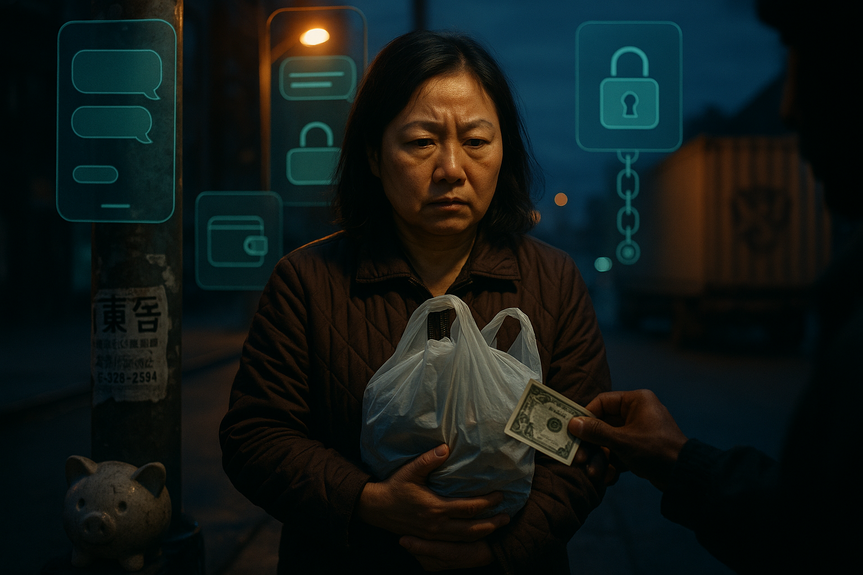
Scammers do not stop at screens. In New York and other cities, couriers now meet victims in person to take cash, sometimes confirmed with secret codes on dollar bills. U.S. authorities report billions in losses tied to crypto investment frauds. Investigations have linked many wallets to large overseas networks and payment services used to launder stolen funds. This mix of romance, fake trading apps, and real-world pickups makes the crimes harder to trace and faster to repeat. Awareness, quick action, and community support are the best defense.Key Red Flags You Can Memorize
(Source: https://documentedny.com/2026/09/04/crypto-scams-pig-butchering-fraud-chinese-immigrants-nyc/)
For more news: Click Here
FAQ
Q: What is a pig butchering scam?
A: Pig butchering scams are long-running confidence schemes that begin with a friendly wrong-number message or social app DM, where fraudsters cultivate trust over weeks or months before pushing victims into fake cryptocurrency or forex investments. Scammers show fabricated profits, block withdrawals, demand fees or cash handoffs, and sometimes use couriers to collect cash in person.
Q: What early red flags should I watch for?
A: Watch for a wrong-number text that becomes daily chat, pressure to move to WhatsApp, Telegram or WeChat, quick intimacy or pet names, and a refusal to do live video calls. Also be wary of polished apps or websites showing unverifiable profits, requests for cash handoffs or “acceptors,” and sudden demands for fees to unlock withdrawals.
Q: How can I protect my money before investing?
A: To learn how to avoid pig butchering scams, use only well-known, regulated U.S. exchanges, check the URL and app publisher, read real reviews, and test withdrawals with a small amount before adding more. Never hand cash to a stranger, refuse to pay “taxes” or “unlock” fees, and pause 24 hours to consult a trusted person before sending money.
Q: What should I do immediately if I suspect I’m being scammed or already sent money?
A: Stop all contact and block the scammer, then call your bank or card issuer right away to ask for a chargeback or wire recall and do not send more money. If you used an exchange, open a support ticket with wallet addresses, transaction IDs and screenshots and ask for an urgent freeze, and file a report with the FBI’s Internet Crime Complaint Center and your local police while preserving all evidence.
Q: How do scammers collect cash in person and why is that dangerous?
A: Scammers sometimes send couriers or “acceptors” to meet victims in person, using secret signals like matching serial numbers on dollar bills and arranging pickups in immigrant neighborhoods. Those in-person handoffs are harder to trace, feed laundering networks and often involve money mules that move funds overseas.
Q: Are immigrants and limited-English speakers at higher risk, and what barriers do they face when reporting?
A: Experts and reporting indicate many victims are from Chinese immigrant communities, and language gaps, unfamiliarity with online fraud, shame, and fear of interacting with law enforcement can delay or prevent reporting. Community groups, ethnic media and bilingual helpers can translate documents, provide support and connect victims with the FBI or local police to file complaints.
Q: How can I secure my devices and accounts to reduce the risk of being scammed?
A: Do not install remote-access apps at someone’s request and turn on two-factor authentication using an authenticator app rather than SMS for email, banks and exchanges. Use unique passwords stored in a password manager, set bank and card alerts for transfers or crypto purchases, and keep your phone and computer updated.
Q: What evidence should I save to help investigators and what should I avoid doing afterward?
A: Save screenshots, exported chat histories, wallet addresses, transaction IDs (hashes), payment receipts and a written timeline of who contacted you, when and how much you sent. Do not collect, hold or move money for someone you met online, because becoming a money mule can be a crime.
* The information provided on this website is based solely on my personal experience, research and technical knowledge. This content should not be construed as investment advice or a recommendation. Any investment decision must be made on the basis of your own independent judgement.
Contents